Products

Products

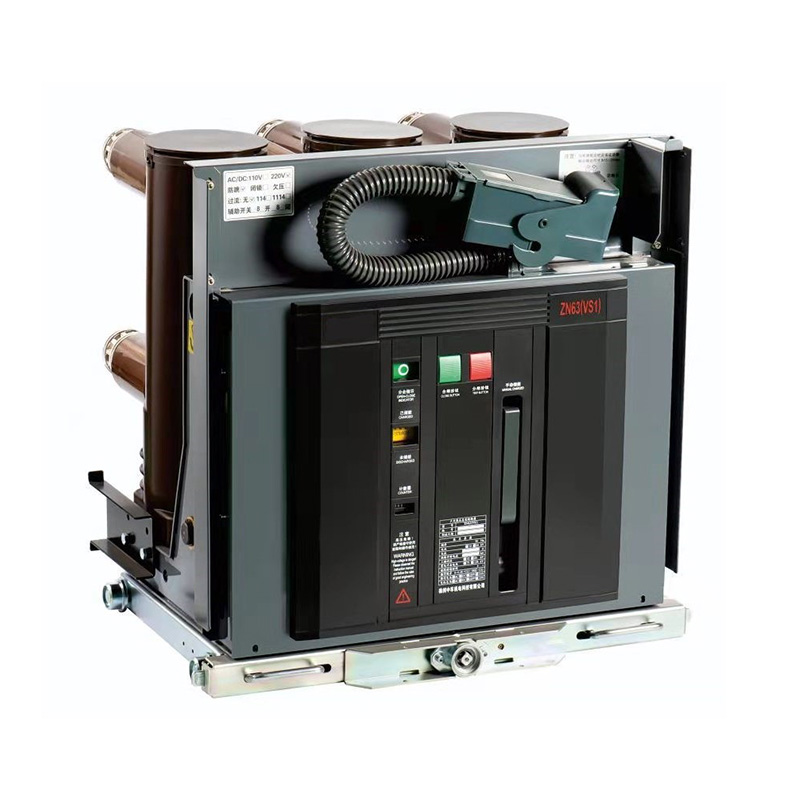
Vacuum Circuit Breaker 1250a
  • Vacuum Circuit Breaker 1250aVacuum Circuit Breaker 1250a
  • Vacuum Circuit Breaker 1250aVacuum Circuit Breaker 1250a
  • Vacuum Circuit Breaker 1250aVacuum Circuit Breaker 1250a

Vacuum Circuit Breaker 1250a

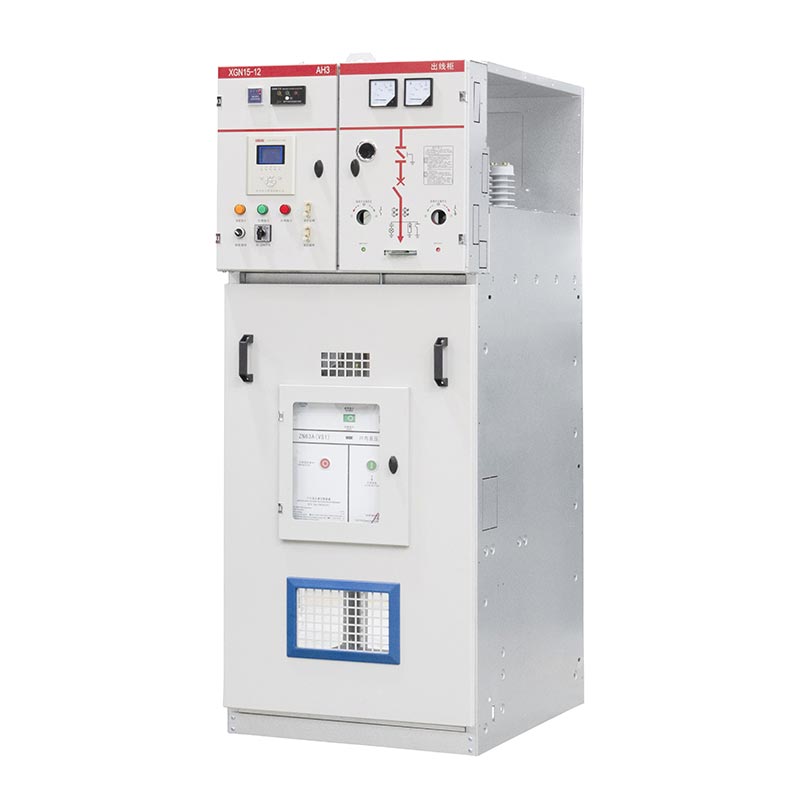
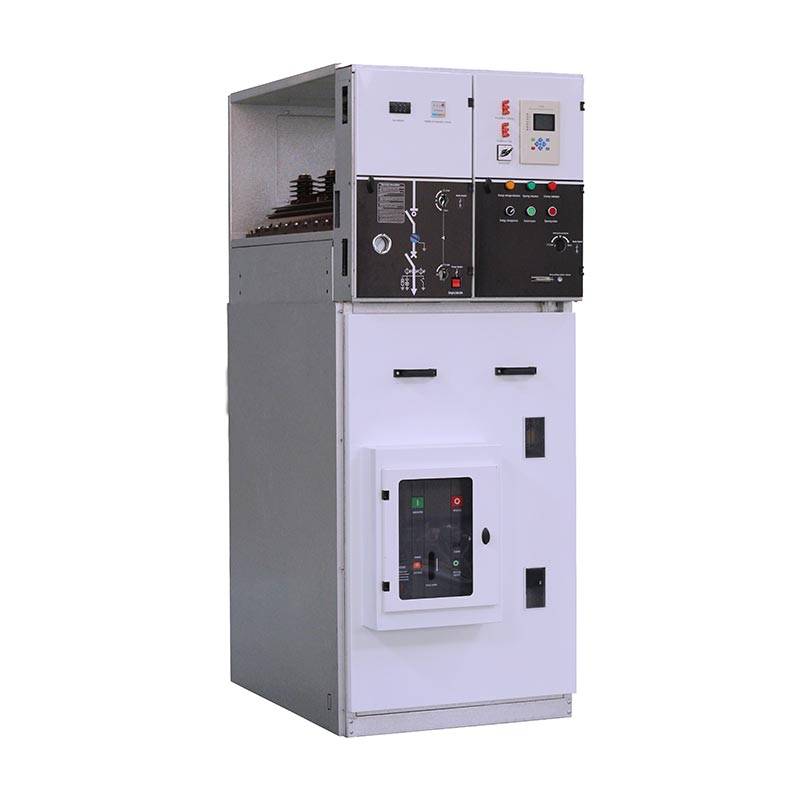
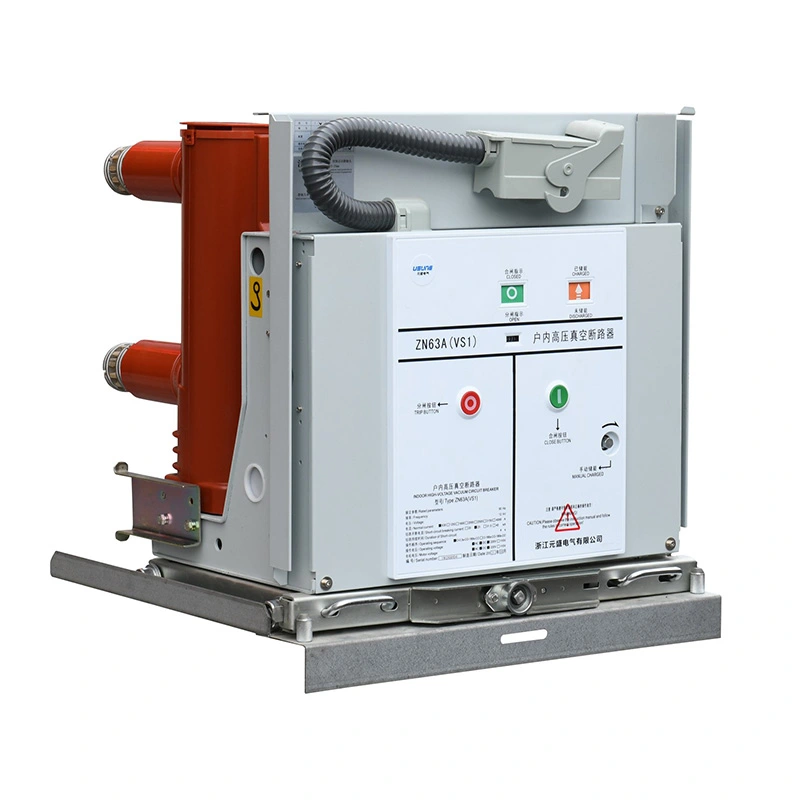
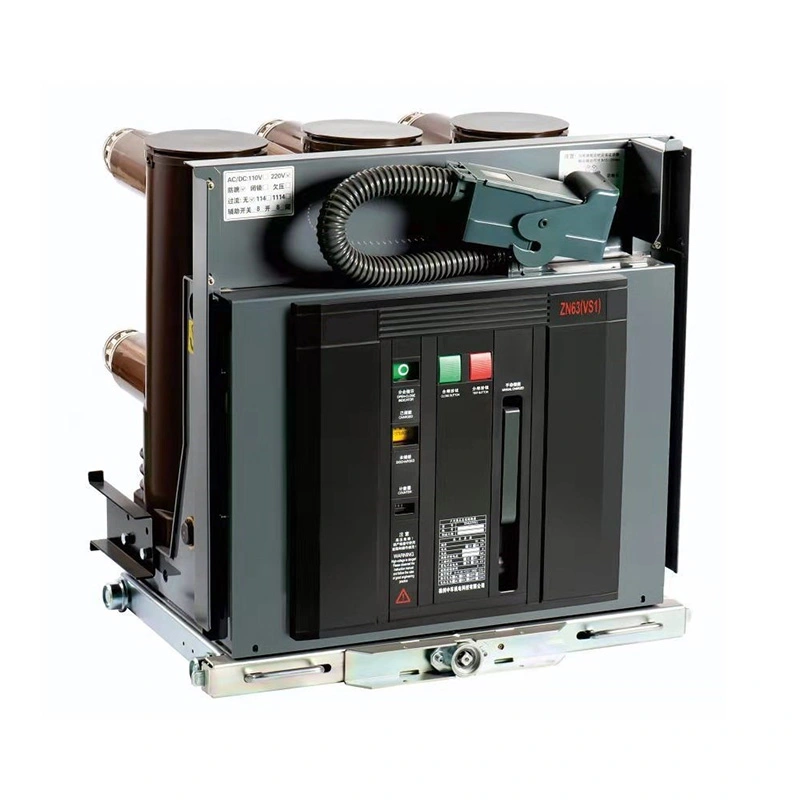
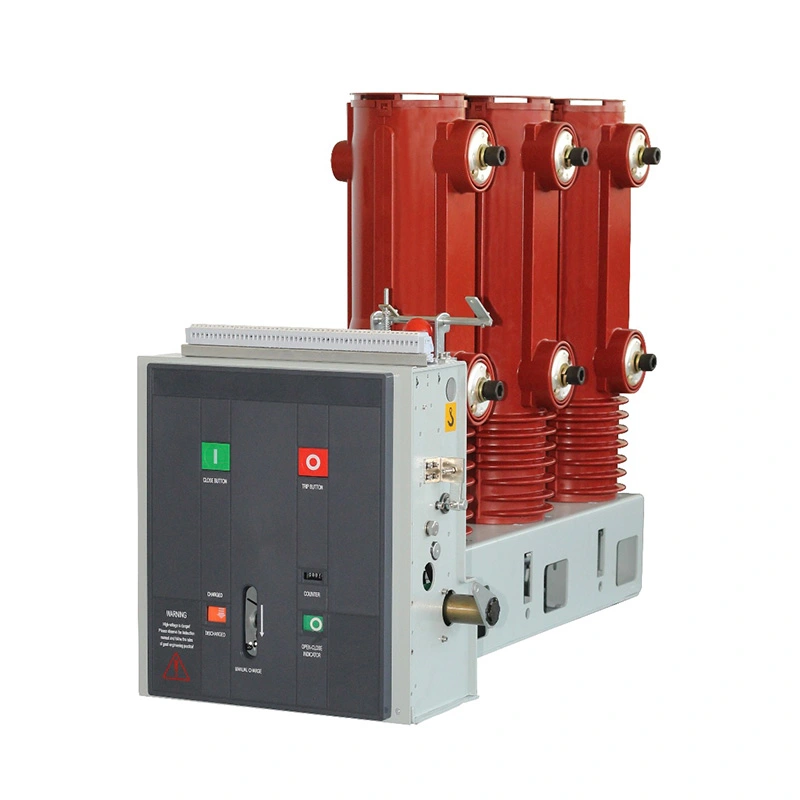
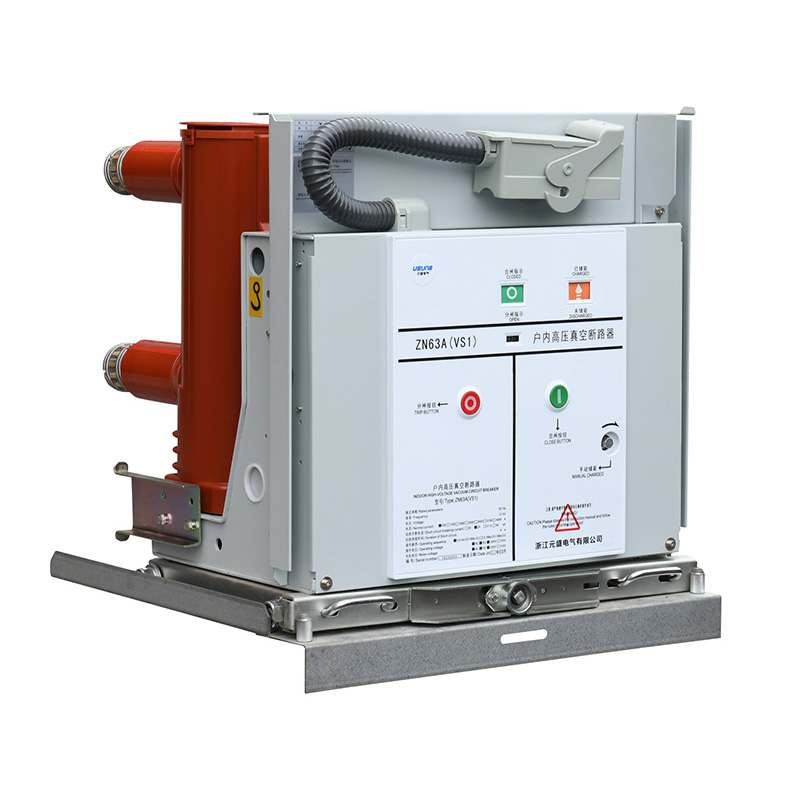
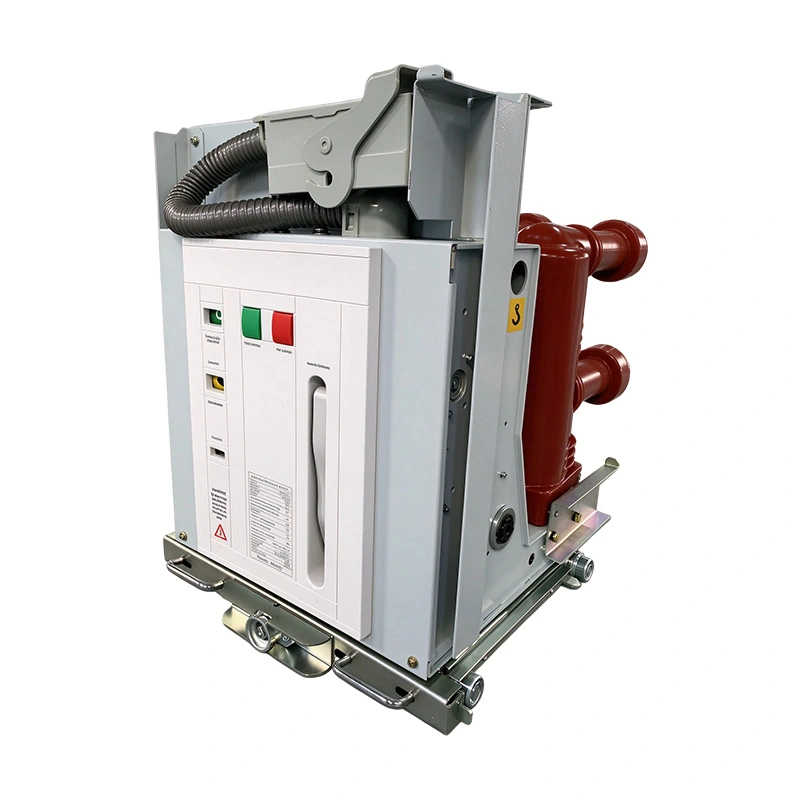
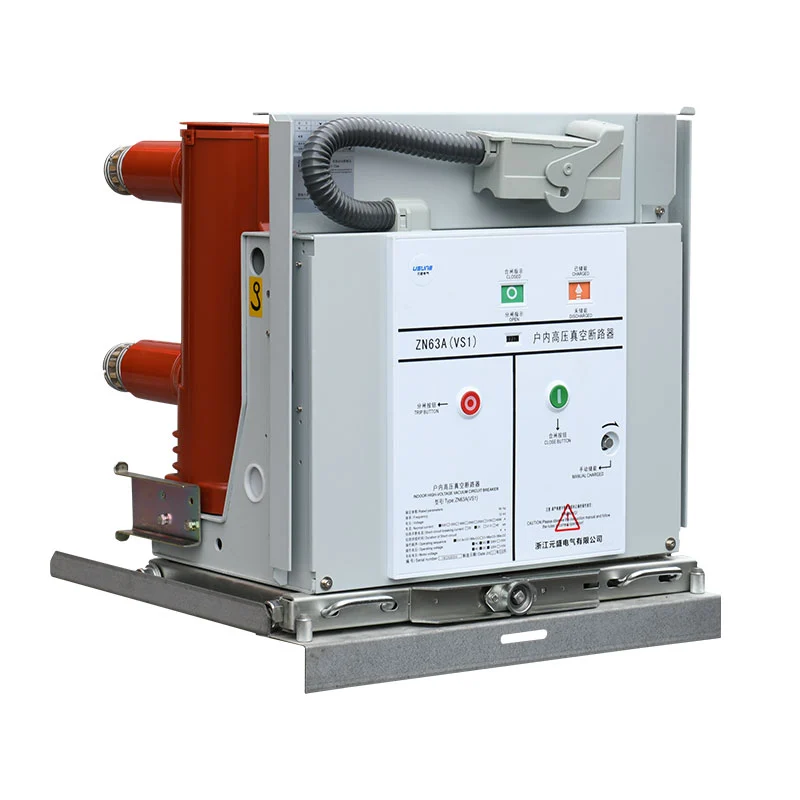
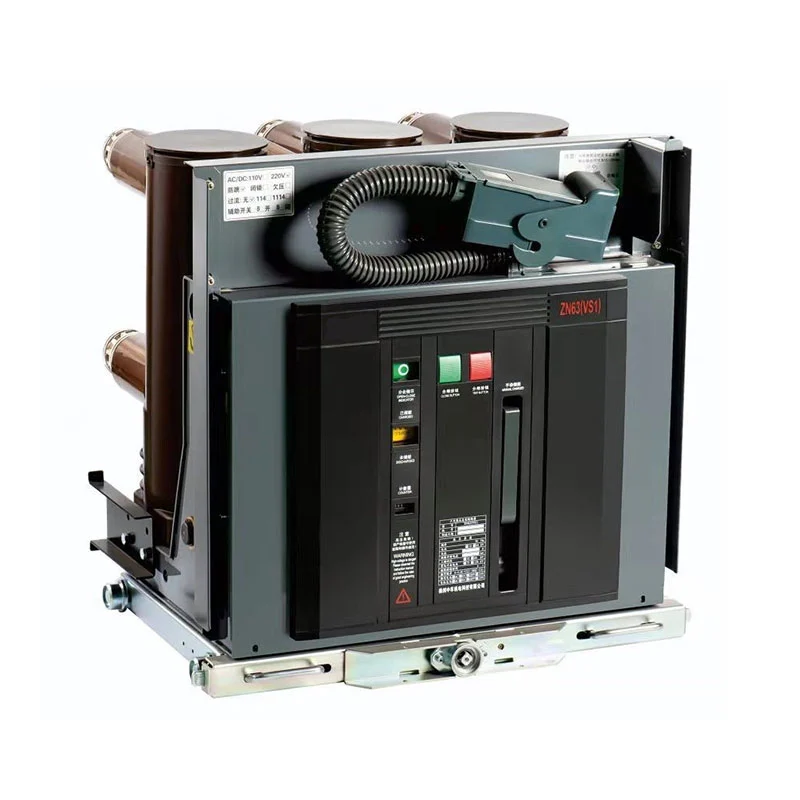
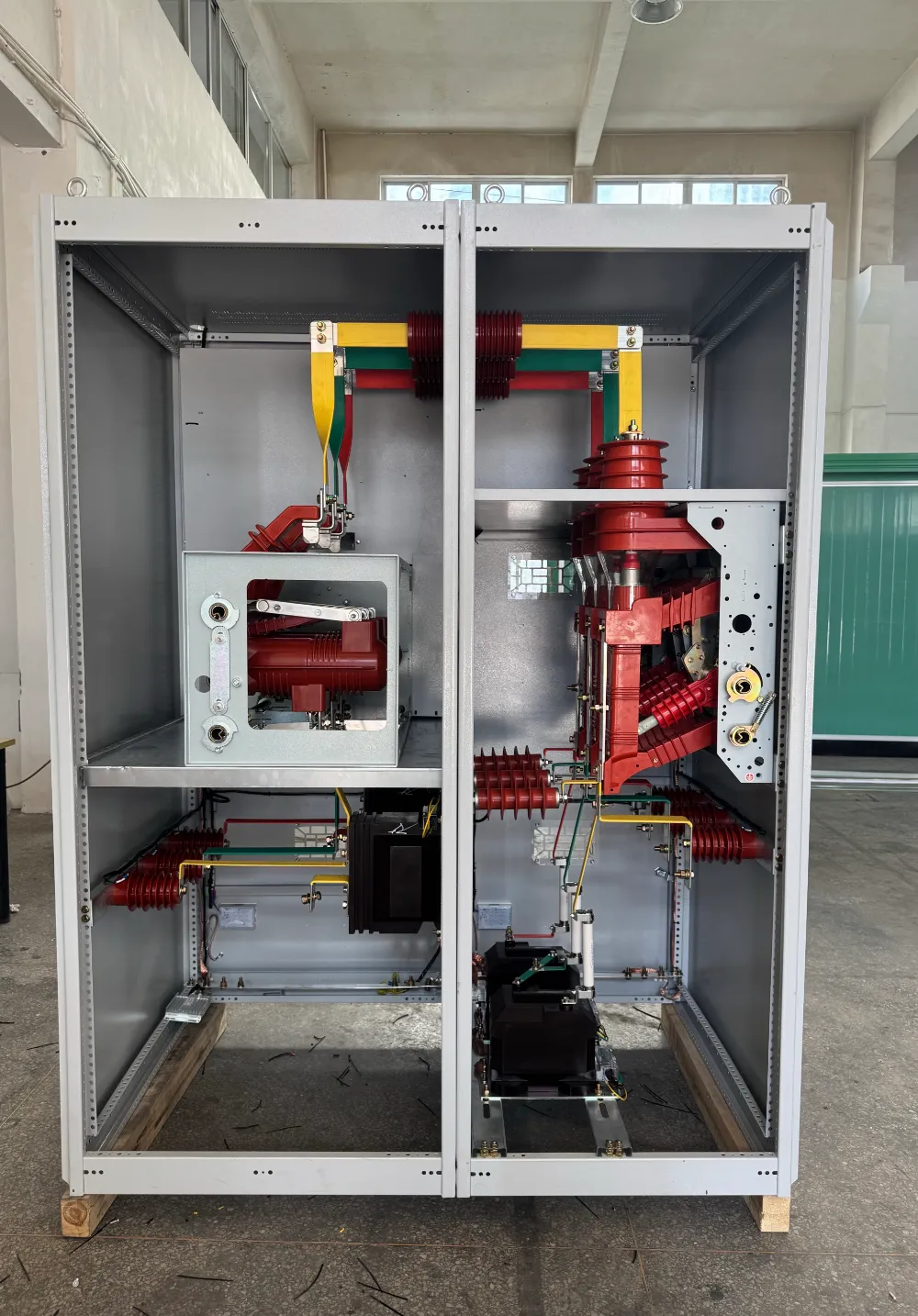
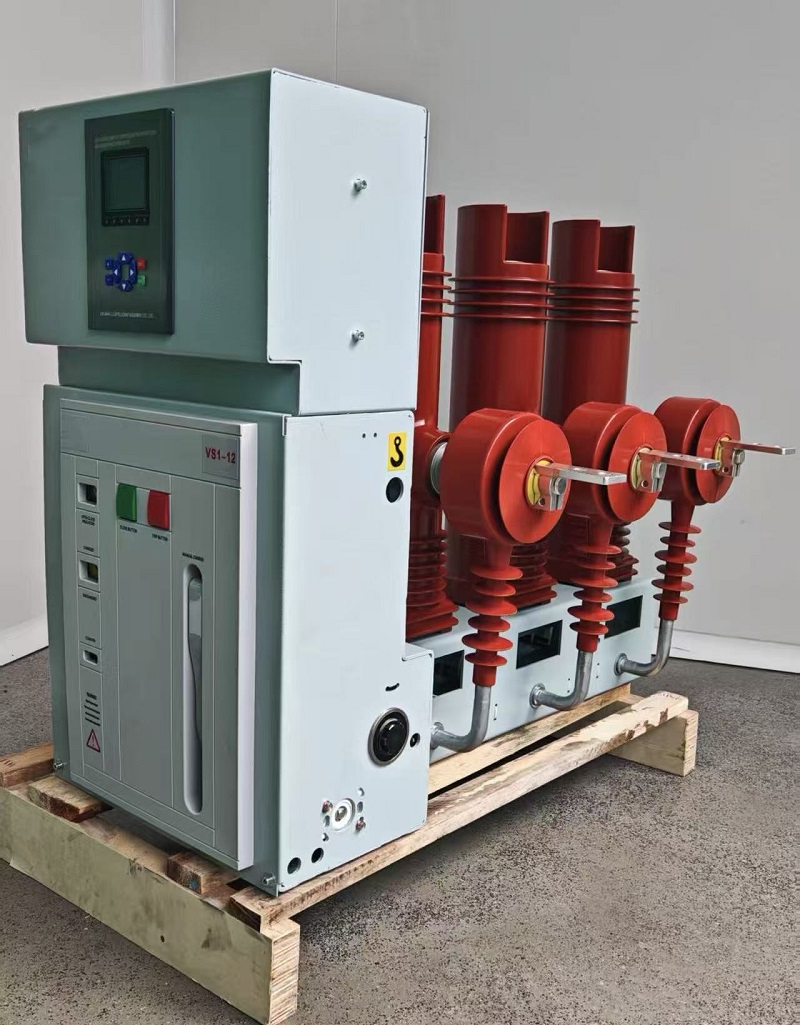
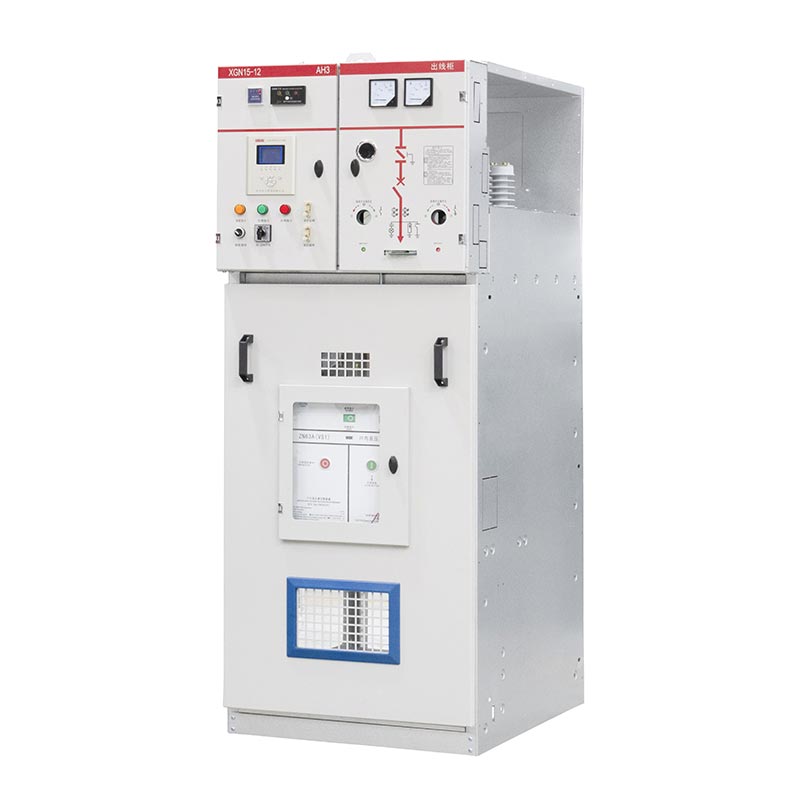
The Usune Vacuum Circuit Breaker 1250a carries 1250A continuously at 12kV, which places it on the incomer, the bus-section or the transformer main rather than on an outgoing feeder. Those positions demand more than current capacity: the current path must stay cool at full load, the frame must hold together under a close-in fault, and the panel around it has to be sized to match. Fixed and withdrawable versions, 20–40kA breaking, IEC and GB standards, CE marked.

    Why 1250A is a different duty, not a bigger 630A


    A feeder breaker and an incomer breaker come out of the same family, but they are asked to do different work. The feeder sees a diversified, relatively stable load and clears faults that start downstream of it. The incomer sees the arithmetic sum of every feeder on the board, runs close to its rating for long stretches, carries the busbar through load transfer, and is the device the protection scheme relies on to separate a faulted section from a healthy one.

    That difference is why specifying a Vacuum Circuit Breaker 1250a is not simply "one size up". Three things change at once: the current path has to be engineered for temperature rise rather than just continuity, the frame has to survive the electrodynamic forces of a close-in fault, and everything around it — busbar, current transformers, cable chamber, panel width — has to be resized with it. Get one of those wrong and the breaker stops being the strong point of the board and becomes its weakest link.


    Vacuum Circuit Breaker 1250aVacuum Circuit Breaker 1250a

    Why 1250A is a different duty, not a bigger 630A

    A feeder breaker and an incomer breaker come out of the same family, but they are asked to do different work. The feeder sees a diversified, relatively stable load and clears faults that start downstream of it. The incomer sees the arithmetic sum of every feeder on the board, runs close to its rating for long stretches, carries the busbar through load transfer, and is the device the protection scheme relies on to separate a faulted section from a healthy one.

    That difference is why specifying a Vacuum Circuit Breaker 1250a is not simply "one size up". Three things change at once: the current path has to be engineered for temperature rise rather than just continuity, the frame has to survive the electrodynamic forces of a close-in fault, and everything around it — busbar, current transformers, cable chamber, panel width — has to be resized with it. Get one of those wrong and the breaker stops being the strong point of the board and becomes its weakest link.

    Continuous current, temperature rise, and what it costs

    Rated current is a thermal limit, not an electrical one. At 630A, resistance in the current path is a rounding error; at 1250A it becomes a design constraint and a recurring cost.

    A working figure: every 10 µΩ in the current path — contact resistance, busbar joints, cable lugs, breaker terminals — dissipates roughly 47 W across a three-phase set at 1250A, because losses rise with the square of current. Over a 6,000-hour operating year that is about 280 kWh per set of joints. A panel with six such joints is throwing away close to 1,700 kWh a year as heat, and every one of those watts is also a hot spot quietly ageing the insulation around it.

    This is the argument for buying a Vacuum Circuit Breaker 1250a on measured contact resistance rather than on price alone: ask for the routine test value in micro-ohms, and ask what it will be after 5,000 operations. A breaker that starts 8 µΩ lower pays back the difference in losses long before the contacts wear out.

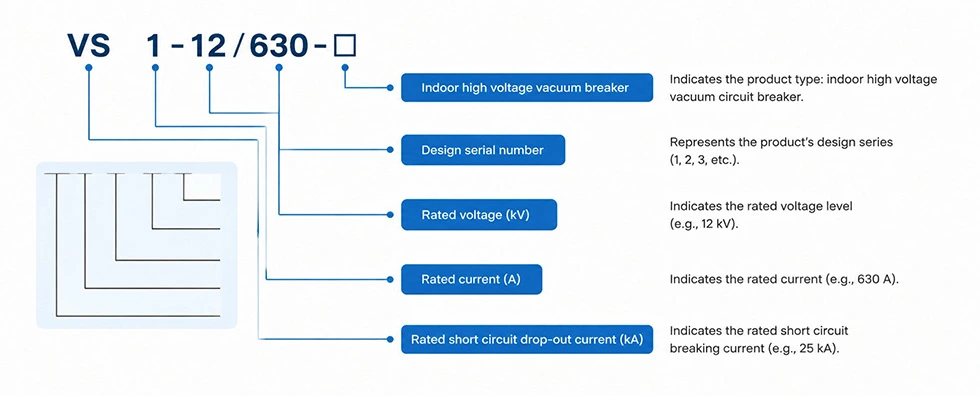
    Product model and the meaning

    Vacuum Circuit Breaker 1250a

    Intelligent Over-Current Protection

    Electronic Tripping System

    Fast and accurate fault protection is essential for medium-voltage power systems. Unlike traditional tripping coil circuits, the electronic over-current tripping device provides more precise control and faster response.

    The intelligent protection unit receives three-phase current signals from the secondary side of the current transformer and continuously compares the measured values with preset parameters.

    When the detected current exceeds the configured setting value, the device sends an operation signal, activates the breaker tripping circuit, and completes the over-current protection process.

    Parameter Specification
    Operation Voltage AC85V~265V
    Operation Voltage DC80V~300V
    Rated Current Setting 5A (standard configuration)
    Protection Method Three-phase current monitoring

    Accurate Fault Response

    The electronic over-current protection system improves protection accuracy compared with conventional solutions. It helps reduce unnecessary power interruptions while ensuring rapid isolation during abnormal operating conditions.

    For industrial facilities with sensitive electrical equipment, this intelligent protection capability helps improve system stability and operational safety.

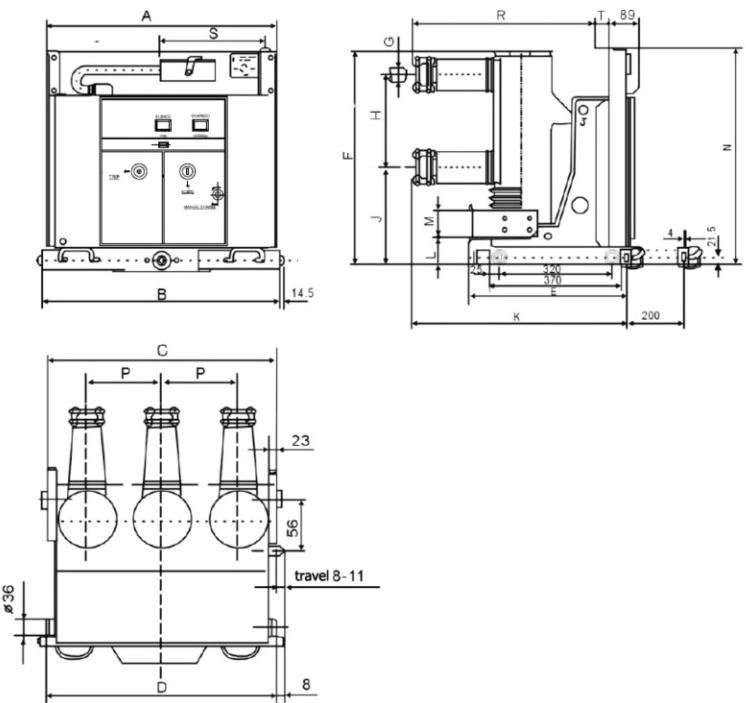
    VS1 Structure Drawing & Installation Dimensions

    Vacuum Circuit Breaker 1250a

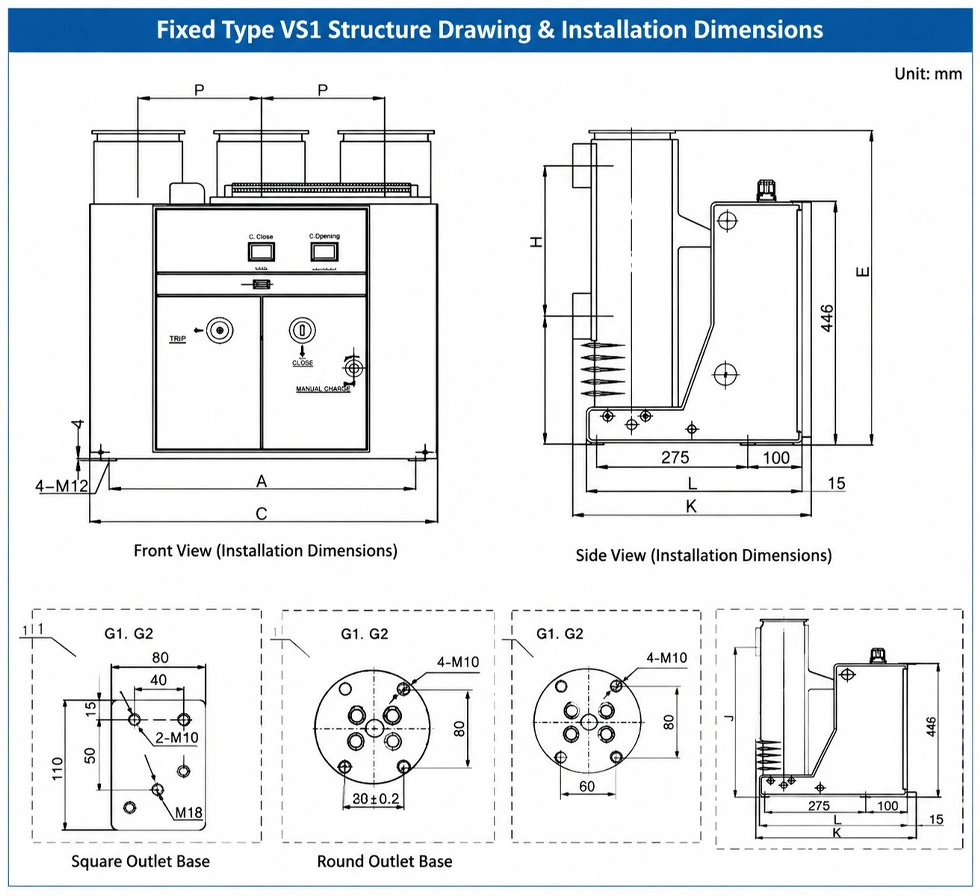
    Fixed Type VS1 Structure Drawing & Installation Dimensions

    Vacuum Circuit Breaker 1250a

    Electrodynamic and thermal withstand at the incomer

    At the incomer, the fault current is the sum of everything the board can deliver, so this is the one position where withstand ratings stop being paperwork. Two numbers matter and they answer different questions.

    Peak withstand (electrodynamic). The peak making current is typically 2.5 times the rms short-circuit value, so a 40kA rating implies a peak of roughly 100kA. The force between parallel busbars scales with the square of that current — double the fault level and the mechanical load on supports, insulators and breaker terminals quadruples. This is what bends busbars and cracks epoxy supports, and it is why a 1250A frame cannot simply be bolted into a panel designed around a 630A unit.

    Short-time withstand (thermal). The 4-second rating is what allows upstream protection to clear a fault while the breaker holds closed through it, instead of opening into a fault it was never meant to interrupt. If the protection is set faster than the withstand duration, the breaker is being asked to do the relay's job.

    Bus-section duty and load transfer

    A bus-section breaker spends most of its life open and is judged entirely by what happens in the ten seconds it closes. In a two-incomer board it exists so that one transformer can be taken out for maintenance while the other carries the whole load — which means three requirements land on it at once.

    It must be rated for the full board current, not half. During transfer it carries everything the surviving incomer can supply.

    It must be interlocked, not just operated carefully. Mechanical and electrical interlocks prevent the two incomers and the bus-section from closing in a combination that parallels the transformers unintentionally.Its protection settings differ from a feeder's. Directional or definite-time logic is usually needed so the bus-section does not trip on a fault it should let the incomer clear.For this duty, a Vacuum Circuit Breaker 1250a is normally ordered as a withdrawable unit, because transfer schemes get tested — and testing means racking the breaker out, injecting current, and putting it back without an outage on the rest of the board.

    Commissioning checks specific to high-current frames

    Standard switchgear commissioning applies. These five checks are the ones that only matter once the frame gets large, and they are the ones most often skipped.

    Busbar and terminal torque. Re-torque to drawing values with a calibrated wrench and mark the joints. At 1250A a loose joint is not a nuisance, it is a thermal runaway that starts within weeks.

    Contact resistance per phase. Measure in micro-ohms and record the three values separately. Phase-to-phase imbalance above about 20% points to a joint problem, not to contact wear.

    CT ratio and polarity. Verify against the drawing and confirm the relay sees the correct primary current — a reversed CT on an incomer produces protection that works perfectly in the wrong direction.Interlock sequence. Physically test every combination the scheme is supposed to prevent, including the ones the drawing says are impossible.

    Thermographic baseline under load. Survey at commissioning and again at 30 days, at the same load if possible. The first survey is the reference; the second is what catches the joint that was tightened correctly on paper.

    FAQ

    Can a 630A breaker be used where the load occasionally reaches 1250A?

    No. Rated current is a thermal limit that applies continuously, not a short-term tolerance. A 630A frame run at 1250A will exceed its temperature-rise limits, age its insulation and void the warranty long before it trips — and it will not trip, because overload protection sits upstream.

    How much does altitude or high ambient temperature reduce the rating?

    Indicatively, about 6% per 5 °C above 40 °C, and roughly 5% per 1,000 m above the first 1,000 m. Where both apply the factors combine, which is common in the Middle East and Central Asia. Confirm the exact coefficients against the type-test report for your project.

    Why does the incomer need higher breaking capacity than a feeder?

    Because the fault current it sees is the sum of every source feeding the board, so it is the highest fault level in the installation. Feeder breakers sit further from the source, behind cable impedance, and generally see a lower value.

    What CT ratio and busbar size go with the 1250A frame?

    Typically 1500/5 or 2000/5 for the CT, and 80×10 mm copper per phase for the main busbar on an 800–1000 mm panel — both indicative and both governed by the panel's short-circuit withstand and temperature-rise test rather than by the breaker alone.

    Send Inquiry
    Contact Info
    If you have any inquiry about a quotation or cooperation, please feel free to email or use the following inquiry form. Our sales representative will contact you within 24 hours.
    X
    We use cookies to offer you a better browsing experience, analyze site traffic and personalize content. By using this site, you agree to our use of cookies. Privacy Policy
    RejectAccept