

Article Overview
This guide explains how an air insulated ring main unit works, which components determine its performance, how to evaluate its technical specifications, and what buyers should verify before purchasing. It also covers common application challenges, operational safety, and maintenance practices that can help reduce avoidable downtime.
1. What Is an Air Insulated Ring Main Unit RMU?
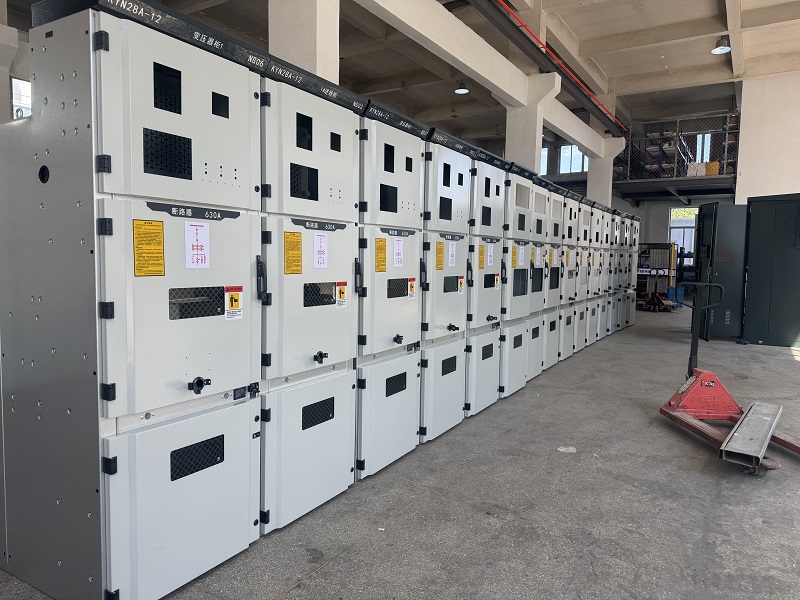
An air insulated ring main unit RMU is a medium-voltage electrical switchgear assembly designed to connect, control, and isolate circuits in a distribution network. It uses atmospheric air as an insulating medium around applicable energized components rather than relying on SF₆ gas as the primary insulation medium in those compartments.
The term ring main unit describes the equipment's role in a ring distribution arrangement. The ring typically links multiple distribution points, allowing power to reach a substation from different directions when the network design and operating configuration permit it. An RMU combines several switching functions within a compact enclosure, helping distribution operators manage feeders and transformer connections.
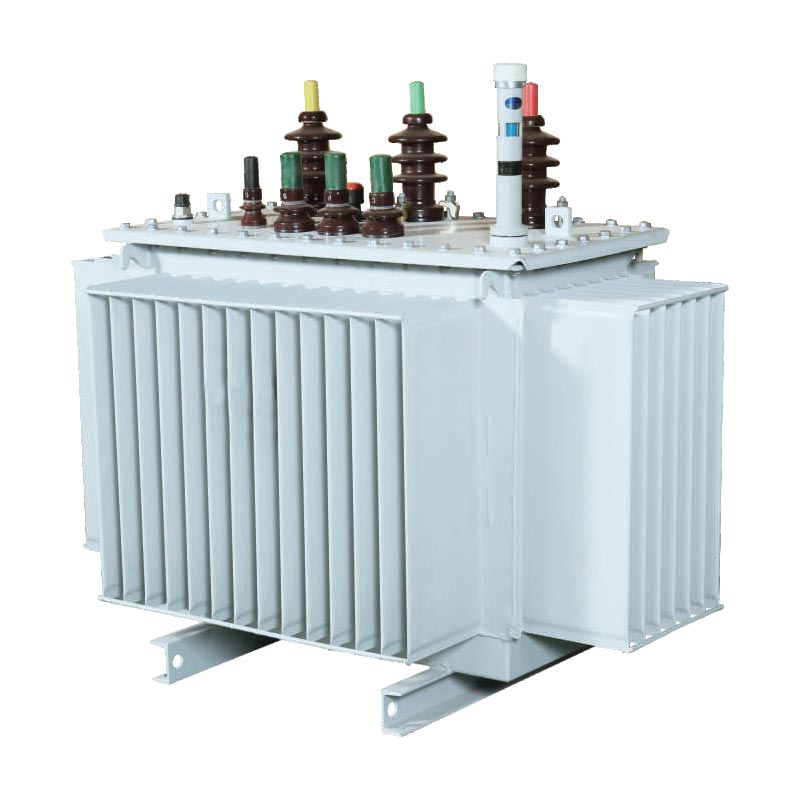
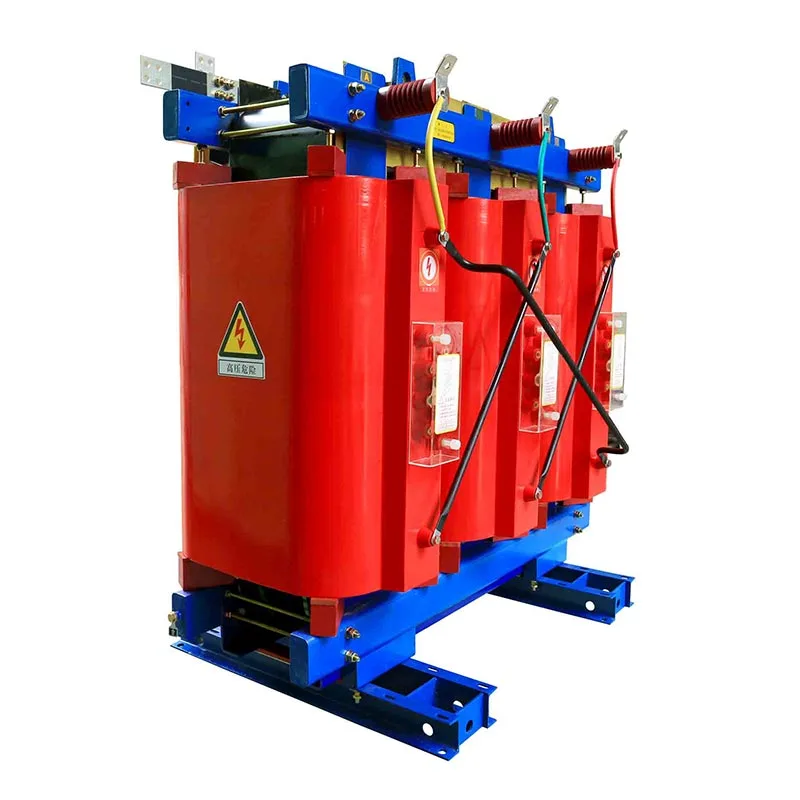
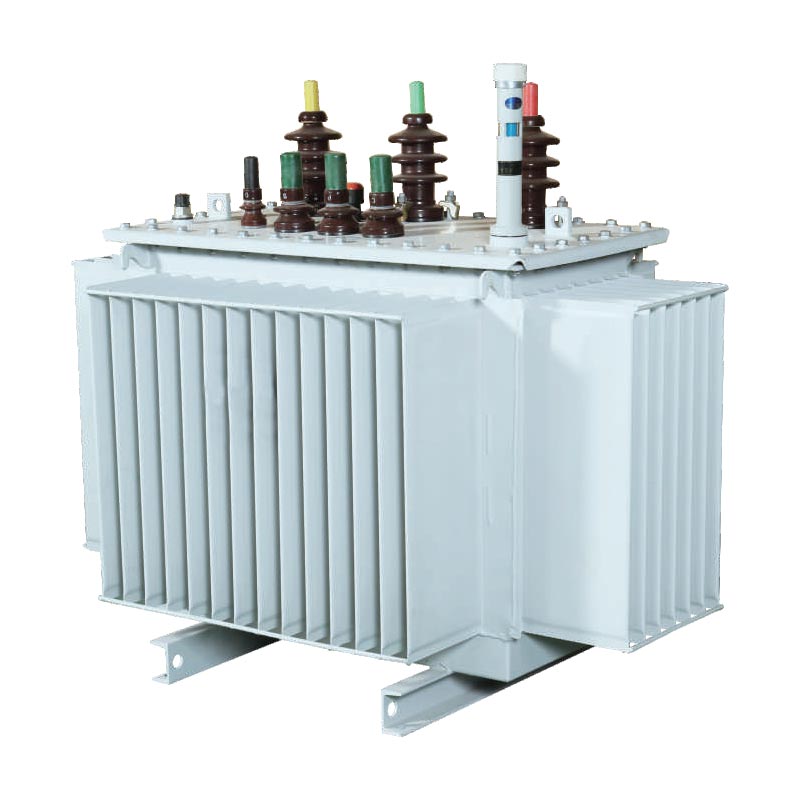
Unlike a distribution transformer, which changes electrical voltage, an RMU manages the connection and disconnection of medium-voltage circuits. Depending on its configuration, it can provide load switching, isolation, earthing, and feeder protection through fuses or circuit breakers.
Air insulated RMUs are used in applications where engineers need clearly defined switching functions, a gas-free insulation arrangement, and a configuration suited to the installation environment. Before specifying one, the project team should confirm the system voltage, fault level, operating scheme, available space, and applicable utility requirements.
2. How Does an Air Insulated RMU Work?
An air insulated RMU manages electrical power by controlling the connections between incoming ring feeders and outgoing distribution circuits. In a typical three-way arrangement, two functional units connect the ring cable sections, while a third supplies or protects a local transformer feeder.
Normal Distribution Operation
During normal operation, the switching devices are positioned according to the network's approved operating plan. Many distribution networks use a ring-shaped cable layout with a normally open point. This arrangement preserves an alternative supply route without necessarily operating the entire ring as a closed loop.
Fault Isolation and Supply Restoration
If a cable section develops a fault, protection devices detect or interrupt the fault as designed, while operators or an approved automation system isolate the affected section. The remaining healthy network may then be restored through an alternative feeder, provided that the equipment ratings, network capacity, protection coordination, and switching procedures allow it.
| Operating condition | RMU function | Operational objective |
|---|---|---|
| Normal operation | Maintains the designated circuit connections. | Deliver power to connected loads. |
| Planned maintenance | Isolates the relevant circuit and enables approved earthing procedures. | Establish a safe work condition. |
| Cable fault | Works with the system protection scheme to interrupt or isolate the affected section. | Limit the affected network area. |
| Network restoration | Allows authorized switching to reconnect healthy sections where permitted. | Restore service as safely and quickly as possible. |
It is important to distinguish load switching from fault interruption. A load break switch is designed for specified switching duties; it must not be assumed to interrupt every short-circuit current. Fault protection may require a coordinated fuse-switch combination or a circuit breaker with a suitable protection relay.
3. What Are the Main Components of an Air Insulated RMU?
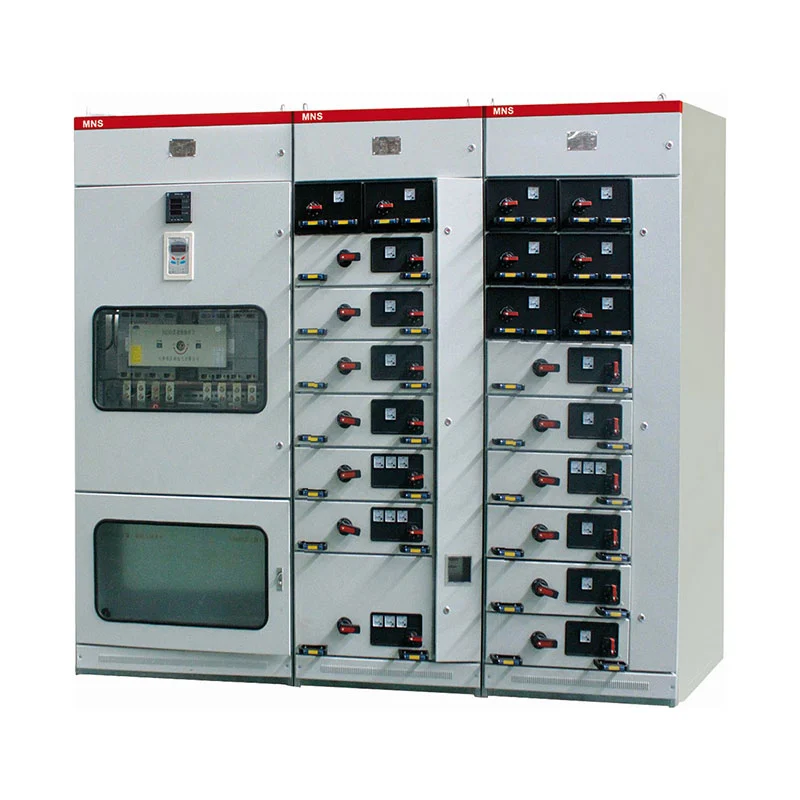
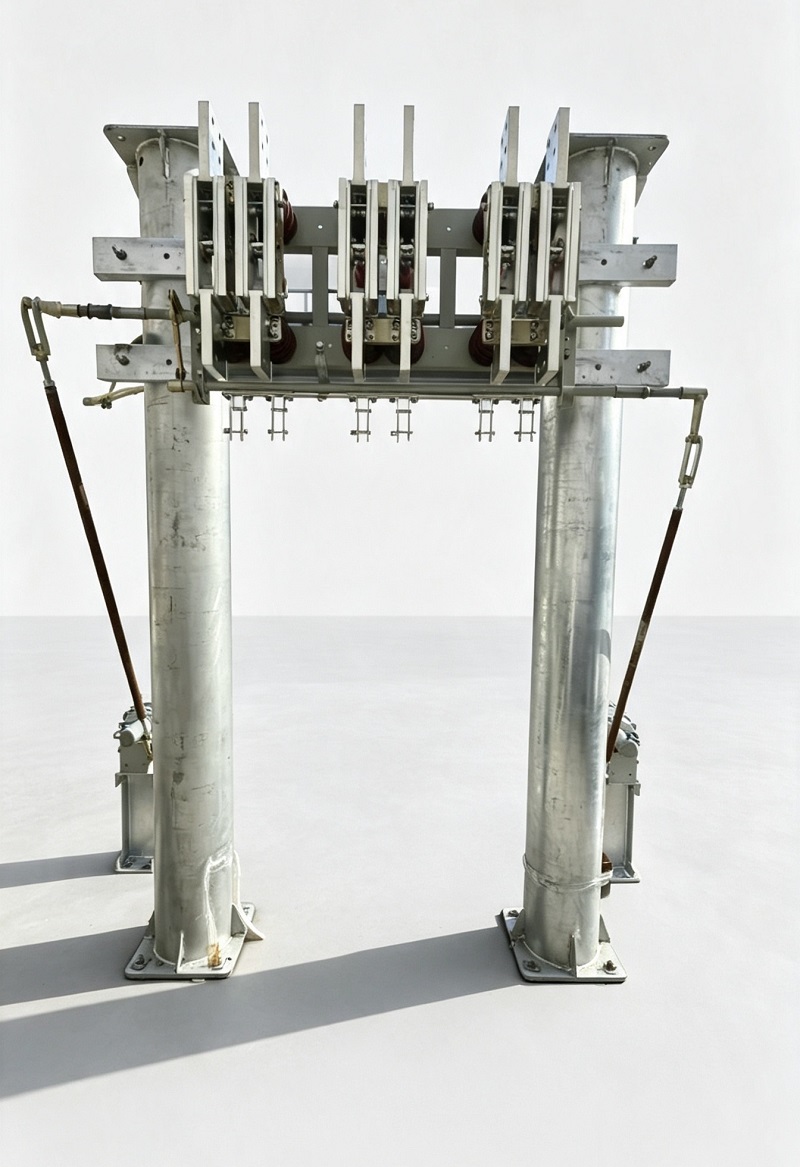
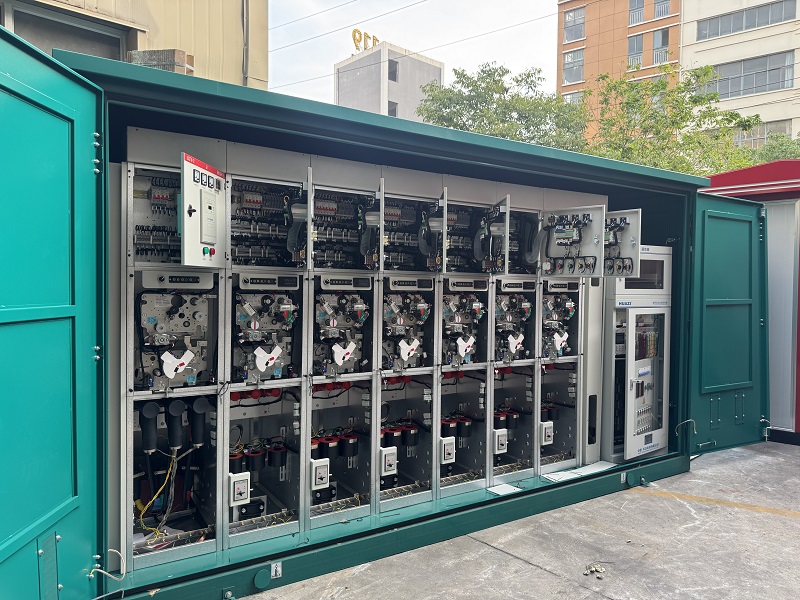
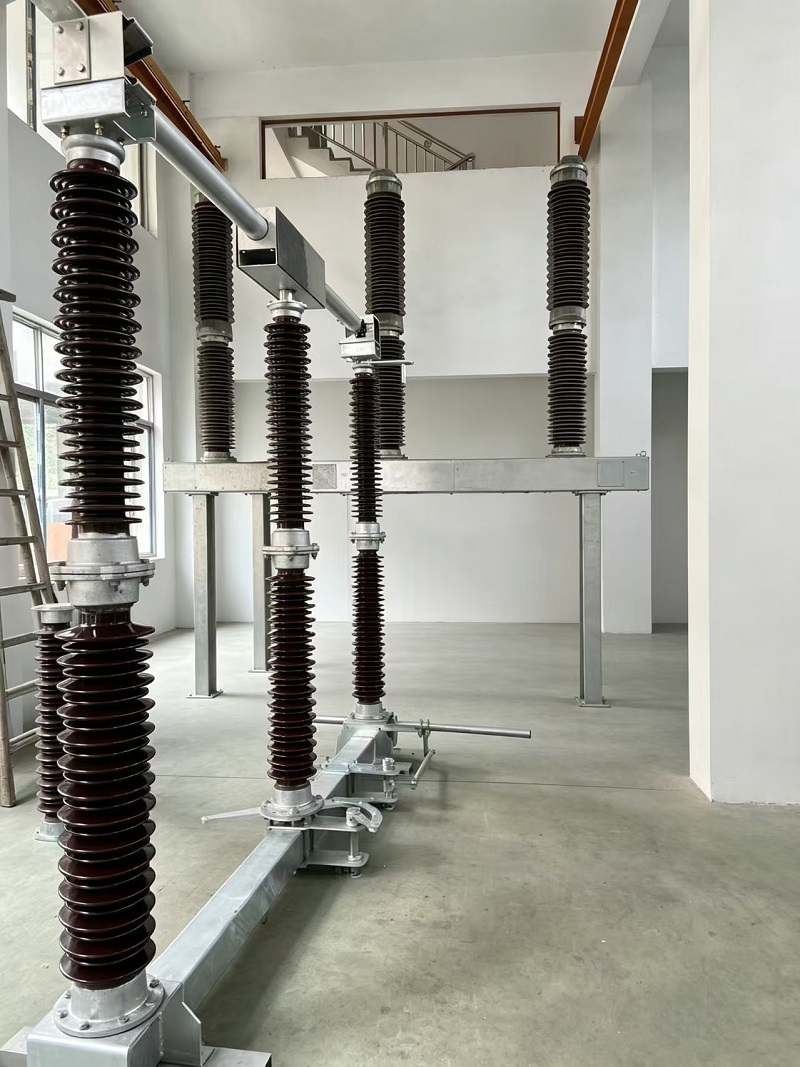
The exact internal layout varies by manufacturer and model, but most designs combine switching devices, conductors, insulation structures, safety mechanisms, and optional monitoring equipment.
Load Break Switches
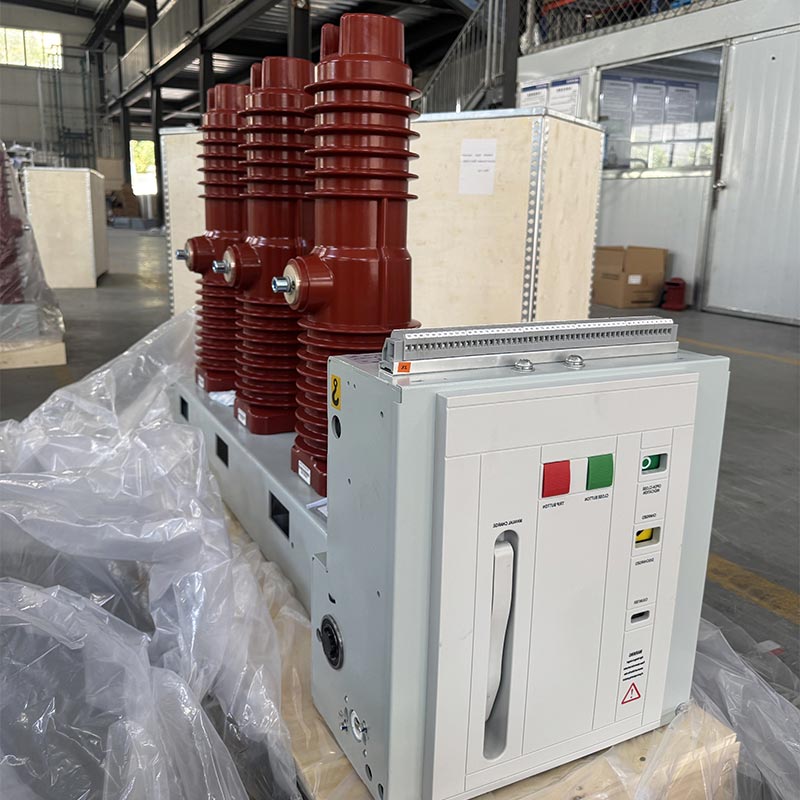
Load break switches connect or disconnect circuits under their specified normal load-switching conditions. In a ring configuration, they allow operators to control the incoming and outgoing cable sections. Their rated making, breaking, and short-time withstand capabilities must match the intended duty.
Busbars and Electrical Connections
Busbars provide conductive paths between functional units. Their material, cross-section, connection quality, and thermal design affect current-carrying capability and temperature rise. Cable terminations must also be compatible with the specified cable type and installation arrangement.
Earthing Switches and Interlocks
Earthing switches provide a means of grounding designated isolated circuit sections when the approved operating sequence permits it. Mechanical or electrical interlocks help prevent prohibited switching operations. These mechanisms are important, but they do not replace verification of isolation and absence of voltage under the applicable safety procedure.
Fuse-Switch Combinations or Circuit Breakers
Transformer feeders may use a fuse-switch combination or a circuit breaker with protective relays. The appropriate solution depends on transformer characteristics, expected fault current, selectivity requirements, and the network protection philosophy.
Insulators, Enclosure, and Monitoring Accessories
Insulating supports maintain the required electrical clearances and support live components. The enclosure protects equipment against the environmental and mechanical conditions specified for the product. Optional voltage indicators, fault passage indicators, motor operators, and communication devices can improve operational visibility and remote control when properly integrated.
4. What Benefits Does Air Insulation Offer?
Air insulation can offer practical benefits for distribution projects, particularly when the project owner wants to avoid SF₆-based insulation in the relevant compartments. The value of these benefits depends on the equipment design and operating environment.
- No SF₆ requirement in air-insulated compartments: A suitable design avoids the handling, leakage monitoring, and end-of-life recovery considerations associated with SF₆ in those compartments.
- Visible and accessible arrangements where designed: Some constructions make components and switching positions easier for trained personnel to inspect. Accessibility must be verified for the exact model.
- Modular configuration: Functional units can be arranged to meet different incoming, outgoing, and transformer-feeder requirements when the product family supports the required combinations.
- Practical maintenance planning: Without SF₆ in the air-insulated sections, operators avoid gas-related servicing tasks for those sections, although electrical and mechanical maintenance remains essential.
- Support for distribution automation: Optional motor operators and monitoring accessories can support remote switching and status reporting.
What Are the Limitations?
Air-insulated designs may require larger electrical clearances and a larger installation footprint than some gas-insulated alternatives. Humidity, contamination, condensation, altitude, and enclosure conditions can also affect insulation performance. A gas-free design does not automatically mean maintenance-free operation or superior performance in every environment.
Buyers should compare the complete equipment configuration, installation cost, lifecycle requirements, environmental conditions, and applicable regulations rather than selecting an RMU based on insulation medium alone.
5. Where Are Air Insulated RMUs Used?
Air insulated ring main units can serve a range of medium-voltage distribution applications, subject to their voltage ratings, protection arrangements, enclosure construction, and approved installation conditions.
Industrial Plants
Factories and processing facilities use medium-voltage distribution equipment to supply transformers, production areas, and other electrical loads. An RMU can support feeder isolation and help maintenance teams manage network sections without unnecessarily affecting the entire site.
Commercial and Residential Developments
Office complexes, apartment developments, retail properties, and mixed-use projects may use RMUs at local distribution substations. Compact functional arrangements can simplify the management of multiple transformer feeders within a planned electrical infrastructure.
Utility Distribution Networks
Distribution operators may install RMUs at network connection points to control feeder sections and support restoration procedures. The selected unit must satisfy utility-specific protection, switching, installation, and documentation requirements.
Renewable Energy and Infrastructure Projects
Solar installations, infrastructure facilities, and other energy projects may require medium-voltage switching between collection circuits, transformers, and the distribution network. The RMU must be selected according to the actual fault contribution, switching duty, and grid-connection design.
For outdoor or coastal installations, project teams should additionally assess enclosure protection, corrosion resistance, temperature range, condensation control, and cable-entry sealing. The suitability of any particular model must be confirmed against the manufacturer's declared service conditions.
6. What Specifications Should Buyers Check?
Choosing an air insulated RMU requires more than matching a nominal voltage. Incorrect ratings or an unsuitable protection arrangement can create safety risks, commissioning delays, and costly equipment changes. Buyers should provide the manufacturer with the network parameters and project requirements before requesting a quotation.
| Specification | What to verify | Why it matters |
|---|---|---|
| Rated voltage | Compatibility with the system's nominal and maximum operating voltage. | Ensures the insulation and equipment ratings suit the network. |
| Rated current | Busbar, ring-switch, and feeder current ratings. | Prevents selection of equipment unsuitable for the expected load. |
| Short-circuit performance | Rated short-time withstand current, duration, and relevant making or breaking duties. | Matches the switchgear to the calculated fault level. |
| Functional configuration | Number of ways, ring switches, transformer feeders, and expansion provisions. | Aligns the equipment with the single-line diagram. |
| Protection method | Fuse-switch combination or circuit breaker and relay arrangement. | Supports correct fault clearing and coordination. |
| Insulation and clearances | Air-insulation design and required electrical clearances. | Supports dielectric performance under specified conditions. |
| Installation environment | Indoor or outdoor use, altitude, humidity, temperature, and pollution. | Reduces environmental and insulation-related risks. |
| Enclosure protection | Specified IP rating and access requirements. | Defines protection against ingress under tested conditions. |
| Safety classification | Required internal-arc classification, accessible sides, current, and duration. | Addresses project-specific personnel protection requirements. |
| Automation | Manual or motorized operation, auxiliary supply, signals, and communication protocol. | Ensures compatibility with remote monitoring or SCADA. |
| Compliance documents | Applicable standards, type-test reports, routine-test records, and certificates. | Supports technical approval and project acceptance. |
Understand the Applicable Standards
IEC 62271-200 covers AC metal-enclosed switchgear and controlgear assemblies for rated voltages above 1 kV and up to and including 52 kV, including relevant indoor and outdoor applications. The applicable edition and amendments should be confirmed against the project specification. Depending on the equipment configuration, additional standards for switches, circuit breakers, switch-fuse combinations, and earthing devices may also apply.
For reference, consult the official IEC 62271-200 publication. Compliance should be verified for the actual proposed model and configuration; a general statement that a product follows an IEC standard is not a substitute for appropriate supporting documentation.
Questions to Ask Before Placing an Order
- Does the proposed RMU match the approved single-line diagram and cable arrangement?
- Are rated current and short-circuit capabilities sufficient for the system study?
- Which protection and earthing functions are included as standard?
- Are type-test evidence and routine factory-test records available for the relevant configuration?
- Are dimensions, cable-entry positions, foundation details, and maintenance clearances confirmed?
- Are spare parts, operating instructions, commissioning support, and warranty terms clearly specified?
7. What Safety and Installation Requirements Matter?
Medium-voltage switchgear installation must be carried out by qualified personnel following approved drawings, local electrical regulations, manufacturer instructions, and site-specific safety procedures. Because the equipment can contain dangerous stored or induced electrical energy, commissioning and maintenance should never rely on visual switch positions alone.
Site Preparation
Before delivery, confirm that the foundation, cable trenches, cable bending space, access routes, ventilation requirements, and operating clearances match the approved drawings. The installation area should remain within the specified environmental limits and allow safe operation and maintenance.
Cable Termination and Earthing
Use compatible cable accessories and follow the manufacturer's termination instructions. Verify conductor preparation, connection torque, phase identification, insulation condition, and earthing connections. Poorly installed terminations can lead to overheating, partial discharge, insulation deterioration, or electrical failure.
Commissioning Checks
Commissioning should follow an approved test plan that reflects the product design and project requirements. Typical checks include inspection of mechanical operation, interlocks, wiring, earthing continuity, protection settings, control circuits, and relevant electrical test results. The exact tests and acceptance criteria must be defined by qualified engineers.
8. How Can Operators Maintain an Air Insulated RMU?
Although an air insulated RMU avoids SF₆ gas servicing in its air-insulated compartments, it still requires a maintenance program appropriate to its design, duty, age, and installation environment. Preventive maintenance helps identify deterioration before it causes an outage or safety incident.
Recommended Inspection Areas
- Enclosure condition: Check for corrosion, physical damage, water ingress, blocked ventilation, and damaged seals.
- Insulation condition: Look for contamination, moisture, tracking marks, cracking, or other signs of deterioration during approved inspections.
- Switching mechanisms: Check operating mechanisms, position indicators, interlocks, and mechanical condition according to manufacturer procedures.
- Connections and cables: Inspect accessible terminations and connections for signs of overheating, looseness, or insulation damage using approved methods.
- Protection and control: Verify relay settings, auxiliary power, alarms, motor operators, and communication functions where fitted.
- Records: Document inspections, test results, faults, switching operations, and corrective actions.
How Often Should an RMU Be Inspected?
There is no single inspection interval suitable for every installation. Follow the manufacturer's maintenance schedule, applicable regulations, utility requirements, and the site's risk assessment. Equipment in dusty, humid, corrosive, or heavily loaded environments may require more frequent condition checks.
Do not open sealed or restricted compartments, adjust live components, or carry out intrusive work without the prescribed authorization, isolation, and test procedures. If abnormal heating, discharge noise, burning smells, unexpected alarms, or mechanical resistance occurs, escalate the issue to qualified maintenance personnel promptly.
9. What Common Problems Should Project Teams Prevent?
Many switchgear project problems begin before energization. Clear specifications, complete documentation, and coordination between the equipment supplier, electrical designer, installer, and end user can reduce avoidable delays.
| Common issue | Potential consequence | Preventive action |
|---|---|---|
| Incorrect fault rating | Equipment may not withstand the actual network fault duty. | Confirm fault-study results and equipment ratings before approval. |
| Wrong feeder configuration | Missing switching or protection functions and costly redesign. | Review the single-line diagram and functional-unit schedule. |
| Incompatible cable accessories | Installation difficulties or unreliable cable terminations. | Confirm cable specifications and approved termination kits. |
| Unsuitable site conditions | Condensation, corrosion, insulation problems, or access limitations. | Check service conditions, enclosure design, and installation clearances. |
| Incomplete test documentation | Delayed inspection, acceptance, or commissioning. | Agree on required test records and certificates during procurement. |
| Unclear maintenance responsibilities | Missed inspections and slower fault response. | Define operating procedures, training, spare parts, and service support. |
For procurement teams, the most effective approach is to define technical requirements before comparing quotations. A low initial price may not represent the best overall value if the proposed configuration requires additional engineering, installation changes, or unsupported accessories.
10. Frequently Asked Questions
What is the main purpose of an air insulated ring main unit RMU?
Its main purpose is to manage switching, isolation, and distribution connections in a medium-voltage network. Depending on the configuration, it also provides transformer-feeder protection and supports the isolation of faulty cable sections.
What does air insulated mean in an RMU?
It means atmospheric air serves as the insulating medium around the relevant energized components. The exact insulation arrangement depends on the product design, and the term does not by itself define the switching or arc-interruption technology.
Is an air insulated RMU SF₆-free?
An air-insulated design can avoid SF₆ in the relevant insulation compartments. Buyers should check the manufacturer's technical documentation to confirm whether the complete proposed assembly contains any SF₆ or other insulating gases.
What is the difference between an RMU and a transformer?
An RMU controls and protects electrical connections within the distribution network, while a transformer changes voltage from one level to another. They may be installed together at a distribution substation, but they perform different functions.
Can an air insulated RMU automatically restore power after a fault?
Not necessarily. Basic units may require authorized manual switching. Automatic fault isolation or restoration requires suitable protection, motorized switching, control logic, communications, and an approved network automation scheme.
Which technical ratings are most important when buying an RMU?
Key parameters include rated voltage, rated current, short-circuit withstand and making capability, switching duties, protection arrangement, insulation performance, environmental conditions, enclosure rating, and any required internal-arc classification.
Does an air insulated RMU require maintenance?
Yes. Operators should follow the manufacturer's maintenance schedule and inspect the enclosure, insulation, switching mechanisms, cable terminations, earthing system, protection devices, and optional control equipment as appropriate.
Which standard is relevant to medium-voltage metal-enclosed RMUs?
IEC 62271-200 is a key standard for applicable AC metal-enclosed switchgear assemblies rated above 1 kV and up to 52 kV. Other standards may apply to individual switching and protection devices. The project team should verify the required editions and the actual product's test documentation.
How can buyers evaluate an RMU manufacturer?
Review the manufacturer's technical documentation, product configuration options, applicable type-test evidence, routine factory-test procedures, quality controls, installation guidance, spare-parts availability, warranty conditions, and ability to meet project-specific requirements.
Choose the Right Air Insulated RMU for Your Project
Reliable medium-voltage distribution begins with the right equipment configuration, accurate technical specifications, and a clear understanding of site conditions. Whether you are planning an industrial power distribution system, a commercial development, or a utility network project, careful equipment selection can support safer operation and more dependable maintenance planning.
Zhejiang Usune Electric Co., Ltd. can be included in your supplier evaluation when sourcing electrical distribution equipment. Share your project voltage, rated current, short-circuit requirements, functional-unit configuration, installation environment, and applicable standards to help establish the appropriate technical scope.
Need help defining your medium-voltage switchgear requirements? Contact us to discuss your project specifications, request relevant product documentation, and explore a suitable solution for your power distribution application.
Technical note: Product configurations and ratings vary by model. Confirm all specifications, applicable standards, test documentation, and operating procedures with the manufacturer and the responsible project engineer before procurement, installation, or energization.