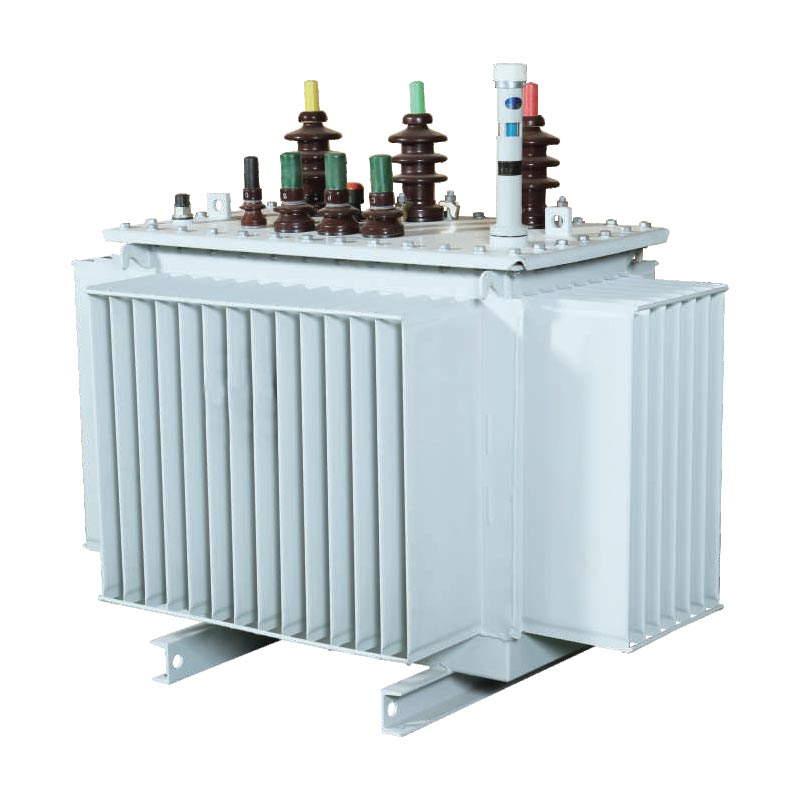
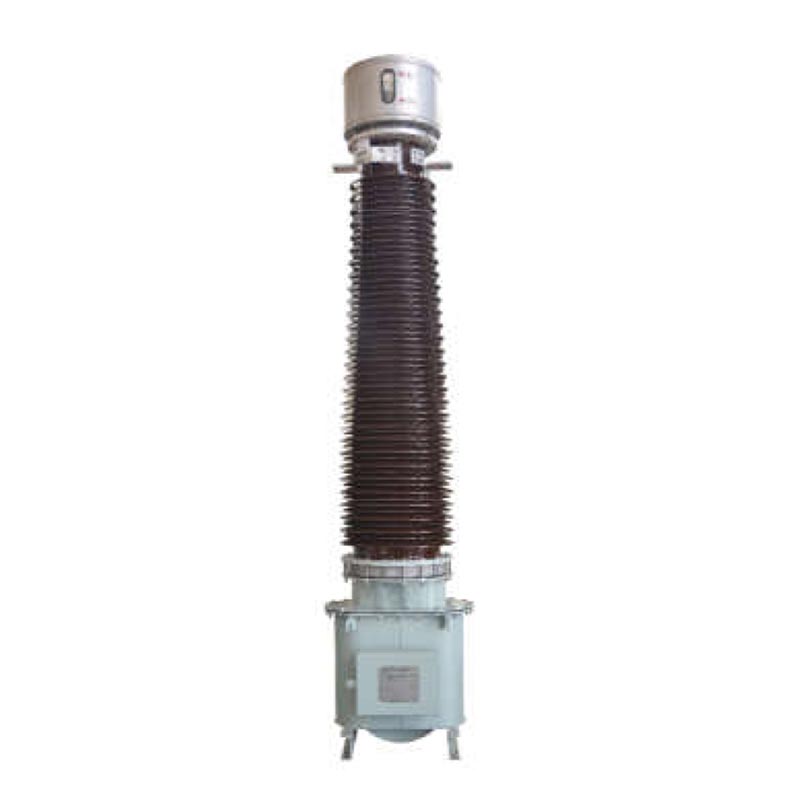
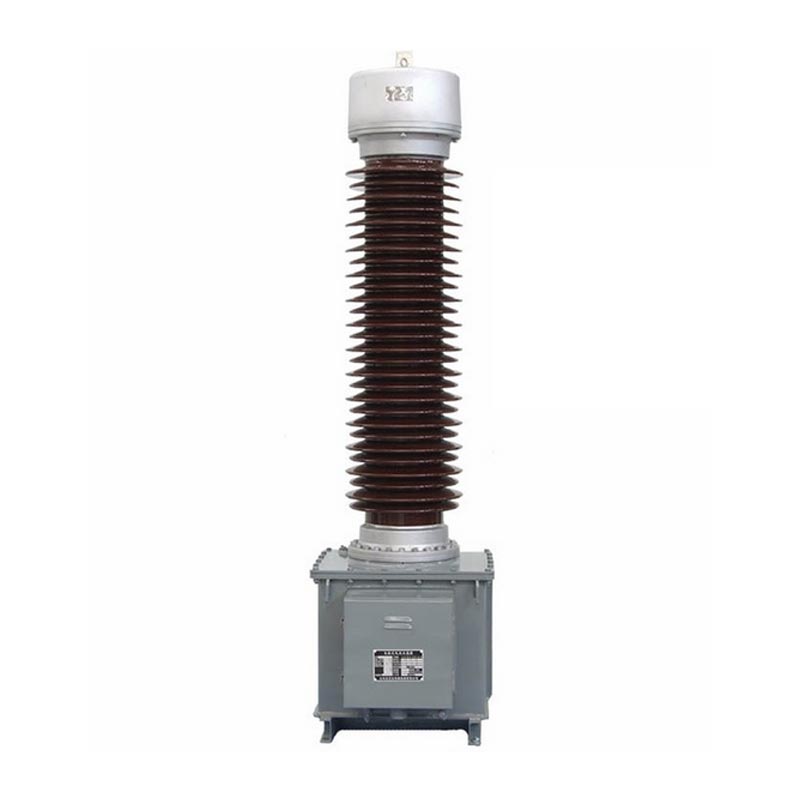
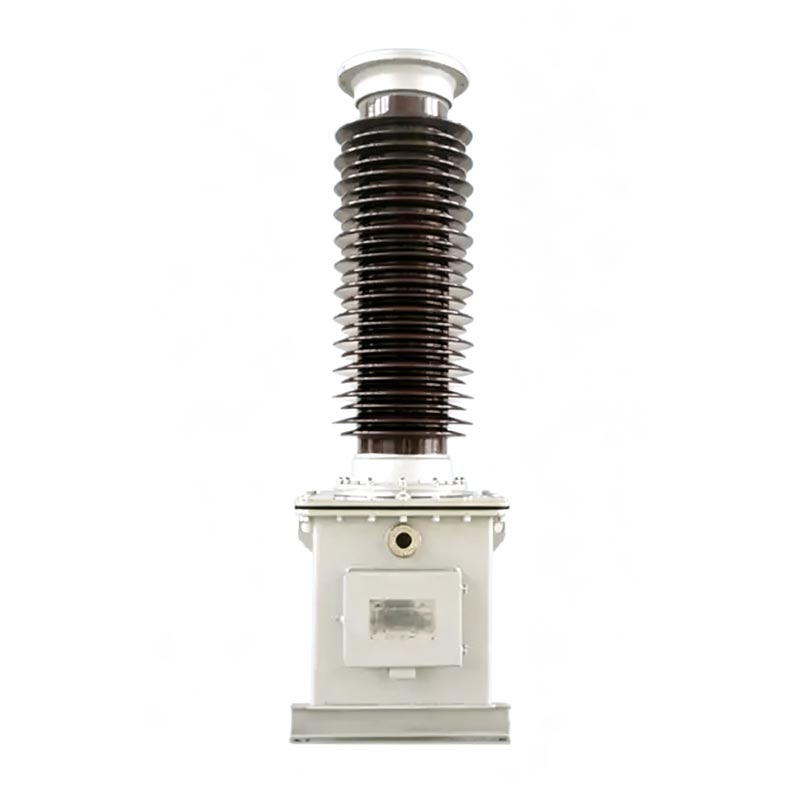
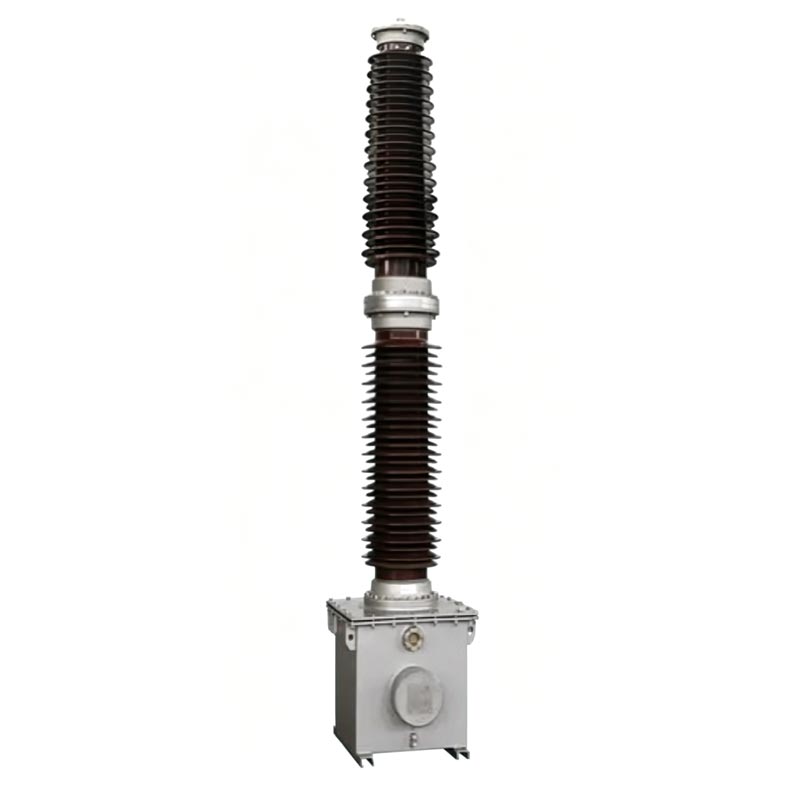
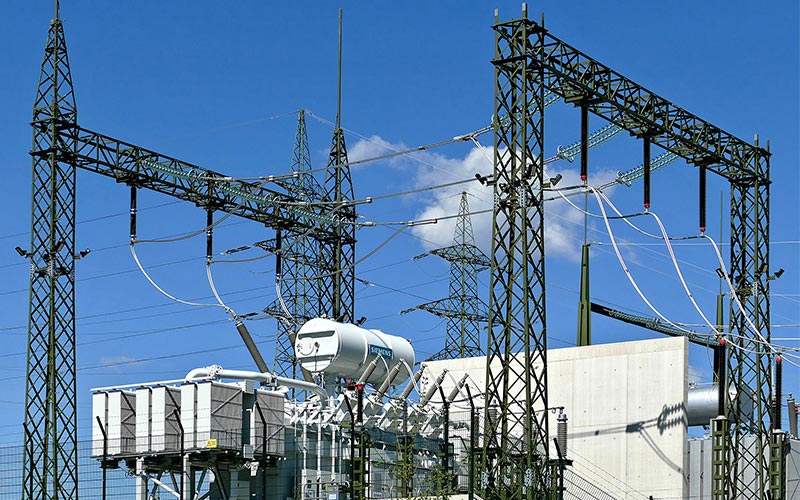
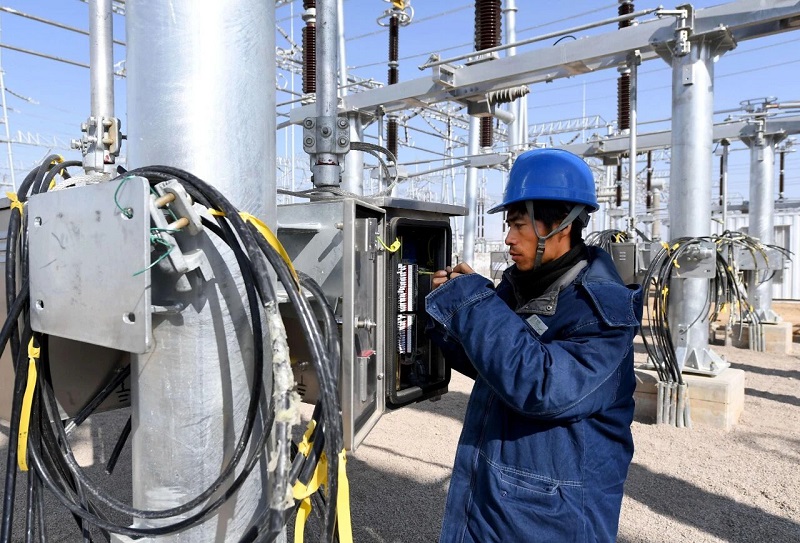
Instrument transformers are specialized precision devices for high-voltage AC power systems, acting as the "sensory nerves" of the power grid. Their core principle is to convert the high-voltage, high-current power of the grid into standard low-voltage, low-current signals recognizable by secondary equipment. This provides accurate data for power measurement, energy metering, system monitoring, and relay protection and ensures electrical isolation between the primary high-voltage circuit and the secondary low-voltage control circuit, protecting equipment and the safety of maintenance personnel.
Usune specializes in the R&D and production of high-voltage instrument transformers, offering customized products for high-altitude and pollution-resistant applications. Their voltage levels comprehensively cover mainstream high-voltage power grid conditions, including 110kV, 126kV, 145kV, 154kV, and 170kV, adaptable to various high and low-voltage distribution scenarios.
Product Classification and Core Performance
Usune instrument transformers are mainly divided into two categories: current transformers (CTs) and voltage transformers (VTs). These two types of products have clear functional positioning and complementary application scenarios, comprehensively meeting the operational needs of high-voltage power systems under all operating conditions.
1. Current Transformer (CT)
1.1 Definition and Core Functions
Current transformers can step down high primary currents in the power grid to convert them into standard 1A or 5A secondary currents. They are mainly used for current detection, energy metering, overcurrent and ground fault protection, accurately capturing power grid current fluctuations, and quickly triggering protection actions during faults to ensure power grid safety.
1.2 Core Product Features
-
Safety Standards: Open circuits in the secondary circuit are strictly prohibited, effectively preventing equipment damage and safety accidents caused by high-voltage overloads.
-
Precision and Stability: High measurement accuracy and excellent transient response performance, suitable for the precise metering and reliable protection needs of complex power grid conditions.
-
Diverse Product Range: Covering outdoor oil-immersed, dry-type, and SF₆ gas-insulated types, suitable for both indoor and outdoor conventional and special power distribution scenarios.
-
Mature and Reliable: The mainstay LB6 series outdoor oil-paper insulated current transformer has been verified through numerous engineering projects, demonstrating stable performance and wide applicability.
2. Voltage Transformer (VT)
2.1 Definition and Core Functions
Voltage transformers convert high-voltage grid voltage into a standard secondary voltage of 100V or 100/√3V, providing accurate voltage signals for grid voltage measurement, energy metering, voltage monitoring, and fault protection, maintaining voltage stability in the distribution system.
2.2 Product Classification and Characteristics
Usune voltage transformers are divided into two main types, suitable for different voltage levels and application scenarios:
-
Electromagnetic Voltage Transformer (EVT): Employs a traditional inductor structure, simple in design and stable in operation, suitable for medium and low voltage power systems;
-
Capacitive Voltage Transformer (CVT): Composed of a capacitive voltage divider and an electromagnetic unit, widely used in 35kV~550kV outdoor high-voltage grids. In addition to basic measurement and protection functions, it can also be used as a coupling capacitor for power line carrier communication. The flagship TYD series capacitive voltage transformer enjoys extremely high industry recognition.
2.3 Core Product Features
-
Safety Standards: Short circuits are strictly prohibited on the secondary side to ensure stable voltage signal output;
-
Accurate Metering: Stable voltage ratio and minimal phase error ensure accurate and reliable power metering and monitoring data;
-
Anti-Resonance Design: Equipped with a dedicated ferroresonant suppression device to eliminate system resonance faults and ensure long-term stable operation of the equipment.
Operating Conditions and Standards
1. Applicable Operating Conditions
The Usune Instrument transformer is designed for harsh outdoor and industrial conditions, with strong environmental adaptability. Standard operating parameters are as follows:
-
Rated Frequency: 50Hz/60Hz, compatible with mainstream global power grid frequencies;
-
Ambient Temperature: -40℃~+45℃, meeting high and low temperature and extreme seasonal conditions;
-
Installation Altitude: Standard models are suitable for areas 1000m and below; customized high-altitude models are available;
-
Anti-Pollution Capability: Supports customization for different pollution levels, suitable for complex outdoor environments such as coastal areas, industrial dust, and corrosive environments.
2. Execution Standards
From design and production to testing, our products strictly adhere to international and national authoritative standards, ensuring reliable and compliant quality:
-
International Standards: IEC 60044 series standards
-
National Standards: GB/T 20840 series standards
FAQ
Q1: What are the core safety prohibitions for current and voltage instrument transformers?
A1: Both types of instrument transformers have strict safety operating procedures. Open circuits are strictly prohibited on the secondary circuit of current transformers (CTs), otherwise, excessively high voltage will be generated, causing equipment burnout and electric shock accidents. Short circuits are strictly prohibited on the secondary side of voltage transformers (VTs) to avoid equipment overload, overheating, and power grid failures. Daily maintenance must be strictly carried out in accordance with regulations.
Q2: In which scenarios are capacitive (CVT) and electromagnetic (EVT) voltage transformers respectively suitable?
A2: Electromagnetic voltage transformers (EVTs) are simple in structure, cost-effective, and stable in operation, suitable for conventional medium and low voltage power distribution systems; capacitive voltage transformers (CVTs) have stronger withstand voltage and anti-interference capabilities, specifically designed for 35kV~550kV outdoor high-voltage power grids. In addition to metering and protection, they can also be used for power line carrier communication, making them the preferred equipment for high-voltage outdoor substations.
Q3: Can Usune Instrument transformers be adapted to high-altitude and heavily polluted environments?
A3: Yes. Standard models are suitable for altitudes of 1000m and below. For high-altitude scenarios, enhanced high-altitude customized versions are available. Furthermore, products with different pollution levels can be customized for conditions such as coastal salt spray, industrial dust, and chemical corrosion, ensuring long-term stable and safe operation of the equipment in extreme environments.