News

News

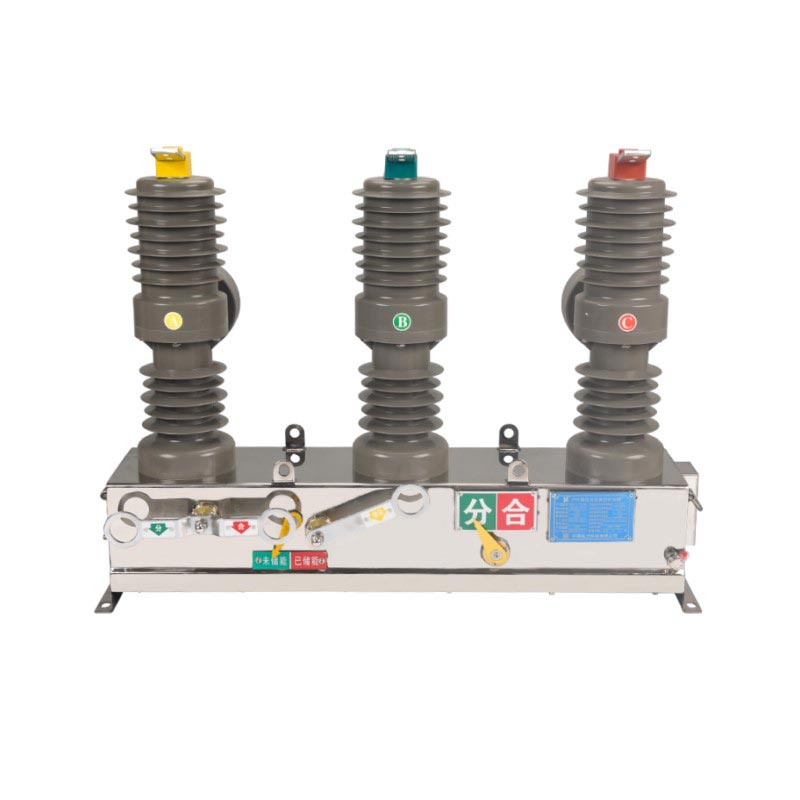
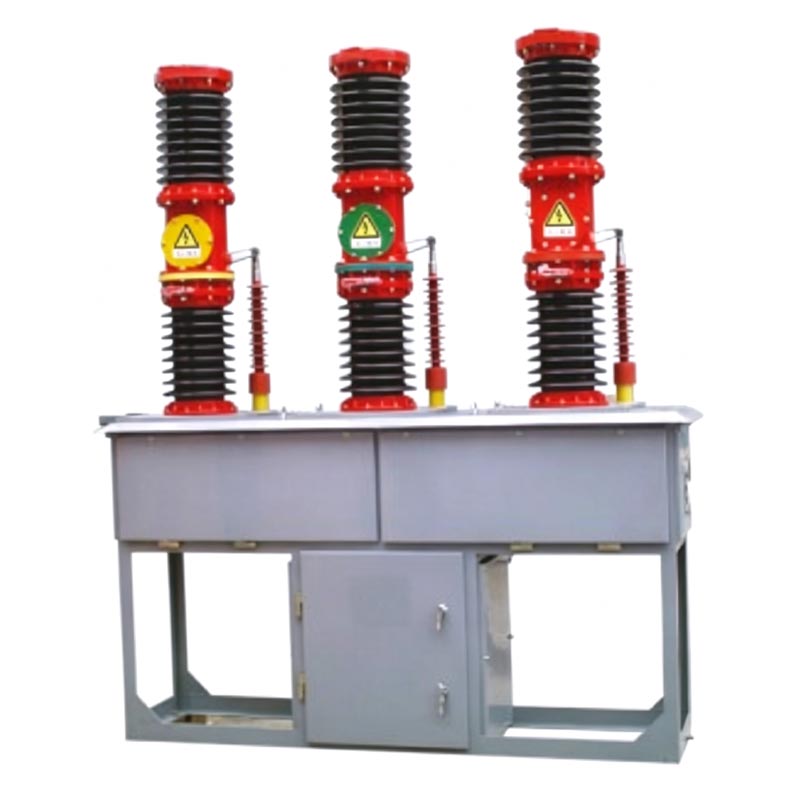
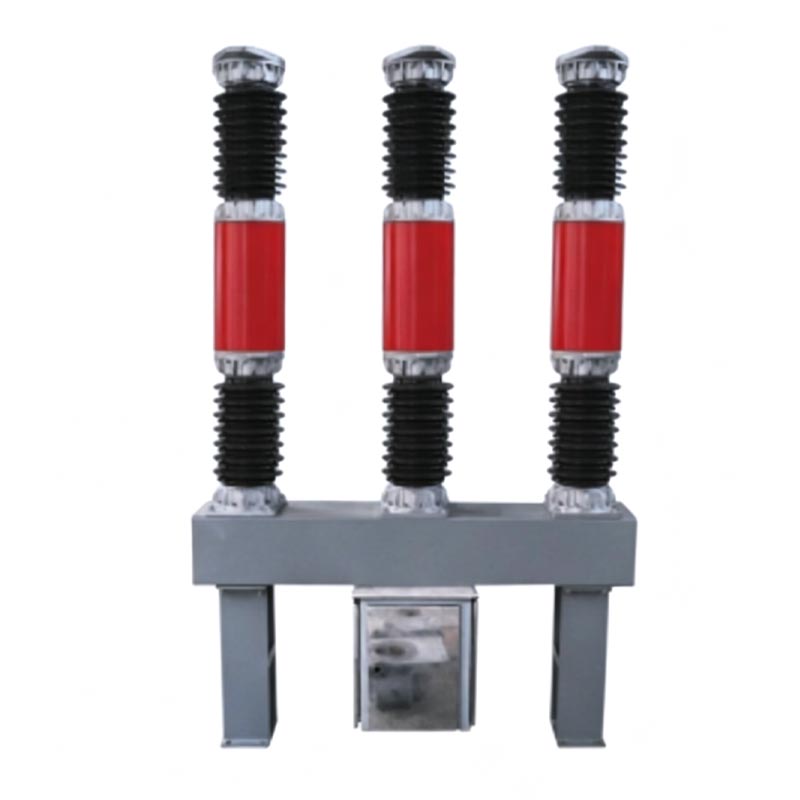
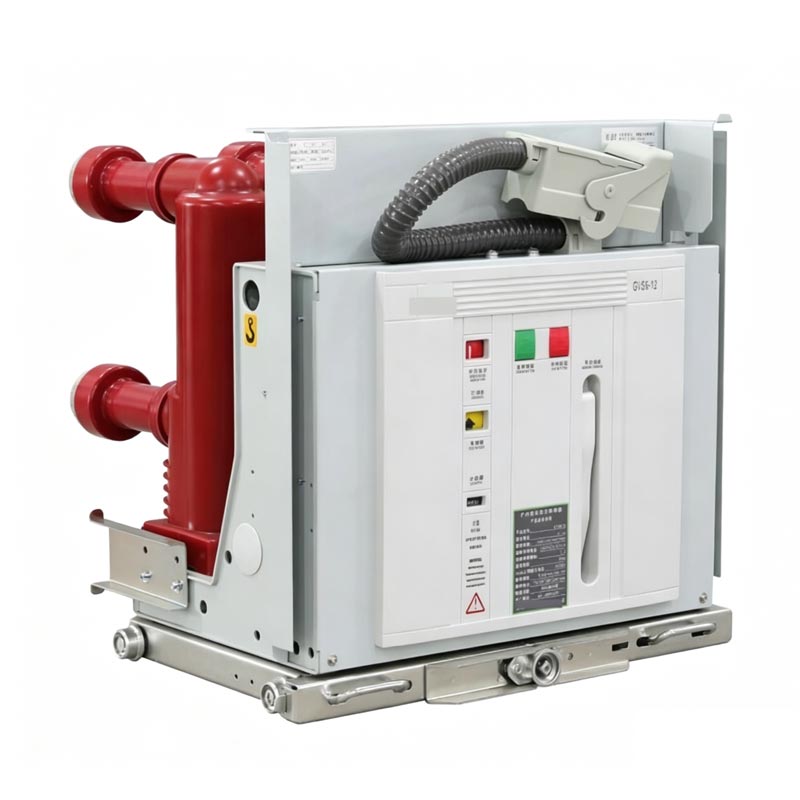
SF₆ Circuit Breaker: A critical component of high-voltage power grids, delivering superior performance through high electronegativity and an arc-quenching capability 100 times that of air.

2026-06-11 0 Leave me a message

Arc-quenching medium: SF₆ gas

Key characteristic: Excellent affinity between molecules and free electrons

Maintenance requirements: Special preparations are necessary before major overhaul

Application area: High-voltage power industry

SF₆ circuit breakers are critical components of the power grid, significantly influencing the reliability of grid operations.

I. Arc-Quenching Mechanism of SF₆ Gas

When electrons collide with SF₆ molecules, they combine to form heavy negative ions with a probability of nearly 100%. This characteristic is of immense practical value for the deionization of the residual arc column and the arc-quenching process.

SF₆ possesses strong electronegativity; its molecules rapidly capture free electrons to form negative ions. Since negative ions have extremely low electrical conductivity, the dielectric strength of the arc gap recovers rapidly, resulting in superior arc-quenching performance.

At standard atmospheric pressure (1.01 × 10⁵ Pa), the arc-quenching capability of SF₆ is 100 times that of air. Furthermore, SF₆ does not degrade after arc quenching and can be reused.

II. Advantages and Models of SF₆ Circuit Breakers

Leveraging the excellent insulation and arc-quenching properties of SF₆ gas, these circuit breakers offer several advantages:

  • High breaking capacity
  • High withstand voltage between contacts
  • High number of permissible consecutive breaking operations
  • Suitability for frequent operation
  • Low noise
  • No fire hazard
  • Minimal mechanical and electrical wear

As high-performance, nearly maintenance-free devices, SF₆ circuit breakers are increasingly widely used in high-voltage circuits. Two common models are LN1-35 and HB36.

III. Limitations and Improvement Strategies

While pure SF₆ gas is an excellent arc-quenching medium, it has limitations in frequently operated low-voltage electrical equipment:

  • Arcs generated during frequent switching trigger reactions between metal vapors and SF₆ decomposition products, producing fine powders (e.g., hydrofluorides, thiosulfates) that deposit on contact surfaces, corroding contacts and increasing contact resistance.
  • Under high-temperature electrical discharge, SF₆ decomposes into corrosive gases, which can severely corrode aluminum alloys and damage phenolic resin laminates and porcelain insulation components.

Improvement strategy: When SF₆ is mixed with nitrogen (N₂) with an SF₆ volume fraction above 20%–30%, the mixture achieves a dielectric strength comparable to pure SF₆ while significantly reducing corrosivity. Consequently, SF₆–N₂ mixtures are widely used in practical applications.

Related News
Leave me a message
X
We use cookies to offer you a better browsing experience, analyze site traffic and personalize content. By using this site, you agree to our use of cookies.Privacy Policy
RejectAccept