News

News

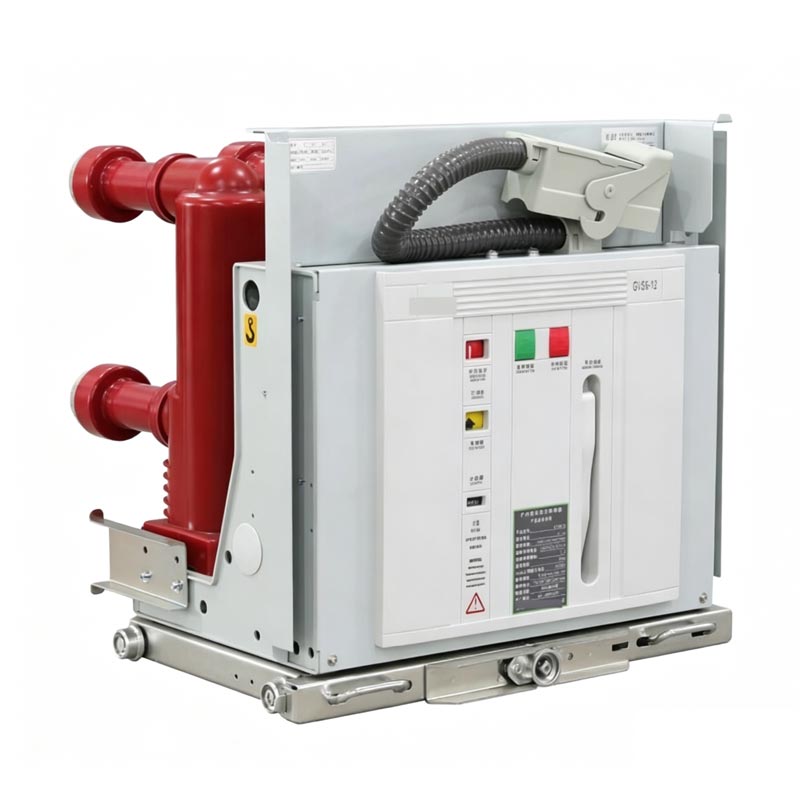
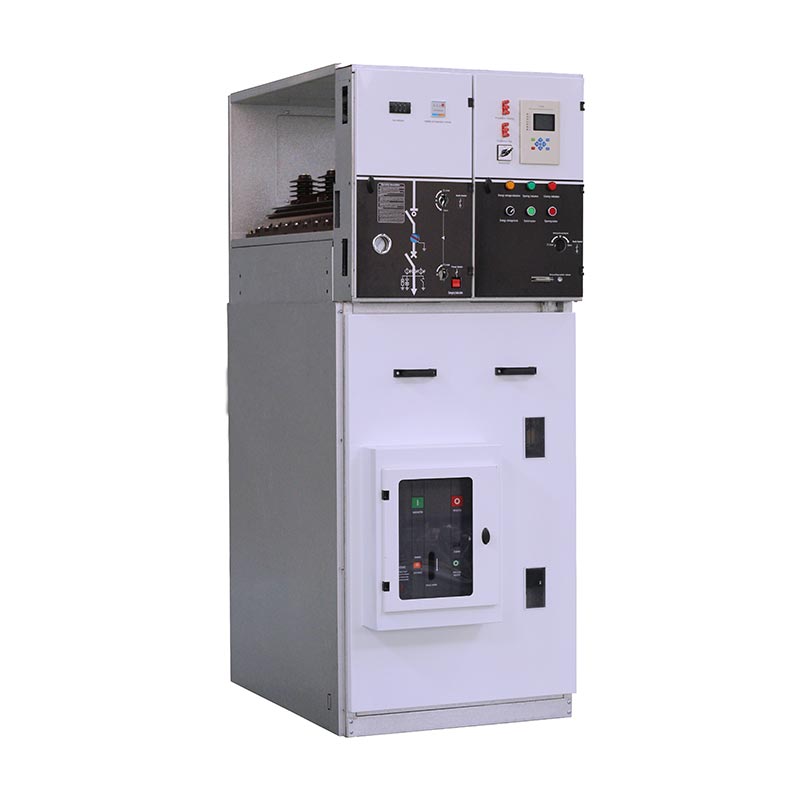
Indoor high-voltage vacuum circuit breakers have become the preferred switchgear in the medium-voltage power distribution sector.

2026-06-17 0 Leave me a message

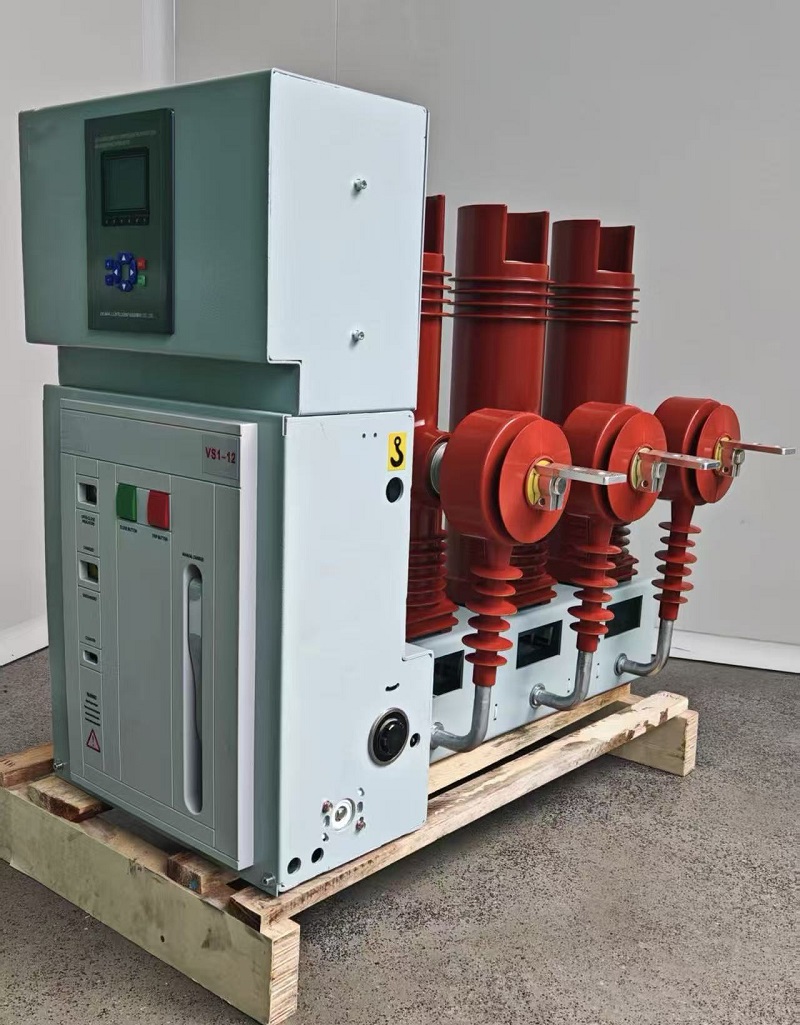
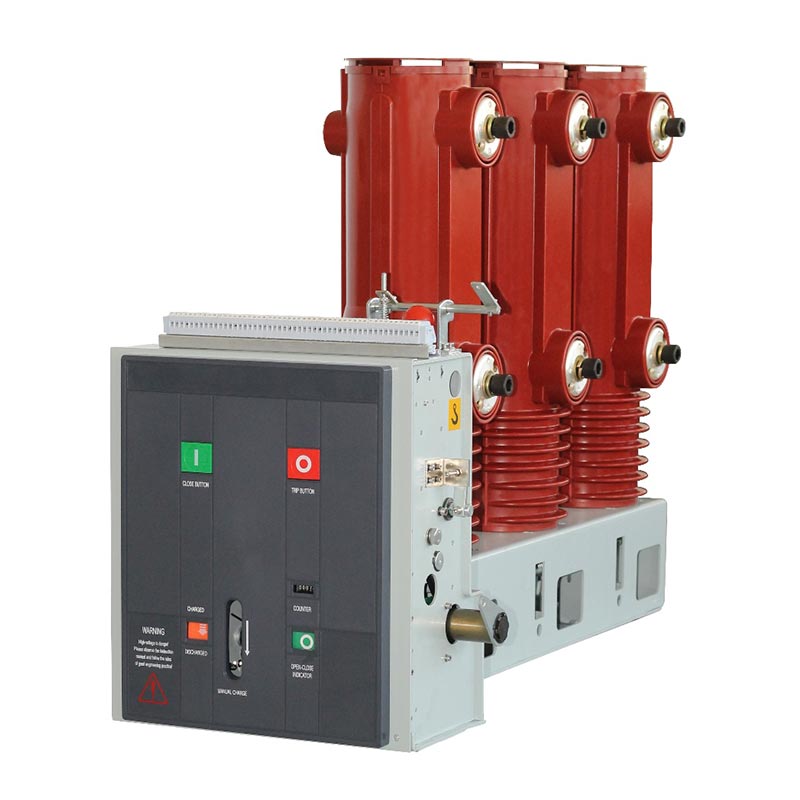
The High Voltage Indoor Type Vacuum Circuit Breaker (VCB) uses vacuum as both the arc-extinguishing and insulating medium. Designed for 10kV–35kV power distribution systems, it provides reliable protection and control for electrical equipment in power plants, substations, industrial facilities, mining enterprises, and commercial power networks.

Featuring compact dimensions, lightweight construction, high breaking capacity, and maintenance-free operation, vacuum circuit breakers are widely recognized as one of the most reliable switching devices in modern medium-voltage power systems.

Product Features

  • Vacuum Arc Extinguishing Technology – Uses high vacuum interrupters for fast arc extinction and excellent insulation performance.
  • Frequent Switching Capability – Capable of interrupting rated current more than 10,000 times and breaking rated short-circuit current dozens or even hundreds of times.
  • Maintenance-Free Operation – Vacuum interrupters require minimal maintenance, reducing operating costs and downtime.
  • Compact and Lightweight Design – Saves installation space while simplifying transportation and maintenance.
  • High Reliability and Long Service Life – Suitable for continuous operation in demanding industrial and utility environments.
  • Excellent Safety Performance – Provides reliable protection against overloads, short circuits, and electrical faults.

Main Components

The vacuum circuit breaker mainly consists of:

  • Vacuum Interrupter
  • Insulating Support Structure
  • Operating Mechanism
  • Control and Protection Components

These components work together to ensure stable operation, rapid fault isolation, and long-term reliability.

Applications

  • Power Plants
  • Electrical Substations
  • Industrial Manufacturing Facilities
  • Mining Operations
  • Commercial Buildings
  • Renewable Energy Projects
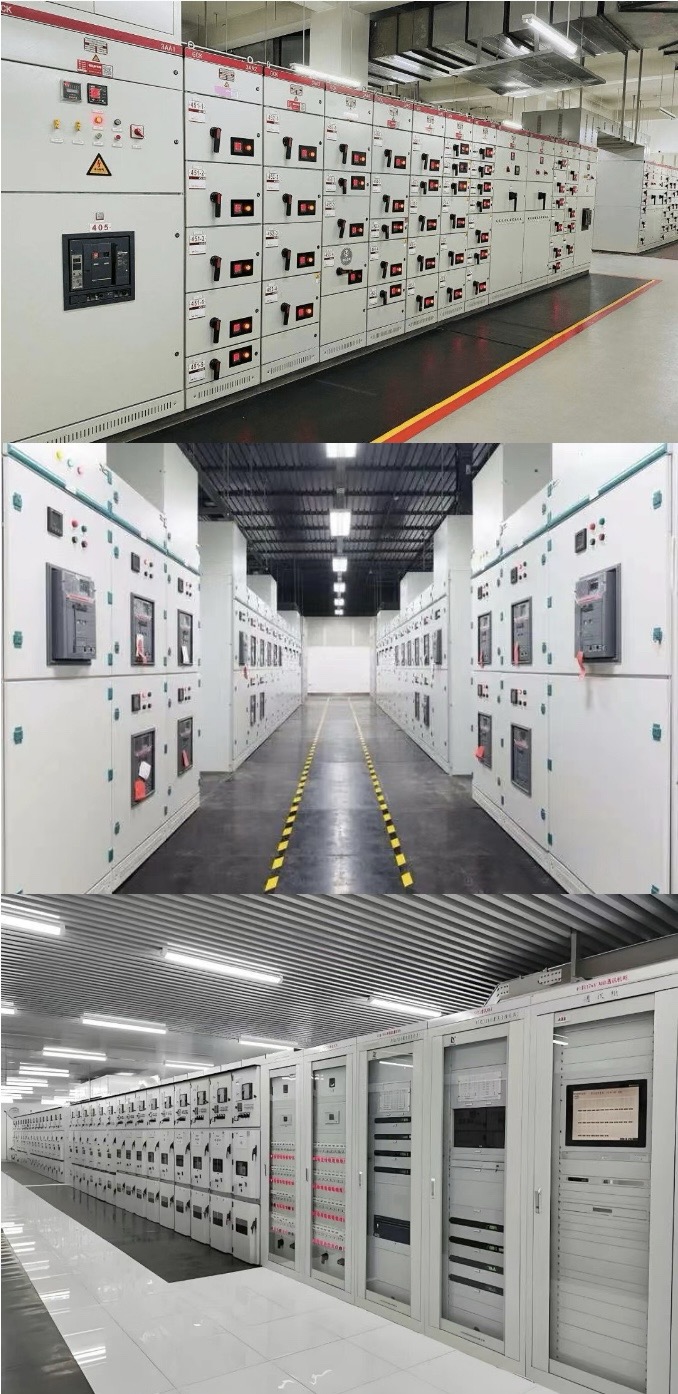
  • Medium-Voltage Distribution Networks
  • Infrastructure and Utility Projects

Development History of Vacuum Circuit Breakers

The development of vacuum circuit breaker technology began in 1893 when Rittenhouse in the United States proposed the first vacuum interrupter concept and obtained a patent. In 1920, Sweden produced the first experimental vacuum switch. By the 1950s, advancements in vacuum technology enabled practical applications for capacitor bank switching.

In 1961, General Electric introduced a 15kV vacuum circuit breaker with a breaking capacity of 12.5kA, marking the beginning of commercial high-voltage vacuum switching technology. Subsequent technological breakthroughs increased breaking capacities to over 100kA by the 1980s.

China began vacuum switch research in 1958 and has since developed a complete range of vacuum circuit breakers covering various voltage classes. Today, China is one of the world's leading manufacturers of medium-voltage vacuum switching equipment.

Technical Specifications

Parameter Specification
Rated Voltage 10kV – 35kV
Rated Current Up to 5000A
Rated Short-Circuit Breaking Current Up to 50kA
Arc Extinguishing Medium Vacuum
Installation Type Indoor
Operation Frequency Suitable for Frequent Switching
Maintenance Requirement Maintenance-Free Arc Extinguishing Chamber

Advantages of Vacuum Circuit Breakers

  • Excellent dielectric recovery strength
  • Fast arc extinction performance
  • Environmentally friendly operation
  • No gas leakage concerns
  • Long mechanical and electrical life
  • Low maintenance costs
  • Suitable for smart grid applications
  • High operational reliability

Why Choose Our Vacuum Circuit Breakers?

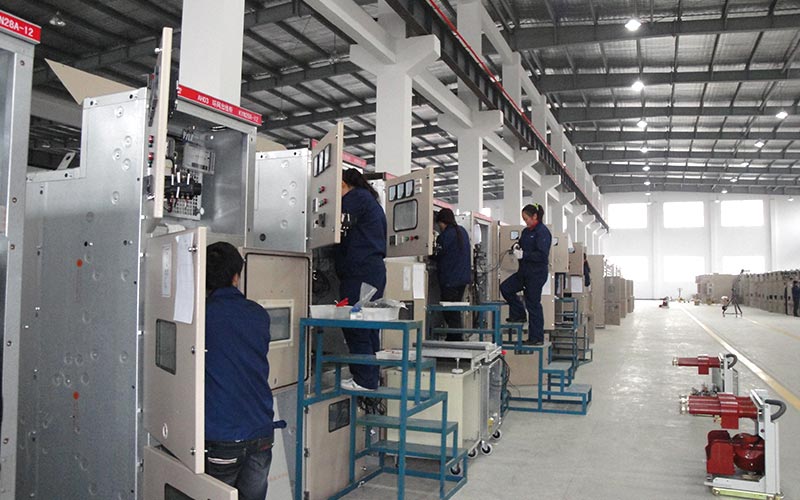
As a professional manufacturer and supplier of medium-voltage electrical equipment, we provide high-quality vacuum circuit breakers that comply with international standards. Supported by advanced production facilities, strict quality control systems, and comprehensive technical services, our products are widely exported to global markets and trusted by power utilities, EPC contractors, and industrial customers worldwide.

Related News
Leave me a message
X
We use cookies to offer you a better browsing experience, analyze site traffic and personalize content. By using this site, you agree to our use of cookies.Privacy Policy
RejectAccept