News

News

Why Is an Oil Immersed Transformer Essential for Modern Power Distribution?

2026-06-02 0 Leave me a message

Oil immersed transformers remain one of the most widely used electrical power distribution solutions across utilities, industrial facilities, renewable energy projects, commercial buildings, and infrastructure developments. Their superior cooling performance, excellent insulation properties, long service life, and ability to handle high electrical loads make them a preferred choice for reliable power transmission and distribution.

This comprehensive guide explains how oil immersed transformers work, their advantages, key components, common applications, maintenance requirements, safety considerations, and practical tips for selecting the right transformer for your project.

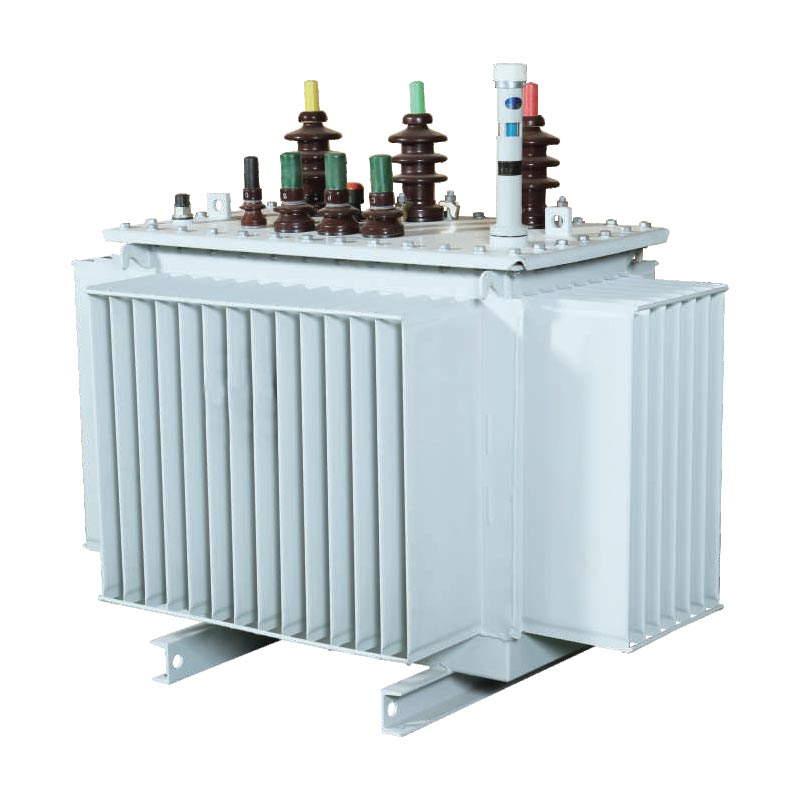
Oil immersed transformers


Table of Contents


1. What Is an Oil Immersed Transformer?

An oil immersed transformer is a type of electrical transformer whose core and windings are submerged in insulating mineral oil or specialized dielectric fluid. The oil serves two critical functions:

  • Electrical insulation between components
  • Heat dissipation during operation

As electrical current passes through the transformer windings, heat is generated. The insulating oil absorbs this heat and transfers it to the cooling system, helping maintain safe operating temperatures and ensuring stable long-term performance.

Because of their efficiency and durability, oil immersed transformers are extensively used in power generation, transmission networks, substations, manufacturing facilities, and renewable energy systems.


2. How Does an Oil Immersed Transformer Work?

The operating principle is based on electromagnetic induction.

  1. Alternating current enters the primary winding.
  2. A magnetic field is generated in the transformer core.
  3. The magnetic field induces voltage in the secondary winding.
  4. Electrical energy is transferred efficiently between circuits.
  5. Heat generated during operation is absorbed by transformer oil.
  6. The cooling system dissipates the heat into the surrounding environment.

The oil continuously circulates either naturally or through forced cooling systems, ensuring reliable thermal management under varying load conditions.


3. Main Components of an Oil Immersed Transformer

Component Function
Core Transfers magnetic flux efficiently
Primary Winding Receives incoming voltage
Secondary Winding Delivers output voltage
Transformer Oil Provides insulation and cooling
Tank Houses core, windings, and oil
Radiators Dissipate heat
Conservator Compensates for oil expansion and contraction
Buchholz Relay Detects internal faults and gas accumulation
Breather Prevents moisture from entering the tank

4. Key Advantages of Oil Immersed Transformers

Excellent Cooling Performance

Transformer oil has superior thermal conductivity compared with air, allowing effective heat transfer and preventing overheating.

High Load Capacity

Oil immersed transformers can handle heavy electrical loads continuously while maintaining stable performance.

Long Service Life

Properly maintained units can operate reliably for 25 to 40 years or longer.

Superior Insulation Strength

The insulating oil significantly improves dielectric performance, reducing the risk of electrical failure.

Cost-Effective Operation

Their high efficiency reduces energy losses and lowers operational costs over time.


5. Oil Immersed Transformer vs Dry-Type Transformer

Feature Oil Immersed Transformer Dry-Type Transformer
Cooling Method Oil Cooling Air Cooling
Load Capacity Higher Moderate
Efficiency Excellent Good
Outdoor Installation Ideal Limited
Initial Cost Lower Higher
Maintenance Requires Oil Monitoring Minimal

6. Common Applications

  • Power generation stations
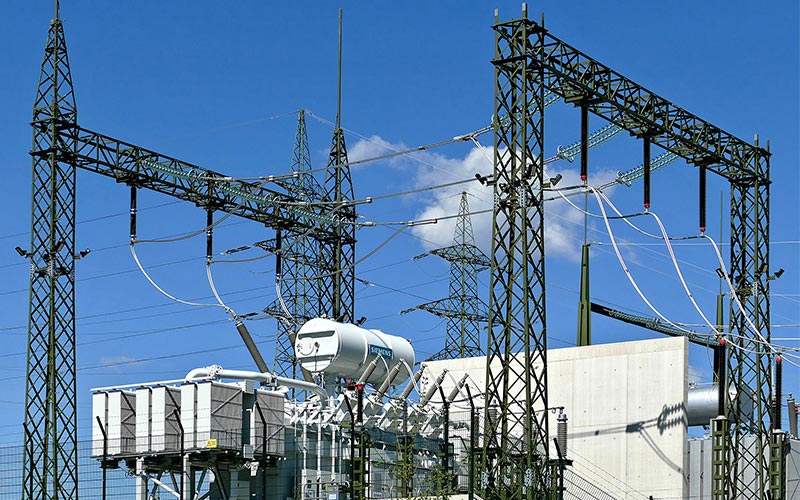
  • Utility substations
  • Industrial manufacturing plants
  • Mining operations
  • Renewable energy projects
  • Solar power farms
  • Wind energy installations
  • Commercial complexes
  • Infrastructure developments
  • Transportation systems

Their ability to provide reliable voltage transformation under demanding conditions makes them indispensable across numerous industries.


7. Important Performance Parameters

  • Rated Power Capacity (kVA/MVA)
  • Primary Voltage
  • Secondary Voltage
  • Frequency Rating
  • Impedance Voltage
  • Cooling Method
  • Load Losses
  • No-Load Losses
  • Efficiency Level
  • Insulation Class

Understanding these parameters helps engineers choose equipment that meets project requirements while optimizing performance and energy efficiency.


8. How to Select the Right Transformer

Selecting the correct oil immersed transformer requires careful evaluation of several factors.

  • Determine expected load demand.
  • Analyze voltage requirements.
  • Consider future expansion plans.
  • Evaluate environmental conditions.
  • Review installation space availability.
  • Check applicable industry standards.
  • Assess maintenance accessibility.
  • Compare lifecycle costs rather than purchase price alone.

Working with experienced manufacturers can significantly simplify the selection process and reduce project risks.


9. Maintenance Best Practices

Regular maintenance plays a vital role in extending transformer lifespan and preventing unexpected downtime.

  • Perform periodic oil testing.
  • Monitor moisture levels.
  • Inspect bushings regularly.
  • Check cooling radiators.
  • Verify protection relay operation.
  • Inspect seals and gaskets.
  • Monitor temperature readings.
  • Conduct dissolved gas analysis.

Preventive maintenance is significantly more economical than emergency repairs or equipment replacement.


10. Safety Considerations

While oil immersed transformers are highly reliable, proper safety procedures must always be followed.

  • Ensure adequate ventilation.
  • Install fire protection systems.
  • Conduct regular inspections.
  • Follow electrical safety regulations.
  • Maintain grounding systems.
  • Train personnel appropriately.

Comprehensive safety programs help reduce operational risks and protect personnel and equipment.


11. Industry Trends and Future Development

Modern transformer technology continues to evolve with increasing emphasis on energy efficiency, digital monitoring, and environmental sustainability.

  • Smart transformer monitoring systems
  • Online condition diagnostics
  • Eco-friendly insulating fluids
  • Reduced energy losses
  • Predictive maintenance technologies
  • Integration with renewable energy grids

These innovations are helping utilities and industrial operators achieve greater reliability and operational efficiency.


12. Frequently Asked Questions

Q1: How long does an oil immersed transformer typically last?

With proper maintenance, most units can operate efficiently for 25 to 40 years or even longer.

Q2: Why is transformer oil important?

It provides both insulation and cooling, which are essential for safe and efficient transformer operation.

Q3: Can oil immersed transformers be installed outdoors?

Yes. They are specifically designed to perform reliably in outdoor environments.

Q4: What maintenance is required?

Routine inspections, oil testing, dissolved gas analysis, and cooling system checks are recommended.

Q5: Are oil immersed transformers suitable for renewable energy projects?

Absolutely. They are widely used in solar farms, wind power plants, and energy storage systems.

Q6: How can I improve transformer reliability?

Implement preventive maintenance programs, monitor operating conditions, and address issues before they escalate.


13. Conclusion

Oil immersed transformers continue to be the backbone of modern electrical infrastructure. Their outstanding cooling capability, strong insulation performance, high efficiency, and long service life make them a dependable solution for utility networks, industrial facilities, renewable energy projects, and commercial developments.

By understanding transformer design, performance characteristics, maintenance requirements, and selection criteria, organizations can maximize equipment reliability while minimizing operational costs over the long term.

Contact Us

Zhejiang Usune Electric Co., Ltd. specializes in the design, manufacturing, and supply of reliable transformer solutions for utilities, industrial facilities, renewable energy projects, and infrastructure developments worldwide.

Our engineering team can help you select the most suitable transformer configuration based on your voltage, capacity, environmental, and operational requirements.

Contact us today to discuss your project requirements and discover how our advanced transformer solutions can improve the safety, efficiency, and reliability of your electrical system.

Related News
Leave me a message
X
We use cookies to offer you a better browsing experience, analyze site traffic and personalize content. By using this site, you agree to our use of cookies. Privacy Policy
Reject Accept