News

News

When Is a Side Mounted Indoor Vacuum Circuit Breaker Suitable for Medium Voltage Switchgear?

2026-08-28 0 Leave me a message

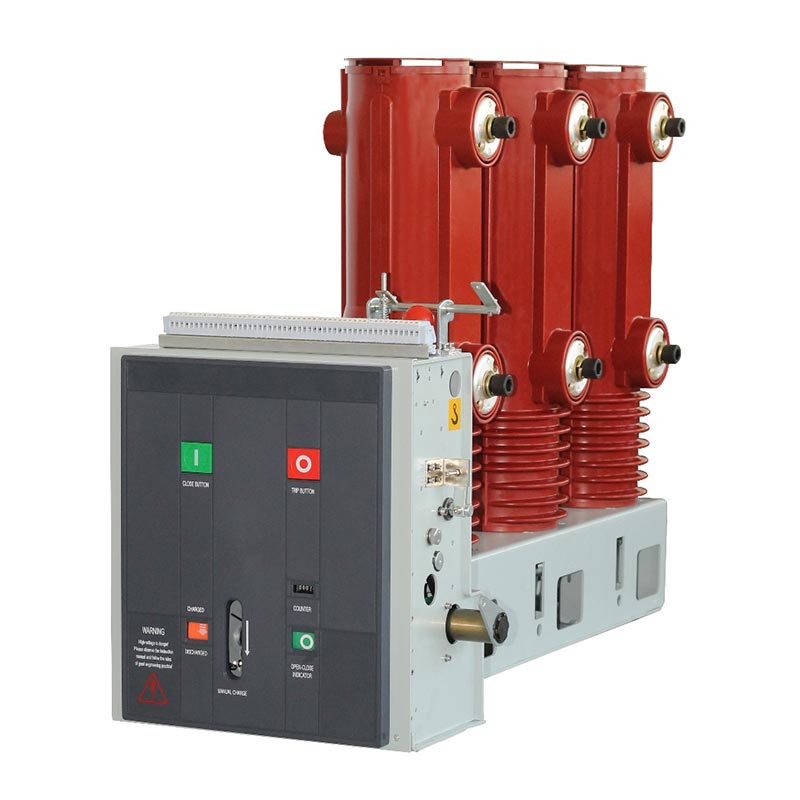
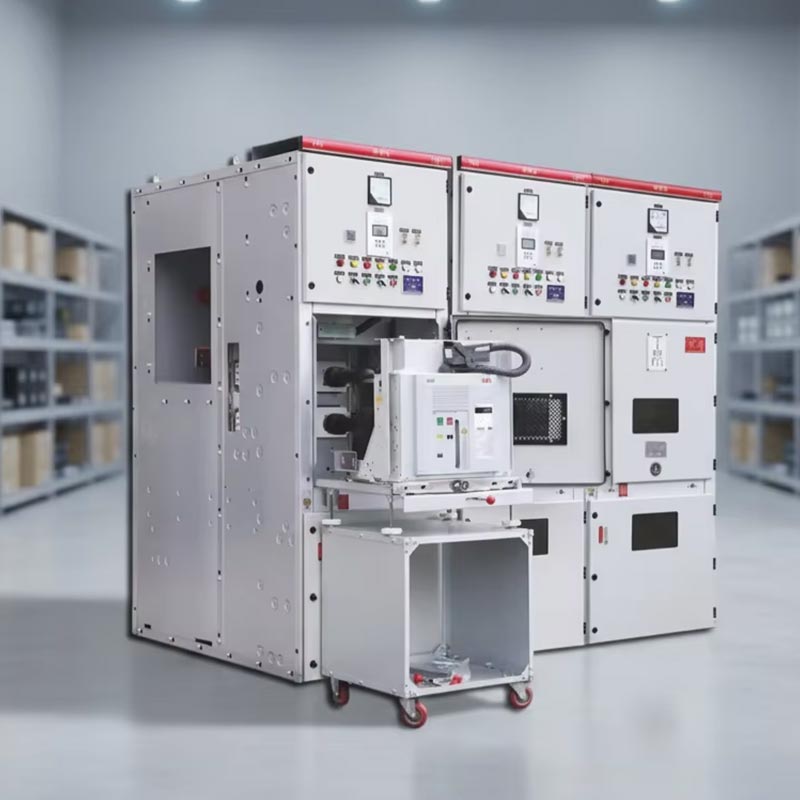
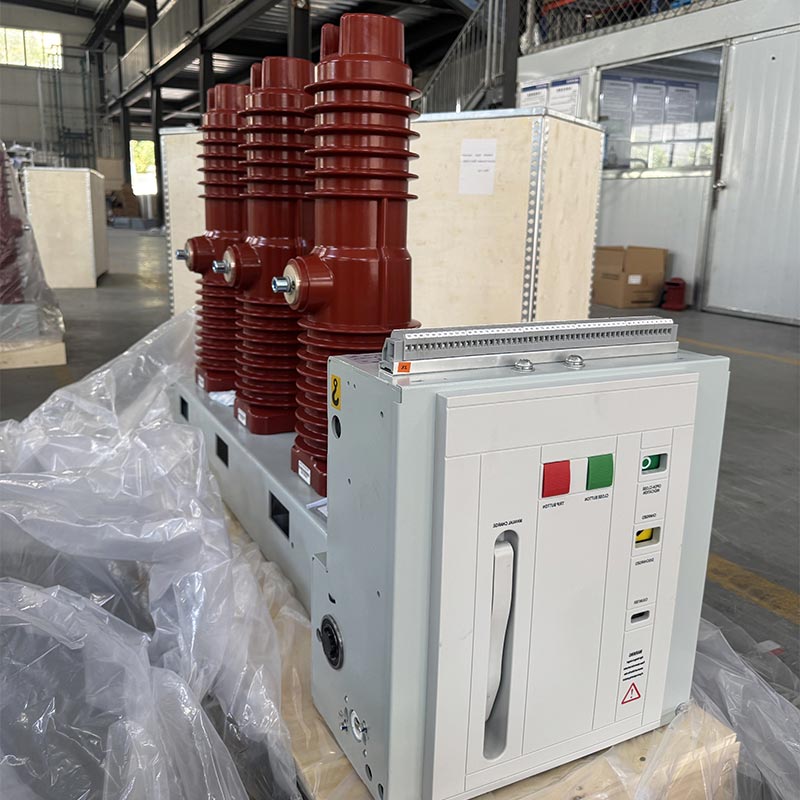
Medium voltage distribution systems require circuit breakers that can interrupt fault currents, control electrical equipment, and integrate correctly with the internal structure of switchgear. However, not every switchgear cabinet has the same internal space or breaker installation arrangement. When cabinet layout, available depth, and component positioning need to be considered together, a Side Mounted Indoor Vacuum Circuit Breaker can provide a suitable configuration for specific indoor power distribution applications.

The side-mounted arrangement places the breaker laterally within the switchgear rather than using a conventional front-mounted structure. This can help equipment manufacturers and panel builders optimize the internal layout of medium voltage cabinets. Usune provides medium voltage electrical equipment for distribution, industrial, infrastructure, and other power applications.

Why Is the Mounting Position Important?

Making Better Use of Cabinet Space

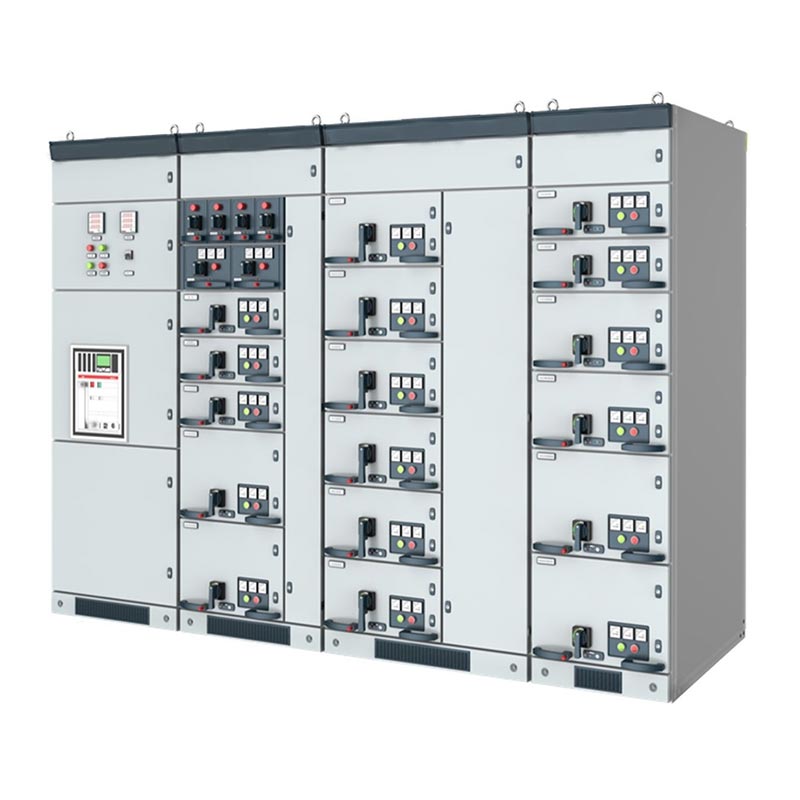
The internal arrangement of medium voltage switchgear must accommodate circuit breakers, busbars, cable connections, protection devices, control components, and insulation distances. The mounting position of the circuit breaker therefore affects the overall cabinet layout.

A side-mounted configuration can provide an alternative arrangement when conventional front mounting does not match the available internal space. This can be particularly useful when engineers are developing compact indoor switchgear or adapting equipment to an existing cabinet structure.

Matching Existing Switchgear Designs

Replacement and retrofit projects often need to work within the dimensions of an existing electrical cabinet. Changing the complete switchgear structure may not be practical when the existing installation remains suitable for continued operation.

A side-mounted vacuum circuit breaker can be considered when its electrical ratings, mechanical dimensions, connection structure, and operating mechanism are compatible with the existing switchgear design.

How Does a Vacuum Circuit Breaker Protect a Medium Voltage System?

Interrupting Fault Current

A vacuum circuit breaker uses a vacuum interrupter as the arc-extinguishing medium. When the breaker opens under a fault condition, the current is interrupted within the vacuum interrupter.

The breaker must be selected according to the actual system voltage, rated current, short-circuit level, insulation requirements, and switching duty. These electrical parameters should be matched before the equipment is integrated into a power distribution system.

Controlling Electrical Equipment

Vacuum circuit breakers are not limited to fault protection. They can also be used to control feeders and electrical equipment during normal operation, depending on the system design and switching requirements.

Typical medium voltage applications can include feeder circuits, transformers, motors, generators, and other electrical equipment requiring controlled switching and protection.

Supporting Frequent Switching Applications

Some industrial electrical systems require more frequent switching than standard distribution feeders. In these cases, the mechanical and electrical endurance of the selected circuit breaker should be evaluated against the actual operating cycle.

The correct breaker should therefore be selected according to the expected number of operations, load characteristics, fault level, and control requirements rather than rated voltage alone.

Where Can a Side Mounted Indoor Vacuum Circuit Breaker Be Used?

Industrial Distribution Systems

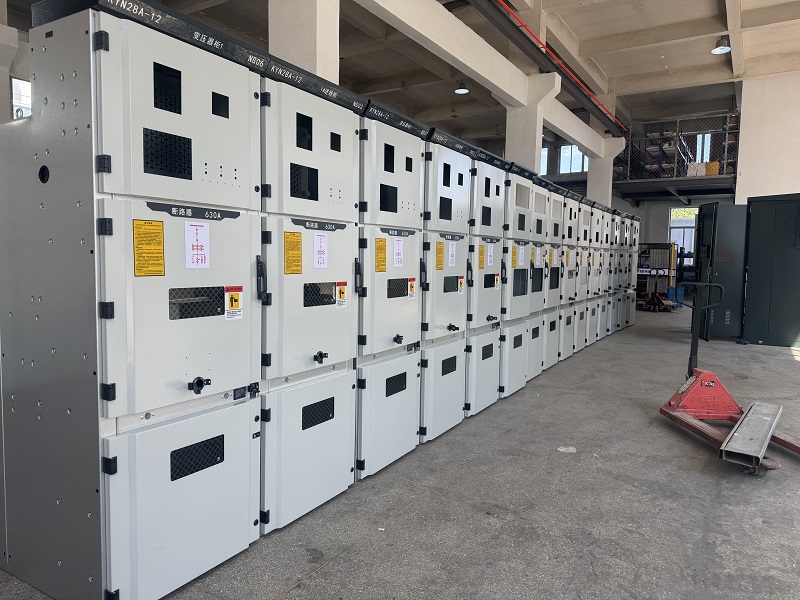
Factories and industrial facilities often use medium voltage systems to supply transformers, motors, production equipment, and distribution feeders. A side-mounted breaker can be integrated into indoor switchgear where the cabinet layout requires a lateral installation arrangement.

For industrial projects, buyers should evaluate the electrical load, short-circuit level, switching frequency, environmental conditions, and maintenance requirements before selecting the breaker.

Transformer Substations

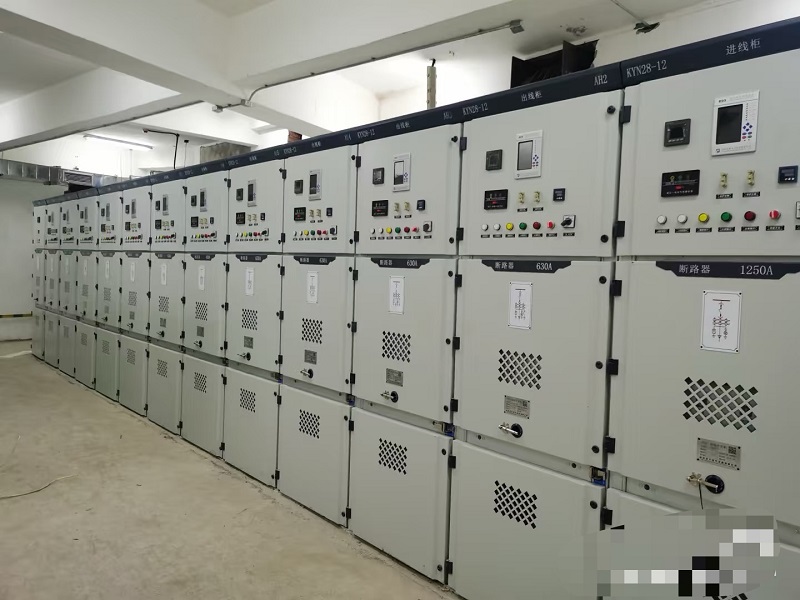
Indoor transformer substations use medium voltage switchgear to control and protect transformer feeders. A vacuum circuit breaker can serve as a switching and protection device between the incoming or outgoing feeder and the transformer system.

The side-mounted configuration can be considered when the switchgear manufacturer requires a specific internal arrangement to accommodate the transformer connection and other components.

Commercial Buildings

Large commercial buildings may use medium voltage distribution systems for electrical loads such as HVAC equipment, elevators, pumps, lighting systems, and other building services.

Where electrical rooms have limited space, the switchgear layout becomes an important consideration. A compact side-mounted breaker arrangement may help engineers develop a suitable cabinet configuration while maintaining the required electrical clearances.

Infrastructure and Utility Projects

Medium voltage switchgear is also used in infrastructure projects, distribution substations, transportation facilities, and other power supply systems. The breaker configuration should be selected according to the project voltage level, network structure, protection scheme, and switchgear design.

What Are the Main Advantages of Side Mounting?

Alternative Internal Arrangement

The primary value of side mounting is the flexibility it provides to the switchgear layout. Instead of forcing the breaker into a conventional position, engineers can arrange the circuit breaker according to the available cabinet structure.

Potential Space Optimization

For compact indoor switchgear, every component occupies a defined area. A lateral breaker arrangement can help optimize available space when the overall cabinet design is developed specifically for this configuration.

Actual space savings depend on the complete switchgear structure, insulation distances, busbar arrangement, cable compartment, and operating mechanism.

Suitable for Fixed Installation Designs

Side-mounted breakers can be used in switchgear designs where a fixed installation is preferred. This can be appropriate for applications that do not require frequent removal of the breaker for routine operation.

What Electrical Parameters Should Buyers Check?

Parameter Why It Matters
Rated Voltage Must match the nominal voltage and insulation requirements of the power system
Rated Current Should correspond to the continuous load current of the circuit
Short-Circuit Breaking Current Must be sufficient for the prospective fault level at the installation point
Rated Frequency Must match the electrical system frequency
Insulation Level Should meet the required power-frequency and impulse withstand levels
Operating Mechanism Should meet the required closing, opening, and control conditions
Mechanical Endurance Should correspond to the expected switching frequency
Electrical Endurance Should be evaluated according to the actual load and switching duty
Control Voltage Must match the control and protection system
Installation Structure Must correspond to the switchgear cabinet and mounting arrangement

What Should Be Checked Before Switchgear Integration?

Mounting Dimensions

The mounting dimensions of the circuit breaker should be compared with the cabinet structure before installation. Important dimensions can include the overall height, width, depth, mounting holes, connection position, and operating mechanism location.

Primary Circuit Connections

The primary connection points must align correctly with the switchgear busbar and cable arrangement. Incorrect alignment can create installation difficulties and may affect electrical clearances.

Secondary Control Connections

The secondary circuit provides control, monitoring, protection, and status signals depending on the switchgear design. Buyers should confirm terminal arrangements, control voltage, auxiliary contacts, trip circuits, and other required interfaces before ordering.

Interlocking Requirements

Switchgear interlocks help prevent incorrect operating sequences. The breaker and cabinet should be evaluated together to ensure that mechanical and electrical interlocking functions are compatible with the intended operating procedure.

How Should the Breaker Be Maintained?

Inspect the Operating Mechanism

The operating mechanism should be inspected according to the manufacturer's maintenance instructions. Abnormal noise, slow operation, incomplete closing, or inconsistent opening should be investigated before continued service.

Check Primary Connections

Primary electrical connections should be inspected for signs of overheating, looseness, contamination, or other abnormal conditions. Maintenance must be performed under the appropriate isolation and safety procedures.

Inspect Insulation Components

Insulating components should be checked for cracks, contamination, damage, or other conditions that could affect insulation performance. The actual inspection interval should be determined according to the equipment design and operating environment.

Check Auxiliary Circuits

Control circuits, auxiliary contacts, trip coils, closing coils, and other secondary components should be tested according to the maintenance plan. Reliable secondary circuit operation is important for correct breaker control and protection functions.

What Installation Conditions Should Be Considered?

Indoor Environment

The breaker is intended for indoor switchgear applications. The electrical room should provide appropriate environmental conditions, including suitable temperature, humidity, ventilation, cleanliness, and protection from excessive dust or corrosive substances.

Clearance Around the Equipment

Adequate clearance should be maintained around live electrical components and operating mechanisms according to the applicable design requirements. The side-mounted structure should not be installed in a cabinet where surrounding components interfere with operation or maintenance.

Grounding

The switchgear and associated metallic components should be properly grounded according to the electrical system design and applicable safety requirements. Grounding connections should be inspected before energization.

How Can Buyers Select the Right Side-Mounted VCB?

Start With System Requirements

The selection process should begin with the electrical system rather than the physical product. Rated voltage, continuous current, short-circuit level, frequency, insulation level, and switching duty should be established first.

Then Confirm Cabinet Compatibility

After determining the electrical requirements, buyers should compare the breaker dimensions and connection structure with the intended switchgear cabinet. A breaker that meets the electrical rating but does not match the cabinet structure may still require significant engineering changes.

Consider the Maintenance Strategy

The required maintenance access should also be considered. Fixed side-mounted designs can be suitable for applications where the breaker does not need to be frequently removed, while other projects may require a withdrawable configuration.

How Can Usune Support Medium Voltage Projects?

Switchgear-Oriented Selection

Usune provides medium voltage electrical equipment for applications where circuit protection and switchgear integration are important. For a side-mounted vacuum circuit breaker project, buyers can provide the system voltage, rated current, short-circuit level, cabinet dimensions, connection requirements, and control voltage for product evaluation.

Industrial and Distribution Applications

The Side Mounted Indoor Vacuum Circuit Breaker can be considered for industrial distribution, transformer substations, commercial facilities, infrastructure projects, and other indoor medium voltage applications where the side-mounted configuration matches the switchgear design.

Support for OEM and Panel Builders

Panel builders and electrical equipment manufacturers need to consider the circuit breaker and switchgear as an integrated system. Mounting dimensions, primary connections, secondary wiring, operating mechanism, interlocking, and protection functions should therefore be confirmed before production.

Related News
Leave me a message
X
We use cookies to offer you a better browsing experience, analyze site traffic and personalize content. By using this site, you agree to our use of cookies. Privacy Policy
RejectAccept