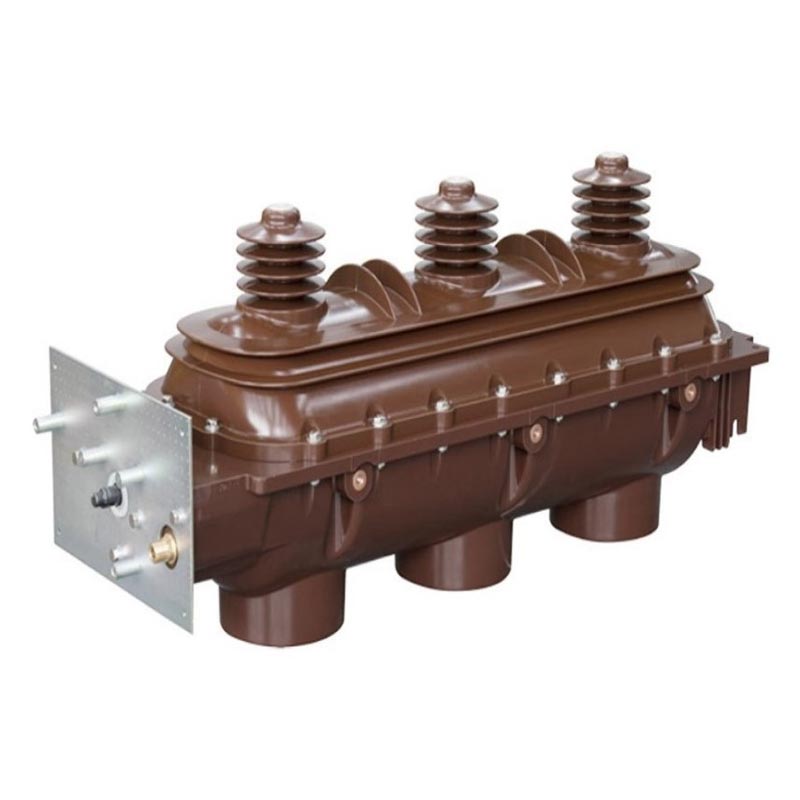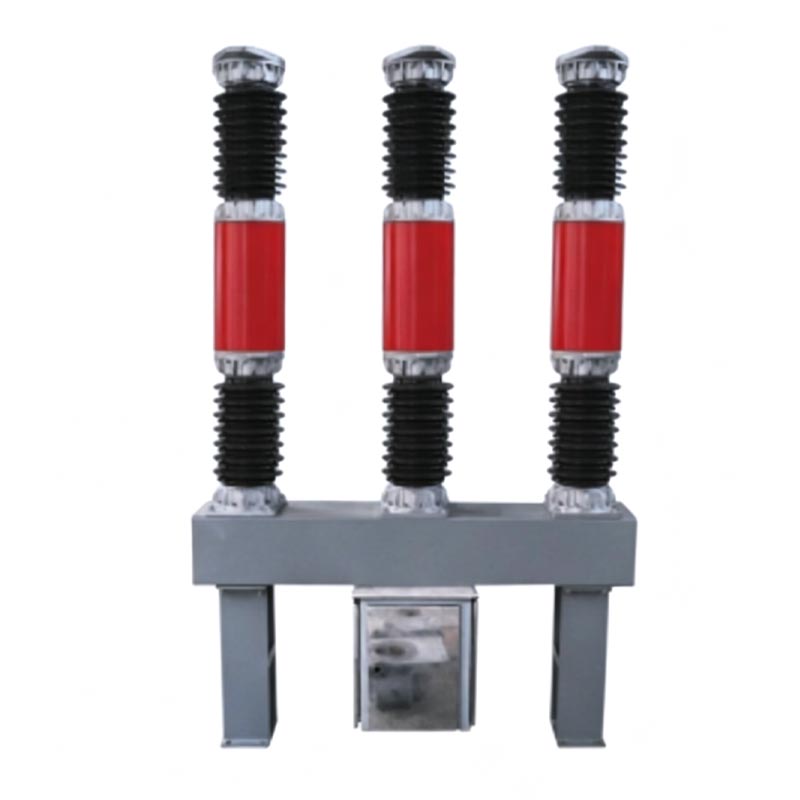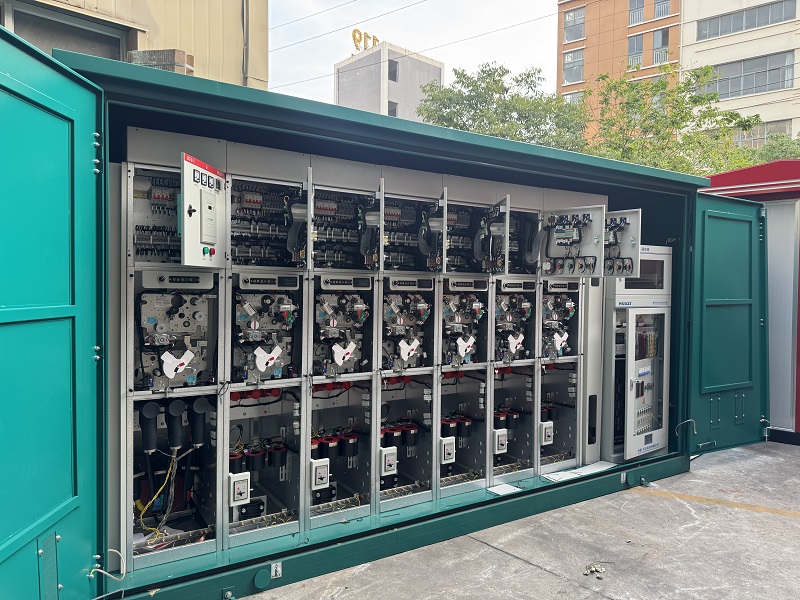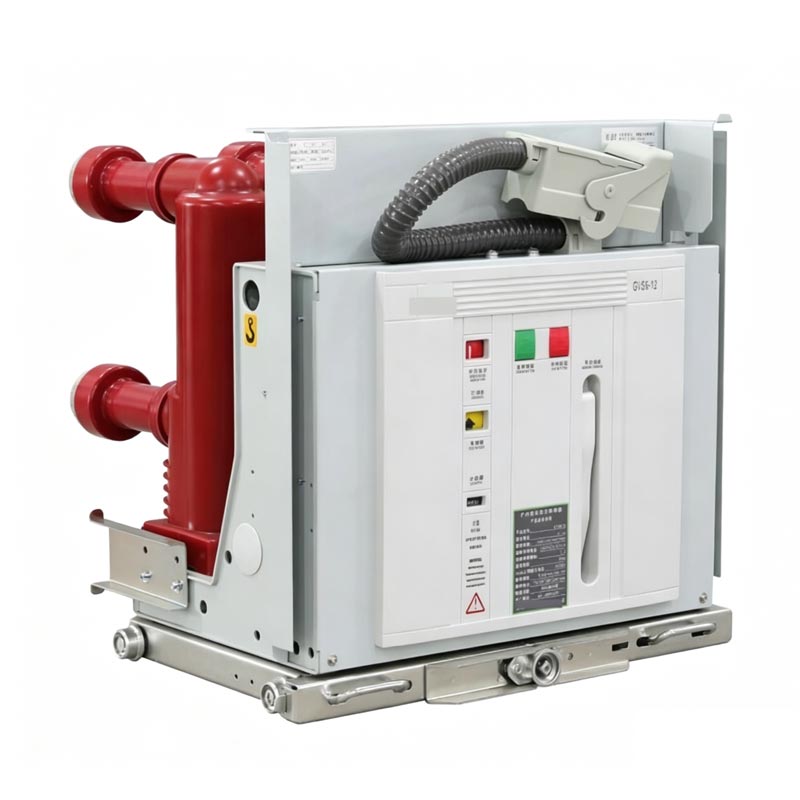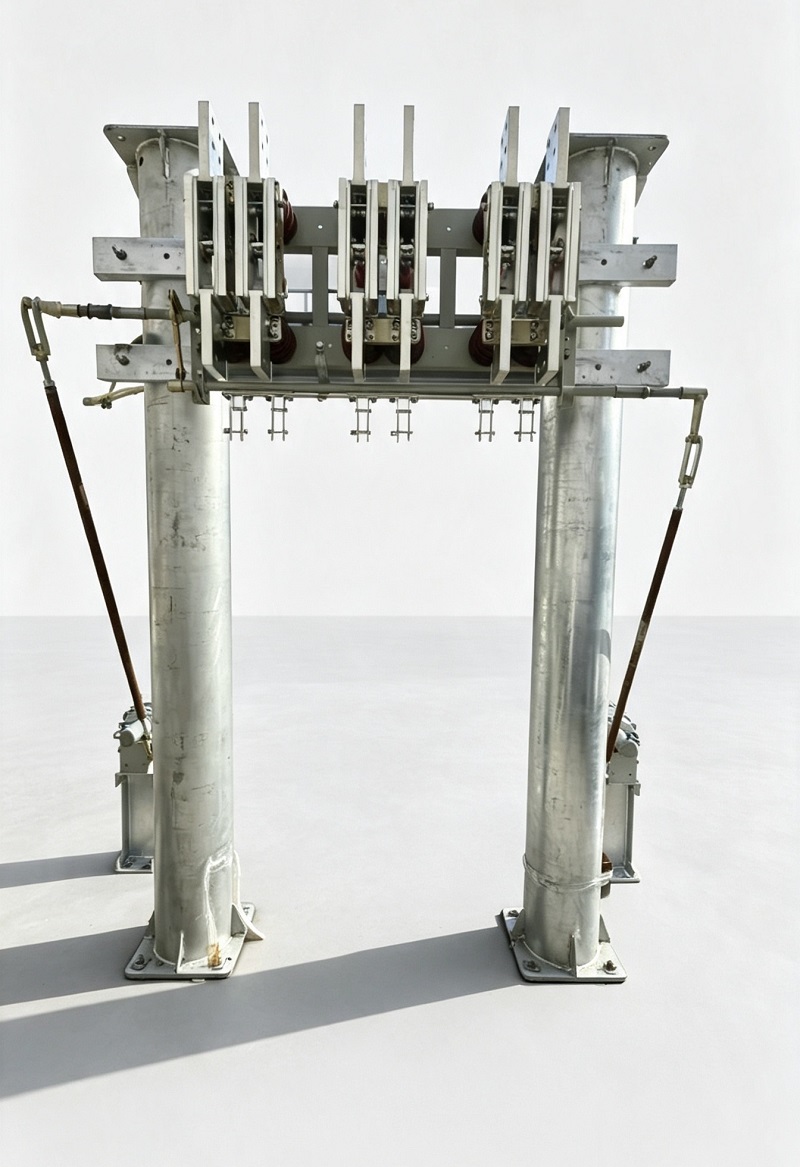

Outdoor voltage transformers are essential components in electrical systems where voltage measurement, monitoring, protection, and control must be performed safely and accurately in outdoor environments. By converting high system voltage into a lower, measurable secondary voltage, they provide electrical equipment with usable signals while helping separate measurement and protection circuits from the primary power system.
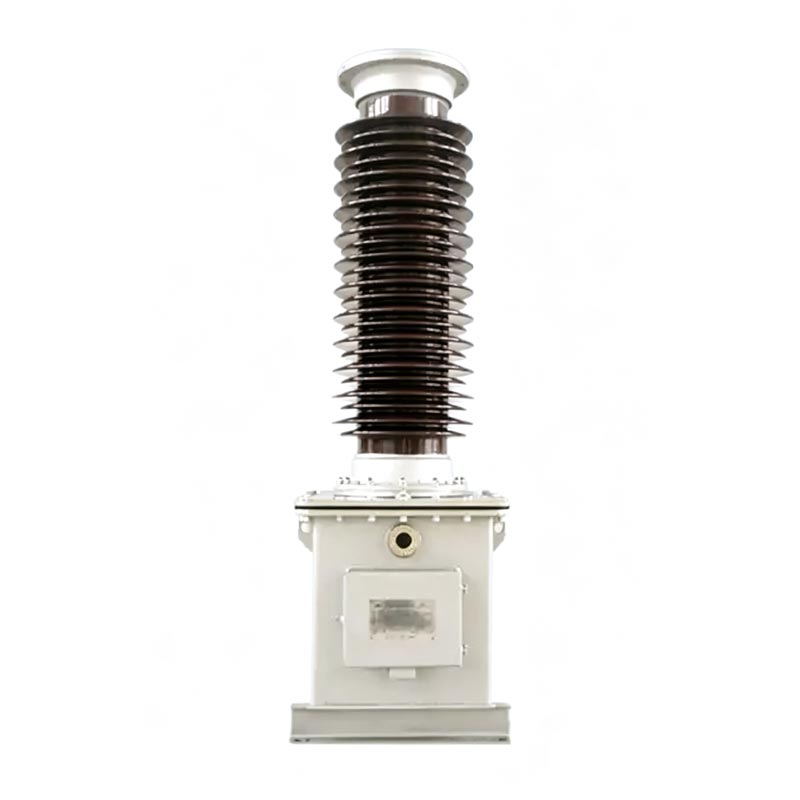
An outdoor voltage transformer is designed to provide a controlled secondary voltage signal for measuring, monitoring, metering, protection, and control applications in outdoor power systems. Unlike equipment installed inside a protected switchgear room, outdoor units must also cope with rain, humidity, temperature changes, pollution, sunlight, wind, and other environmental conditions. This guide explains how outdoor voltage transformers work, where they are used, which specifications matter during purchasing, common installation concerns, and how buyers can evaluate a suitable solution for substations, distribution networks, industrial facilities, and renewable-energy installations.
Article Outline
Choosing an outdoor voltage transformer involves more than matching a voltage number on a datasheet. The equipment must work correctly with the electrical system, connected measuring or protection devices, installation environment, insulation requirements, and operating conditions.
- Understand the basic purpose and operating principle of an outdoor voltage transformer.
- Identify the electrical applications that require voltage transformation and measurement.
- Evaluate primary voltage, secondary voltage, frequency, accuracy, insulation, and burden requirements.
- Consider environmental factors such as temperature, humidity, pollution, altitude, and exposure to weather.
- Review installation, grounding, wiring, testing, and maintenance requirements before purchasing.
- Work with a manufacturer capable of providing appropriate technical documentation and product support.
What Is an Outdoor Voltage Transformer?
An outdoor voltage transformer, often abbreviated as VT, is an instrument transformer designed to reproduce a high primary system voltage at a lower secondary voltage suitable for electrical measurement, monitoring, protection, or control equipment.
High-voltage power systems cannot normally connect sensitive meters, relays, monitoring devices, or control equipment directly to the primary circuit. A voltage transformer creates an electrically appropriate measurement interface between the power system and these secondary devices.
In practical applications, the transformer may be installed in substations, outdoor switchyards, distribution systems, industrial power facilities, renewable-energy plants, and other locations where electrical equipment is exposed to the surrounding environment.
What Does a Voltage Transformer Do?
Its primary role is to provide a scaled voltage signal that can be used by downstream equipment. Depending on the system design, the secondary output may support functions such as voltage indication, energy metering, relay protection, synchronization, automation, and power-quality monitoring.
| Function | Purpose | Typical Equipment Connected |
|---|---|---|
| Measurement | Provides a usable voltage signal for electrical measurement. | Voltmeters, meters, monitoring devices |
| Protection | Supplies voltage information to protection systems. | Protective relays and control systems |
| Metering | Supports electrical energy and system monitoring. | Revenue or operational metering equipment |
| Control | Provides electrical signals for automation and control functions. | Control panels and automation systems |
How Does an Outdoor Voltage Transformer Work?
A conventional electromagnetic voltage transformer operates according to the principle of electromagnetic induction. The primary winding is connected to the higher-voltage circuit, while the secondary winding produces a proportionally lower voltage that can be connected to suitable instruments or protection devices.
The relationship between primary and secondary voltage is determined by the transformer's turns ratio. In a simplified example, if the primary-to-secondary turns ratio is 100:1, a primary voltage of 10,000 V would correspond to approximately 100 V on the secondary side under ideal conditions.
Real transformers have electrical losses and accuracy characteristics that must be considered. Therefore, selecting a transformer is not simply a matter of calculating a ratio. The intended application determines which accuracy characteristics, rated burden, insulation level, frequency, and other parameters are needed.
Why Is Accuracy Important?
If the secondary voltage does not accurately represent the primary system voltage, measurement results can deviate from the actual system condition. In protection applications, inappropriate characteristics can also affect how connected protection equipment responds to electrical events.
For this reason, buyers should determine the required accuracy class and secondary burden from the actual application instead of selecting a model based only on physical dimensions or price.
Where Are Outdoor Voltage Transformers Used?
Outdoor voltage transformers are used wherever a power system requires a dependable voltage signal while the transformer itself is installed outside a building or protected electrical room.
Electrical Substations
Outdoor substations use voltage transformers for measurement, protection, control, and monitoring within high-voltage and medium-voltage power networks.
Distribution Networks
Distribution operators can use voltage transformers to obtain voltage information from outdoor electrical equipment and feed that information to meters, relays, and monitoring systems.
Industrial Facilities
Factories, processing facilities, and large industrial sites may require voltage measurement and protection at outdoor incoming lines, substations, or dedicated electrical installations.
Renewable-Energy Projects
Solar and wind power installations may include outdoor electrical equipment where voltage monitoring, protection, and grid-interface functions are required.
The correct configuration depends on the electrical architecture of each project. A transformer designed for one voltage level or application should not automatically be treated as suitable for another system.
Why Is Outdoor Design Important?
Outdoor electrical equipment is exposed to conditions that are normally controlled in an indoor installation. A suitable outdoor voltage transformer therefore needs an insulation and mechanical design that corresponds to its operating environment.
Weather Exposure
Rain, condensation, snow, ice, and humidity can affect external insulation and electrical connections. The design should therefore account for moisture exposure and the actual installation environment.
Temperature Changes
Outdoor equipment may experience significant temperature variation between day and night or between seasonal conditions. Materials, seals, insulation systems, and electrical components should be selected for the specified operating temperature range.
Pollution and Contamination
Dust, salt, industrial pollution, and other contaminants can accumulate on exposed insulating surfaces. In polluted locations, insulation performance and surface creepage become particularly important.
Mechanical Conditions
Outdoor equipment can be affected by wind, vibration, transportation, installation loads, and other mechanical factors. Mounting arrangements should therefore be considered as part of the complete system, rather than treated as an afterthought.
Which Specifications Should Buyers Check?
A detailed technical specification is one of the most effective ways to prevent an unsuitable transformer from being selected. The following parameters should be reviewed before placing an order.
| Specification | Why It Matters | Buyer Question |
|---|---|---|
| Rated primary voltage | Defines the voltage level the transformer is designed to measure. | Does it match the system voltage and required insulation level? |
| Secondary voltage | Determines compatibility with connected measuring or protection equipment. | Is the output suitable for the existing secondary circuit? |
| Frequency | Affects transformer operation and application compatibility. | Is the unit designed for the system frequency? |
| Accuracy class | Determines how closely the secondary output represents the intended value. | What accuracy is required for measurement or protection? |
| Rated burden | Defines the load the secondary circuit can support within specified performance. | Does the connected secondary load fall within the required range? |
| Insulation requirements | Supports safe operation at the intended system voltage and environment. | Are insulation and external clearance requirements appropriate? |
| Environmental conditions | Influences material, insulation, sealing, and mechanical design. | Can the unit operate reliably at the actual installation site? |
Do Not Select by Voltage Alone
One of the most common purchasing mistakes is to provide only the primary voltage and ask for a quotation. Although voltage is fundamental, it does not describe the complete application.
A supplier may also need information about the secondary voltage, frequency, accuracy requirements, burden, installation arrangement, insulation conditions, environmental temperature, altitude, pollution level, grounding arrangement, and relevant project requirements.
How Should Environmental Conditions Be Considered?
The installation environment should be included in the product specification from the beginning. Two electrical systems with the same rated voltage may require different mechanical or insulation arrangements if they are installed in very different environments.
- Coastal areas: Salt contamination can increase the demands placed on external insulation.
- Industrial areas: Dust and chemical contamination may affect exposed surfaces.
- Cold climates: Low-temperature performance and condensation should be considered.
- Hot climates: Thermal performance and material selection become important.
- High-altitude locations: Air insulation characteristics may need special consideration.
- High-humidity areas: Moisture management and sealing become particularly important.
What Should Be Considered During Installation?
Correct installation is essential for achieving the expected performance of an outdoor voltage transformer. Even a properly manufactured transformer can experience operational problems if the installation does not follow the applicable project and manufacturer requirements.
- Verify the technical specification. Confirm that the installed unit matches the approved model, rated voltage, secondary voltage, frequency, accuracy requirements, and project documentation.
- Check the mounting arrangement. Ensure the supporting structure is appropriate and that the transformer is securely positioned.
- Inspect external insulation and terminals. Check for transportation damage, contamination, cracks, loose components, or other visible issues before energization.
- Complete secondary wiring correctly. Verify terminal identification, polarity or phase relationships where applicable, grounding, protective arrangements, and connection integrity.
- Perform required testing. Carry out the inspections and electrical tests required by the project specification, applicable standards, and manufacturer instructions.
- Review the complete system. Confirm that the voltage transformer works correctly with connected meters, relays, monitoring devices, and control equipment.
What Problems Can Poor Selection Cause?
Selecting a voltage transformer without considering the complete application can create problems that appear only after installation. These issues can increase commissioning time and make troubleshooting more difficult.
Incorrect Secondary Output
A mismatch between the transformer ratio and connected equipment can result in unsuitable measurement signals.
Insufficient Accuracy
A transformer that does not meet the required accuracy characteristics may not provide the performance expected by the metering or protection system.
Environmental Stress
Inadequate consideration of moisture, pollution, temperature, or altitude can reduce reliability over the operating life of outdoor equipment.
Installation Delays
Missing technical drawings, unclear terminal information, or incompatible mounting arrangements can create unnecessary delays during project commissioning.
For large electrical projects, it is usually more efficient to resolve these issues during the engineering and specification stage rather than after the equipment reaches the installation site.
How Can Buyers Evaluate a Supplier?
For B2B electrical-equipment buyers, the supplier's ability to understand the application can be just as important as the product itself. A professional supplier should be able to discuss the technical requirements instead of simply quoting a generic model.
Look for Complete Technical Information
Product drawings, nameplate information, technical specifications, test documentation, installation instructions, and relevant certification information can help engineering teams evaluate whether the proposed equipment fits the project.
Check Manufacturing Capability
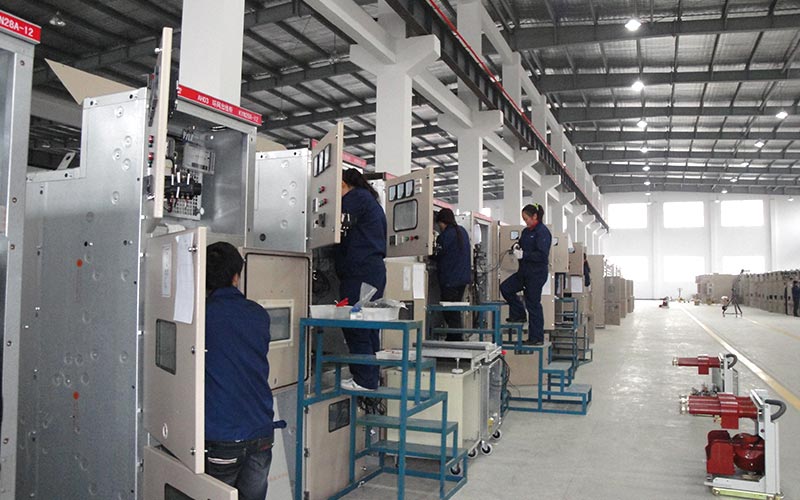
Buyers should understand whether the supplier has the manufacturing resources, quality-control procedures, testing capability, and technical team required for the product category.
Discuss Application Requirements Early
A good technical discussion should cover more than the requested product name. Provide the supplier with the electrical system information and operating conditions so the proposed configuration can be reviewed before production.
Consider Long-Term Support
For substations and industrial power projects, equipment may remain in service for many years. Documentation, spare-part availability, technical communication, troubleshooting support, and after-sales service can therefore influence the overall purchasing experience.
Outdoor Voltage Transformer Purchasing Checklist
Before requesting a quotation, prepare the following information. A complete specification can help reduce unnecessary clarification and improve the accuracy of the supplier's proposal.
| Category | Information to Prepare |
|---|---|
| Electrical system | System voltage, frequency, phase arrangement, grounding arrangement |
| Primary side | Rated primary voltage and applicable insulation requirements |
| Secondary side | Secondary voltage, number of secondary windings if applicable, connected equipment |
| Performance | Accuracy class, burden, measurement or protection purpose |
| Installation | Outdoor location, mounting method, available space, connection arrangement |
| Environment | Ambient temperature, altitude, humidity, pollution, coastal or industrial conditions |
| Project documentation | Drawings, specifications, applicable standards, testing and certification requirements |
| Quantity | Required quantity, delivery schedule, spare-unit requirements |
Frequently Asked Questions About Outdoor Voltage Transformers
What is the main purpose of an outdoor voltage transformer?
Its main purpose is to provide a lower, usable voltage signal derived from a higher-voltage electrical system for measurement, metering, protection, monitoring, or control applications.
What is the difference between an outdoor and indoor voltage transformer?
The primary difference is the intended installation environment. Outdoor equipment must account for weather exposure and other environmental conditions, while indoor equipment is normally installed in a more controlled environment. The complete insulation, mechanical, and environmental design should match the intended location.
Can an indoor voltage transformer be installed outdoors?
It should not be assumed to be suitable simply because the electrical ratio is correct. The equipment must be specifically rated or engineered for the environmental and insulation conditions of the proposed outdoor installation.
What information should I provide when requesting a quotation?
At minimum, provide the primary voltage, secondary voltage, frequency, application, accuracy requirements, installation environment, and relevant project standards. More detailed information about the connected secondary equipment and mounting arrangement can further improve product selection.
Why does accuracy class matter?
Accuracy determines how closely the transformer's secondary signal represents the intended electrical quantity under specified conditions. The appropriate accuracy requirement depends on whether the transformer is being used for measurement, metering, protection, or another application.
Does the installation environment affect transformer selection?
Yes. Temperature, humidity, pollution, altitude, coastal exposure, and other site conditions can influence insulation, materials, mechanical design, and long-term reliability.
Are outdoor voltage transformers used in substations?
Yes. They can be used in outdoor substations and switchyards to provide voltage signals for measurement, protection, monitoring, metering, and control systems, subject to the requirements of the specific installation.
How can I choose the right outdoor voltage transformer?
Start with the complete electrical and environmental specification rather than selecting by voltage alone. Confirm the primary and secondary ratings, frequency, accuracy, burden, insulation requirements, installation conditions, applicable standards, and compatibility with the connected equipment.
Final Considerations for Outdoor Voltage Transformer Selection
An outdoor voltage transformer plays an important role in connecting high-voltage power systems with measurement, protection, metering, and control equipment. Its value is not limited to reducing voltage. The transformer must provide an appropriate and dependable secondary signal while remaining suitable for the electrical and environmental conditions of the installation.
For buyers, the most effective approach is to define the complete application before choosing a product. Primary voltage, secondary voltage, frequency, accuracy, burden, insulation, environmental conditions, installation arrangement, testing requirements, and project standards should all be reviewed together.
Working with an experienced manufacturer can also make the specification process easier. Instead of selecting a standard model based only on a catalog description, project engineers can communicate their actual operating conditions and obtain a configuration that is aligned with the intended application.
For organizations evaluating outdoor voltage transformer solutions for substations, distribution networks, industrial facilities, renewable-energy projects, or other power applications, Zhejiang Usune Electric Co., Ltd. can be considered as a supplier for further technical discussion.
Need an Outdoor Voltage Transformer for Your Project?
Every power system has different voltage levels, installation conditions, measurement requirements, and project specifications. Share your technical requirements with Zhejiang Usune Electric Co., Ltd. to discuss a suitable outdoor voltage transformer solution for your application.
For product specifications, technical consultation, customization requirements, or project support, contact us and provide your system voltage, secondary requirements, application, installation environment, and expected quantity.