Products

Products

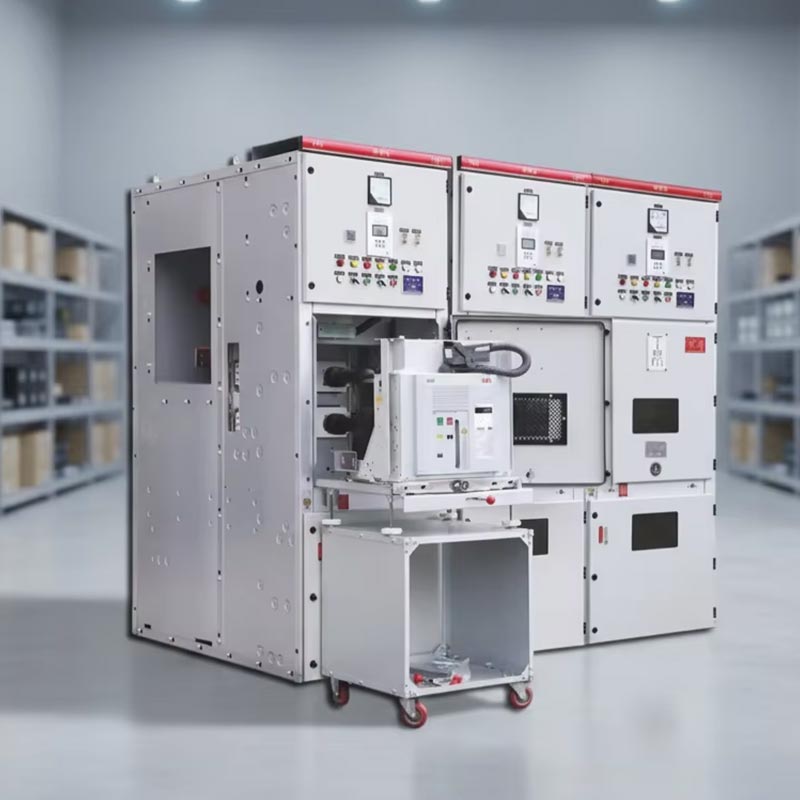
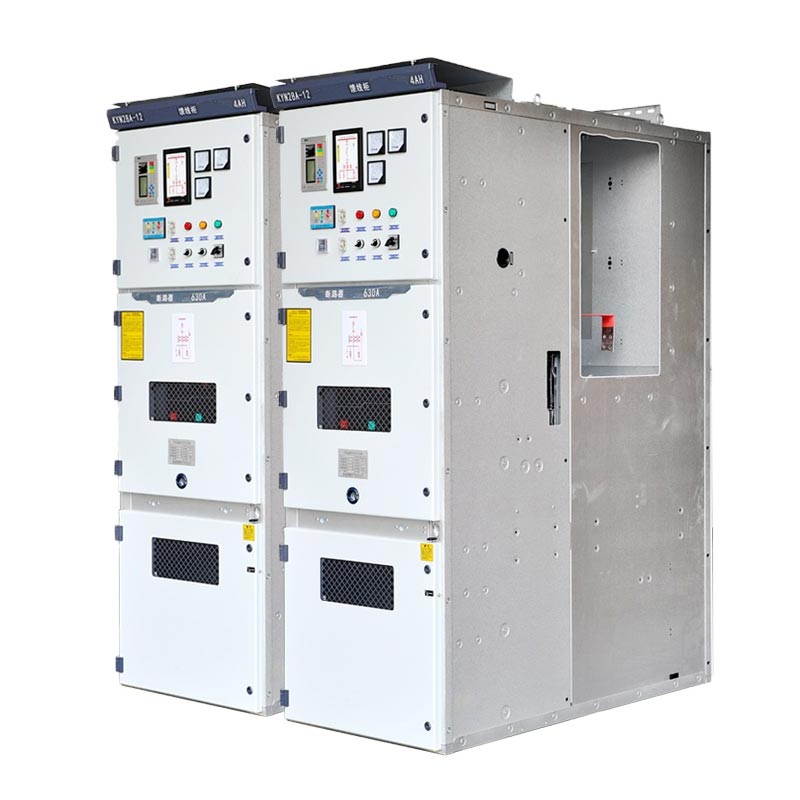
Medium Voltage Drawer Type Panel
  • Medium Voltage Drawer Type PanelMedium Voltage Drawer Type Panel
  • Medium Voltage Drawer Type PanelMedium Voltage Drawer Type Panel
  • Medium Voltage Drawer Type PanelMedium Voltage Drawer Type Panel

Medium Voltage Drawer Type Panel

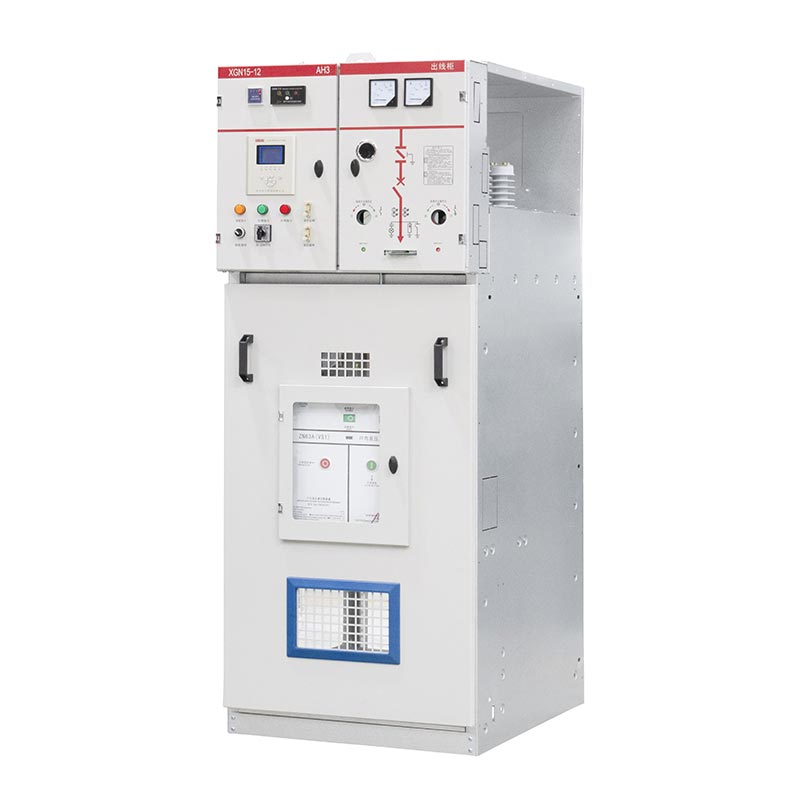
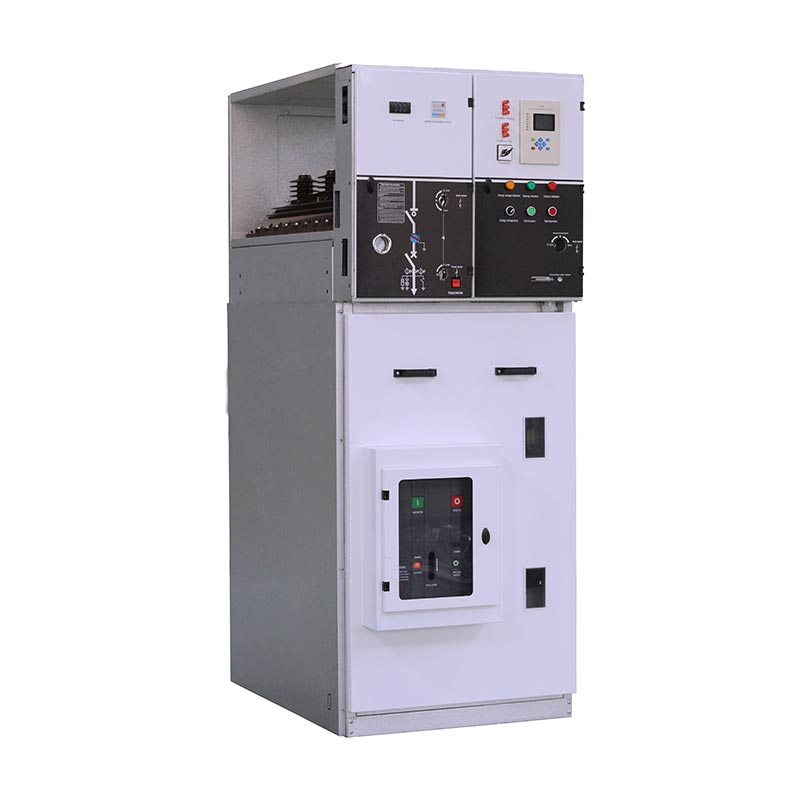
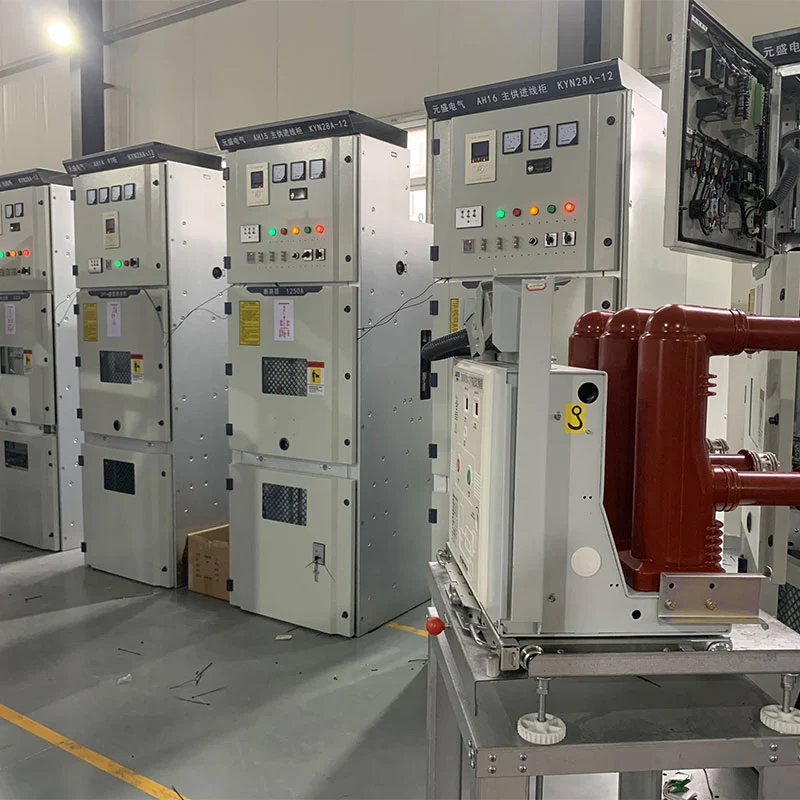
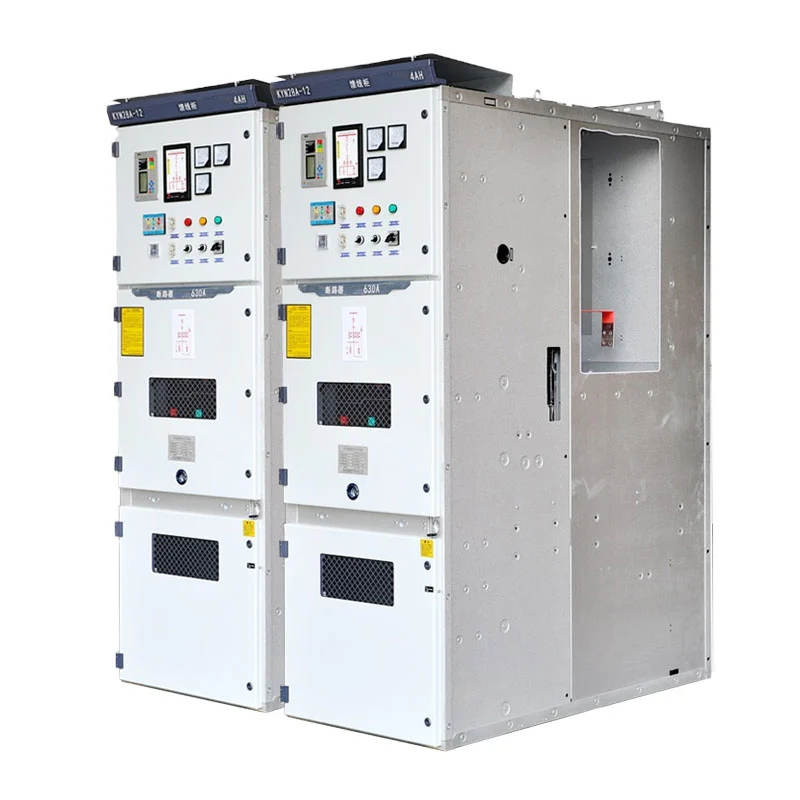
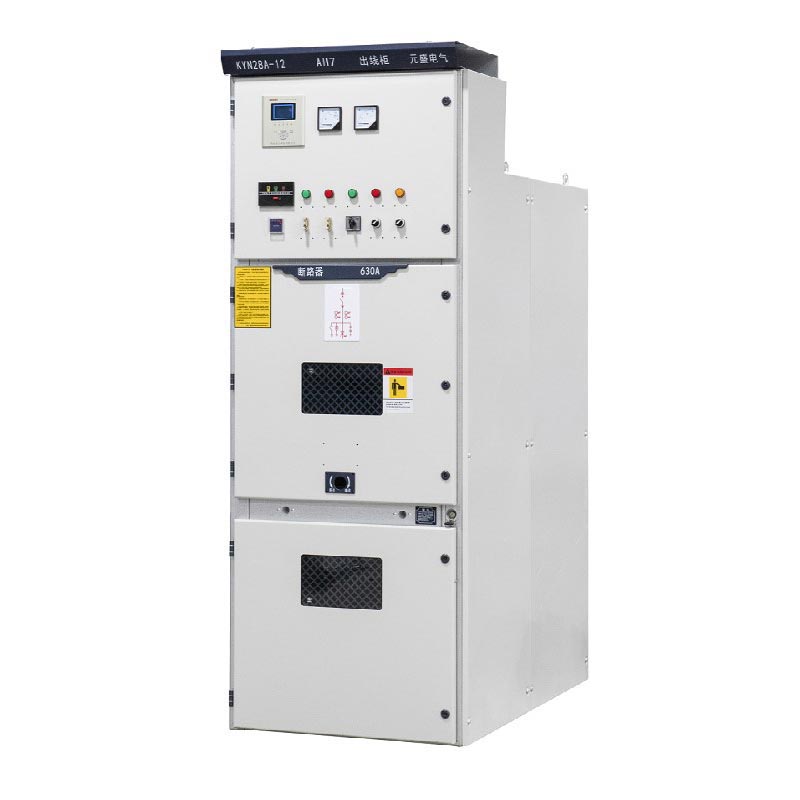
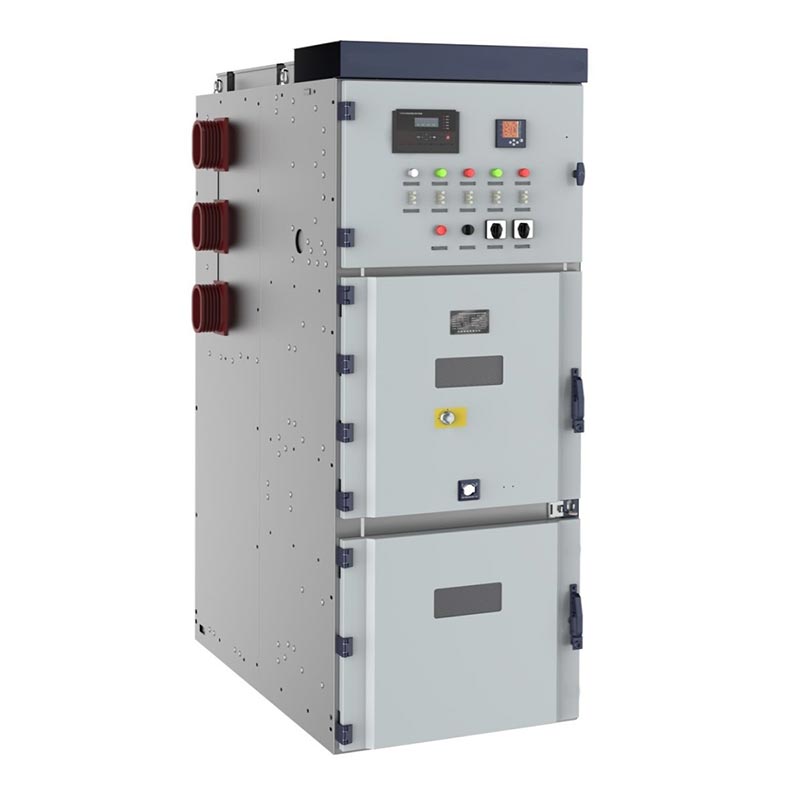
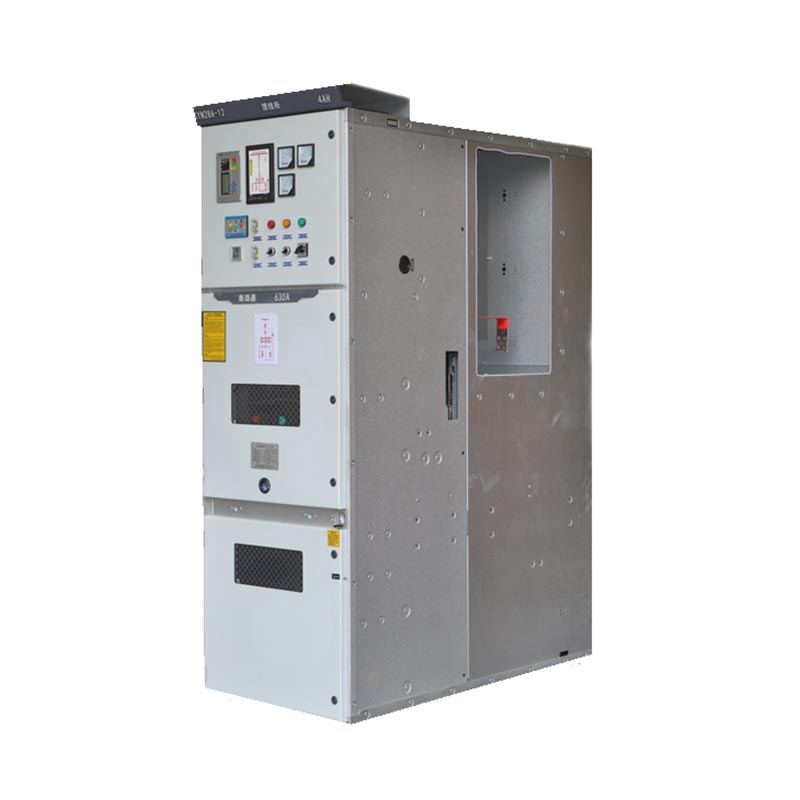
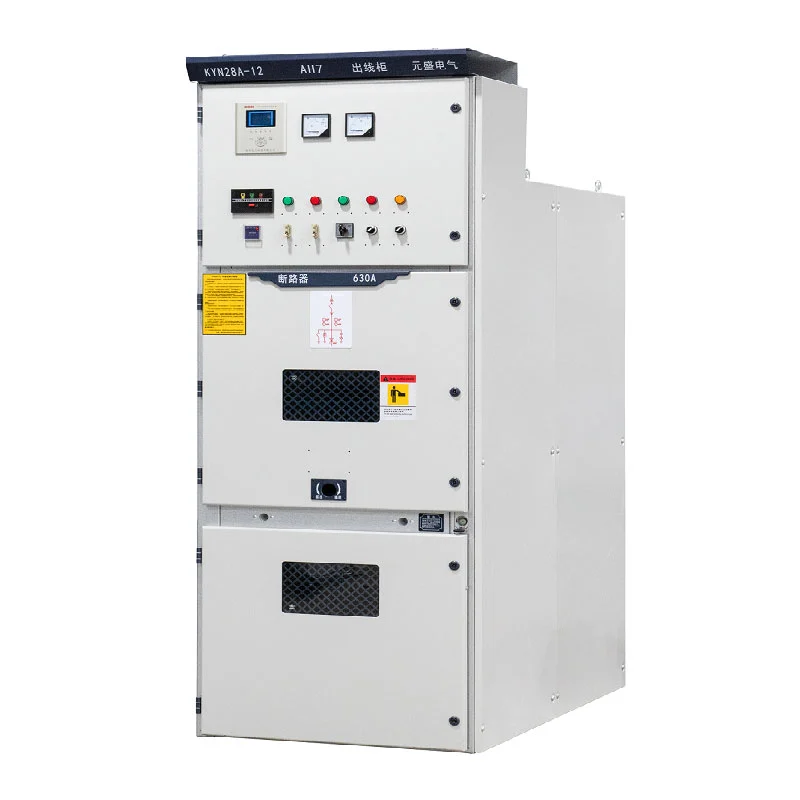
Usune's KYN28 Medium Voltage Drawer Type Panel is an indoor metal-clad withdrawable switchgear designed for medium-voltage power distribution. Its modular structure allows different functional units and cabinet types to be arranged according to the electrical system, making it suitable for projects where multiple power circuits need to be organized within one coordinated distribution system.

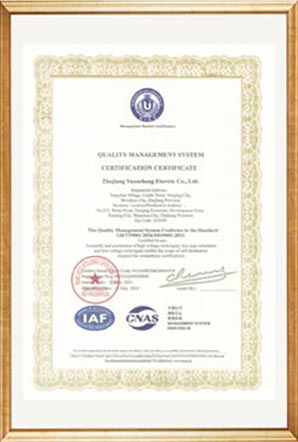
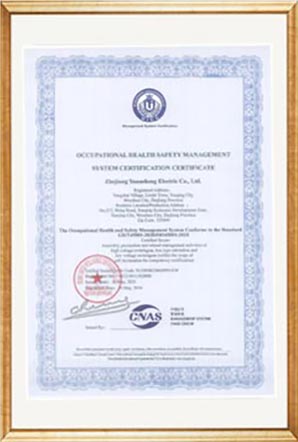
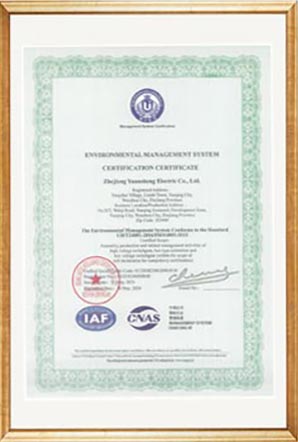
The Medium Voltage Drawer Type Panel supports power receiving, feeder distribution, voltage measurement, metering, bus sectioning, and isolation functions. Usune provides the equipment with an engineering-oriented configuration approach and operates under ISO 9001, ISO 14001, and ISO 45001 management systems, with products designed according to applicable IEC and GB standards and CE certification available for relevant markets.

Medium Voltage Drawer Type PanelMedium Voltage Drawer Type Panel

Modular Distribution Architecture

Large electrical projects often contain multiple independent power circuits rather than a single distribution line. Incoming power, transformer feeders, motor circuits, metering circuits, and auxiliary loads may all require different electrical functions.

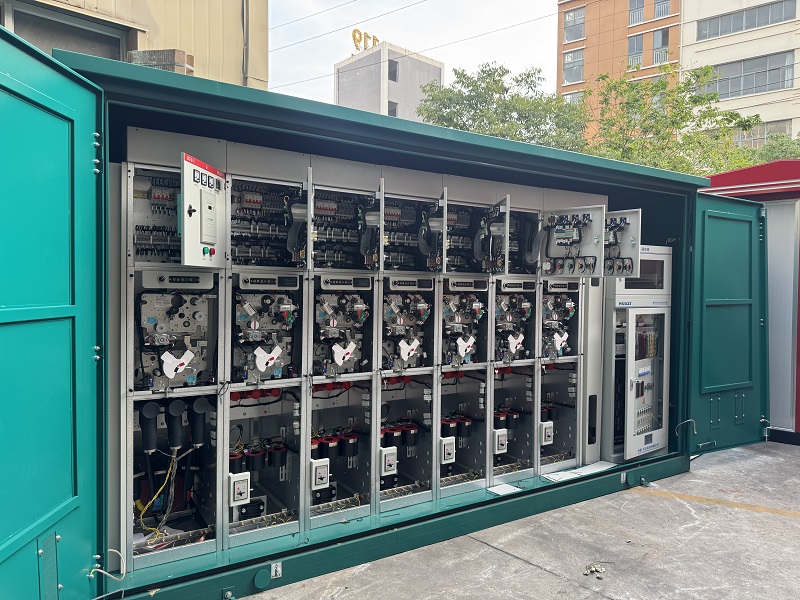
The KYN28 Medium Voltage Drawer Type Panel allows these functions to be arranged as separate cabinets within one coordinated lineup. This makes it possible to build a distribution system around the project's single-line diagram instead of using a uniform cabinet configuration for every circuit.

For procurement teams, this modular architecture can simplify equipment specification because cabinet functions can be defined according to the actual electrical network. It also allows the overall lineup to be planned according to the number of feeders, current requirements, protection arrangements, and future distribution needs.

Circuit-Based Configuration

The configuration of a medium-voltage distribution system depends heavily on the function of each circuit. An incoming circuit receives electrical power from an upstream source, while outgoing circuits distribute power to transformers, motors, production equipment, or other loads.

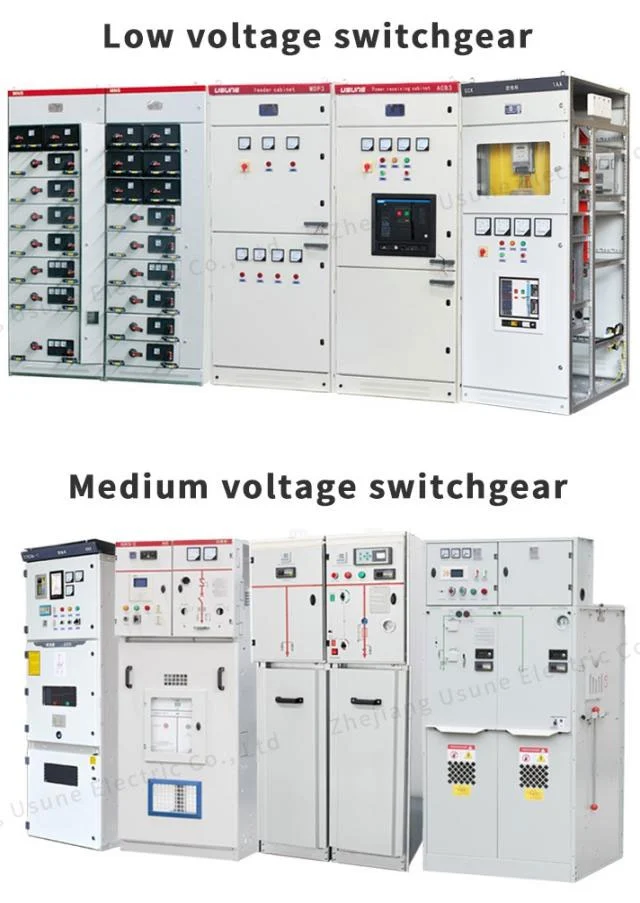
Usune can configure the KYN28 series with incoming cabinets, outgoing cabinets, PT and voltage measurement cabinets, metering cabinets, bus sectionalizer cabinets, and isolation cabinets. Each cabinet type can be integrated into the overall switchgear lineup according to the project's electrical architecture.

This circuit-based approach is particularly useful for EPC projects where the switchgear specification must correspond closely with the approved electrical drawings.

Easier System Expansion

Electrical distribution requirements can change as factories expand, production lines are added, or infrastructure capacity increases. A switchgear lineup that is planned only for the initial electrical load may become difficult to modify when additional feeders are required.

The modular arrangement of the KYN28 series provides greater flexibility for organizing different circuits within a medium-voltage distribution system. During project planning, customers can reserve suitable positions or define additional functional cabinets according to expected future requirements.

This approach allows the switchgear system to be considered as part of the project's longer-term electrical architecture rather than only as an individual piece of equipment.

Optimized Electrical Room Layout

The physical arrangement of medium-voltage equipment is an important consideration for electrical room design. Equipment needs to provide sufficient operating access while fitting within the available installation area.

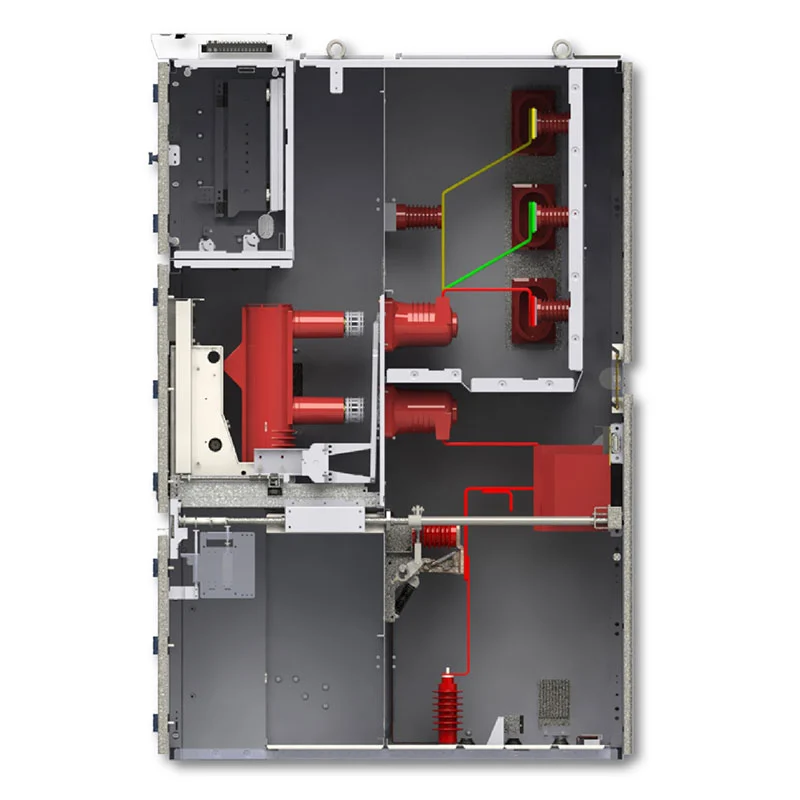
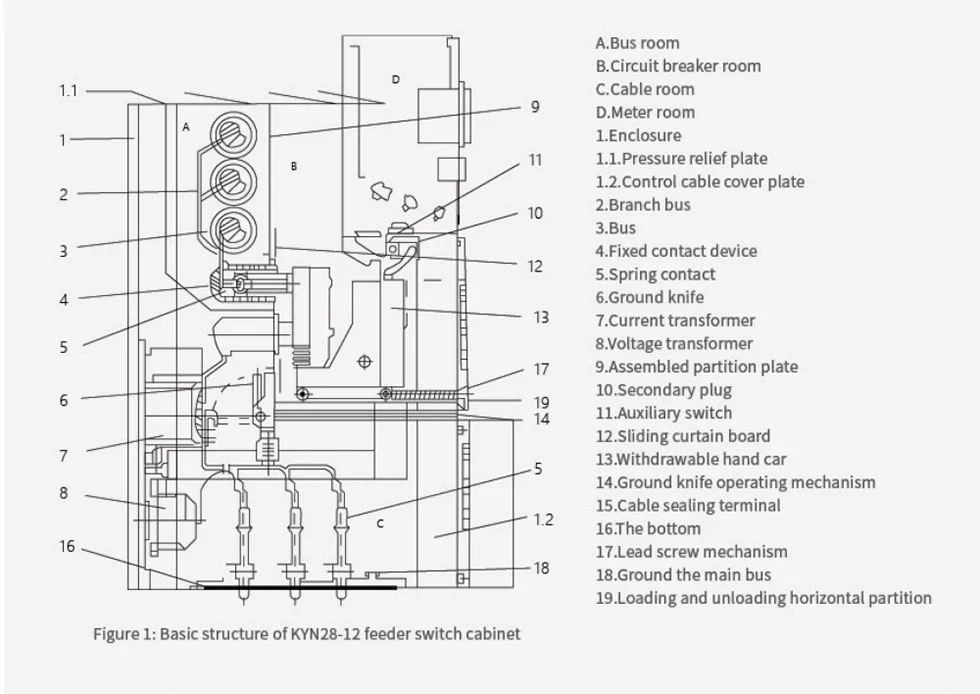
The KYN28 Medium Voltage Drawer Type Panel uses a metal-enclosed structure with front-side operation and maintenance. The breaker, busbar, cable, and control sections are arranged as independent compartments, creating a clearly organized cabinet structure.

For electrical room designers, this configuration helps establish a more predictable equipment layout and allows the switchgear lineup to be planned around the available room dimensions and cable connection requirements.

Circuit Isolation and Maintenance

In a distribution system containing multiple feeders, maintenance requirements can vary between individual circuits. A fault or planned inspection on one circuit should be managed according to the electrical operating procedure without unnecessarily disturbing unrelated sections.

The withdrawable functional unit allows the relevant equipment to be moved to an isolated position for inspection, testing, or replacement. The mechanical interlocking system controls the operating sequence and helps prevent incorrect switching actions.

This makes the equipment suitable for distribution systems where individual circuit management is an important part of daily electrical operation.

Main Cabinet Types

Incoming Cabinet

The incoming cabinet is used to receive electrical power from the upstream power source and connect it to the medium-voltage busbar system. Its configuration can be determined according to the incoming circuit's rated current, protection requirements, measurement requirements, and overall distribution architecture.

Outgoing Cabinet

Outgoing cabinets distribute medium-voltage power to downstream transformers, motors, feeders, or other electrical loads. The number and specification of outgoing cabinets can be planned according to the project's load distribution and feeder arrangement.

PT Cabinet

The PT cabinet is used for voltage measurement and related electrical monitoring functions. It can be integrated into the switchgear lineup where the project requires voltage transformation and measurement within the medium-voltage distribution system.

Metering Cabinet

The metering cabinet can accommodate electrical energy measurement equipment for applications requiring dedicated power metering. Its configuration can be coordinated with the project's measurement and utility requirements.

Bus Section Cabinet

The bus sectionalizer cabinet is used to divide or connect sections of the medium-voltage busbar according to the system design. This arrangement can provide greater flexibility when designing distribution networks with multiple power sources or bus sections.

Isolation Cabinet

The isolation cabinet provides a dedicated configuration for electrical isolation requirements. Its arrangement should be determined according to the project's switching sequence, grounding scheme, and electrical safety procedures.

Application Areas

Manufacturing Plants

Manufacturing facilities often contain production lines, motors, transformers, compressors, pumps, and auxiliary systems with different power requirements. A modular switchgear lineup can organize these circuits according to the factory's electrical distribution structure.

Substation Projects

Substations may require multiple incoming, outgoing, measurement, and bus section circuits. The modular cabinet arrangement allows engineers to develop a complete switchgear lineup based on the substation's single-line diagram.

Mining Projects

Mining operations typically involve multiple electrical loads distributed across different areas of the site. The equipment can be configured to support feeder distribution and power management for motors, pumps, ventilation systems, and processing equipment.

Commercial Buildings

Large commercial and high-rise buildings require organized medium-voltage power reception and distribution. Different cabinet functions can be combined according to the building's transformer, feeder, metering, and electrical room requirements.

Infrastructure Facilities

Infrastructure projects such as transportation facilities and specialized industrial installations may contain multiple electrical loads with different operating requirements. The modular configuration provides flexibility for integrating these circuits into one coordinated medium-voltage distribution system.

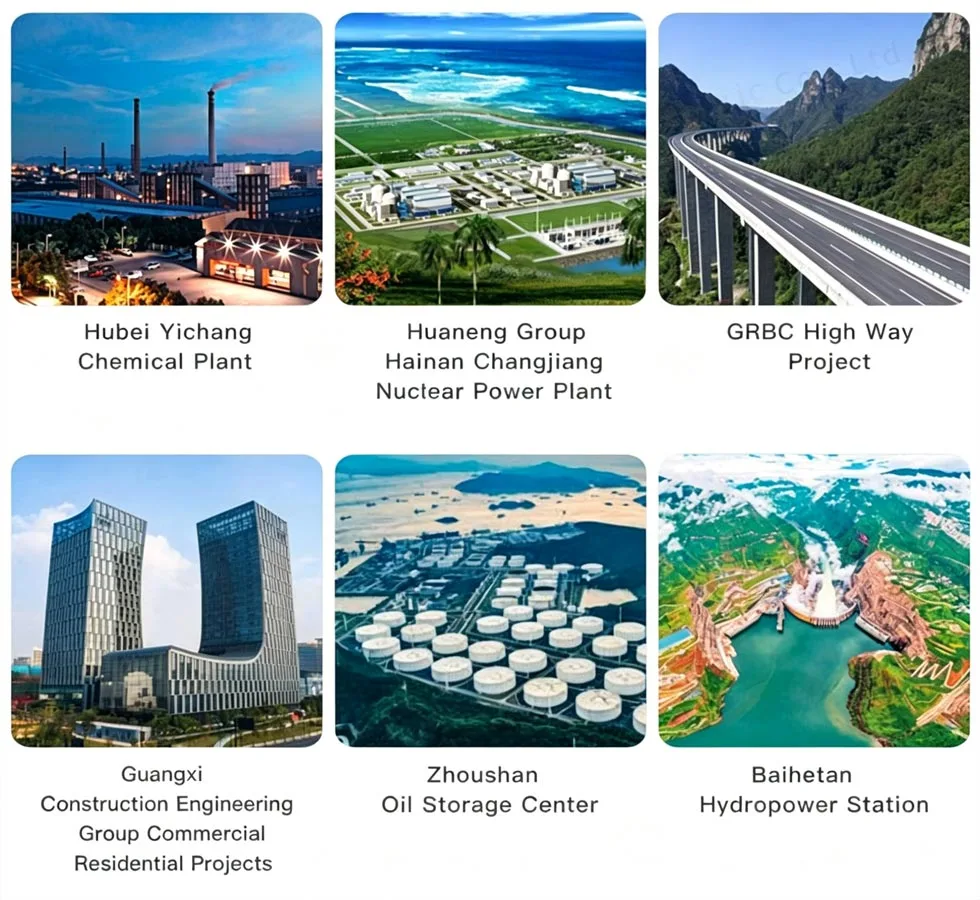
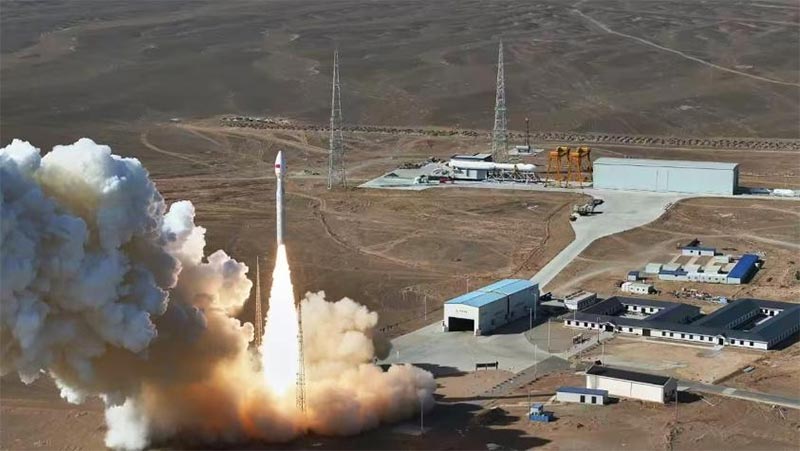
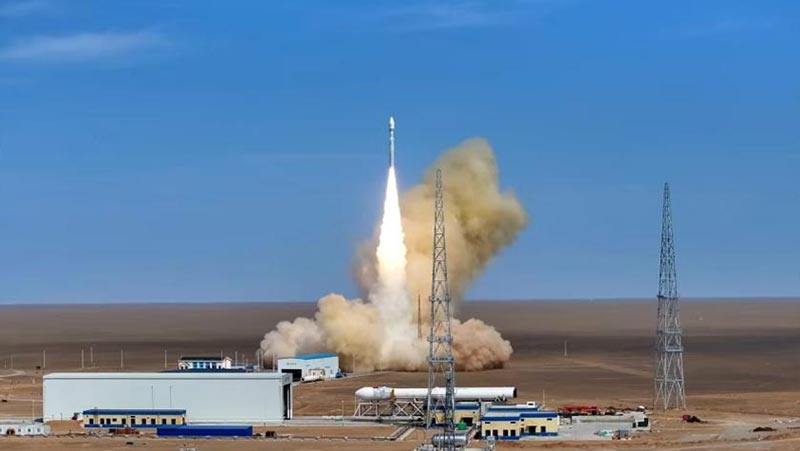
Cas-space Rocket Launch ProjectCas-space Rocket Launch Project

Technical Specifications

Item Specification
Rated Voltage 3.6kV, 7.2kV, 12kV
Rated Frequency 50Hz / 60Hz
Rated Current 630A, 1250A, 1600A, 2000A, 2500A, 3150A
Rated Short-Circuit Breaking Current 25kA, 31.5kA, 40kA, 50kA
Rated Short-Time Withstand Current 25kA/3s, 31.5kA/3s, 40kA/3s, 50kA/3s
Protection Degree IP4X external enclosure, IP2X internal compartments
Ambient Temperature -15°C to +40°C
Altitude ≤1000m, derated for higher altitudes
Installation Indoor

The final rated voltage, current, short-circuit capacity, cabinet combination, and functional unit arrangement should be confirmed according to the project electrical diagram and technical specification.

Operating Conditions

The equipment is intended for indoor installation with an ambient temperature between -15°C and +40°C. Daily average relative humidity should not exceed 95%, while monthly average relative humidity should not exceed 90%.

The installation environment should be free from explosive or corrosive gases, conductive dust, and severe vibration. If the equipment is required to operate outside these standard conditions, the environmental requirements should be confirmed with Usune before technical design and production.

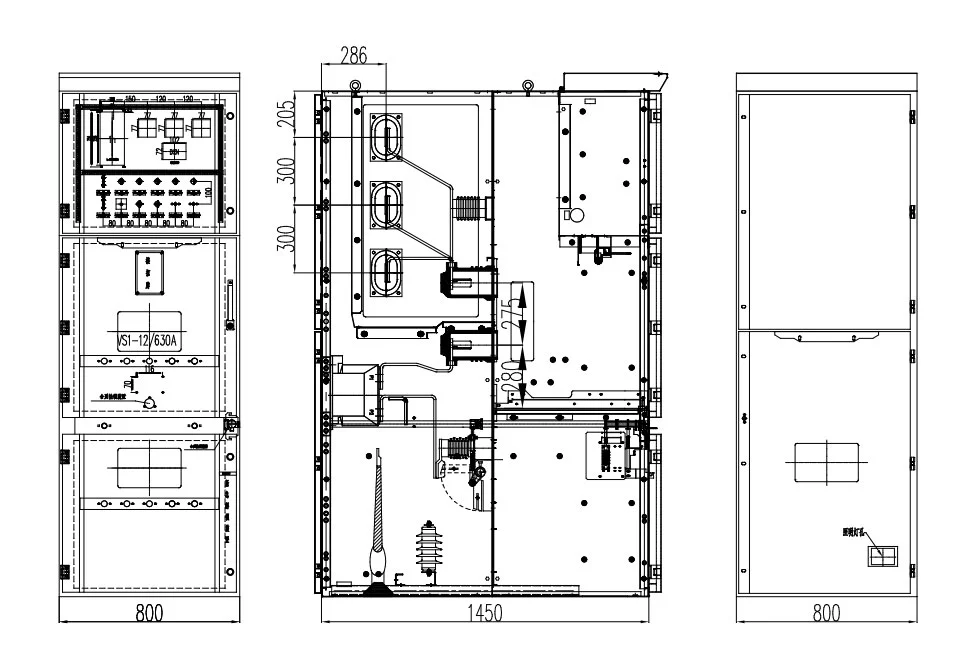
Product External Dimension

Medium Voltage Drawer Type PanelMedium Voltage Drawer Type Panel

Cas-space Rocket Launch Project

The equipment has been referenced for the Cas-space Rocket Launch Project, a specialized infrastructure project requiring an organized medium-voltage electrical distribution system.

For aerospace infrastructure, the electrical network may contain multiple types of loads serving different facilities and supporting systems. Rather than relying on one uniform cabinet arrangement, the distribution system needs to accommodate incoming power, feeder circuits, measurement functions, and other electrical requirements within a coordinated configuration.

The modular structure of the KYN28 series allows different functional cabinets to be arranged according to the project's electrical distribution scheme. This provides engineers with greater flexibility when coordinating the switchgear lineup with the facility's power network and electrical room layout.

The project reference demonstrates how Usune's modular medium-voltage distribution equipment can be integrated into specialized infrastructure where organized circuit configuration and project-specific electrical planning are important.

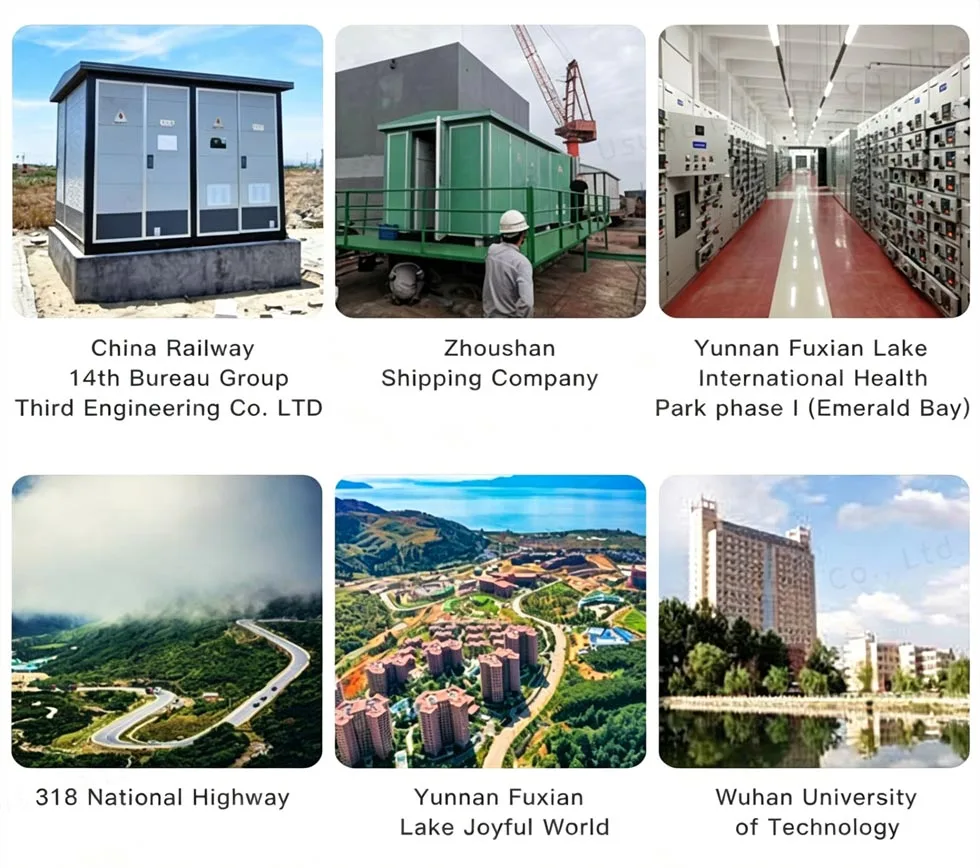
Project ReferenceProject Reference

Standards and Certifications

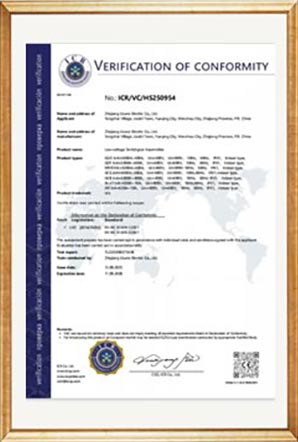
The KYN28 series is designed according to applicable IEC and GB standards for medium-voltage metal-enclosed switchgear and electrical distribution equipment.

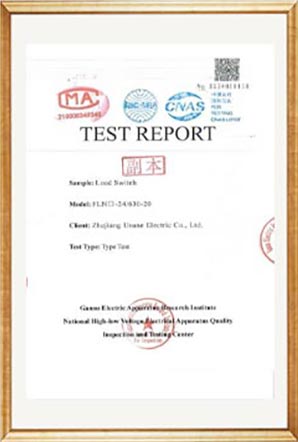
Usune operates under ISO 9001 Quality Management System, ISO 14001 Environmental Management System, and ISO 45001 Occupational Health and Safety Management System. CE certification is also available for applicable international market requirements.

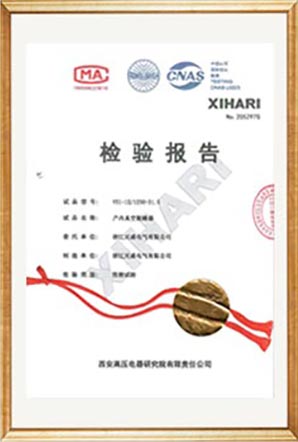
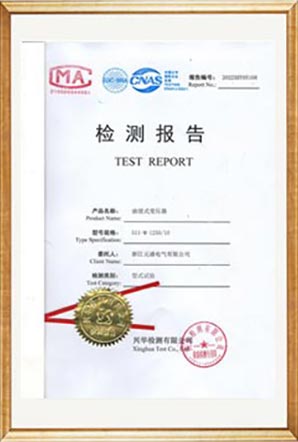
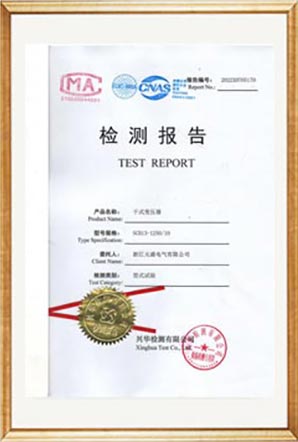
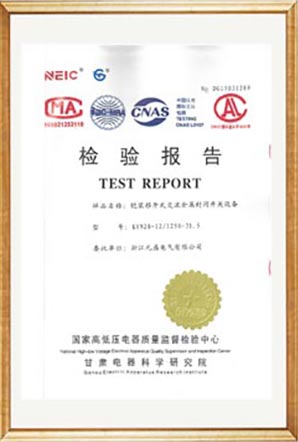
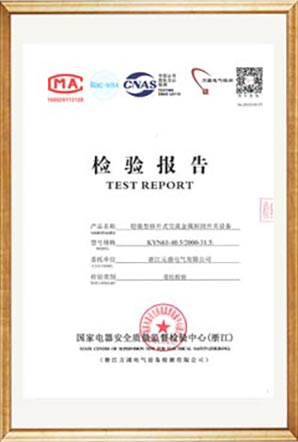
Product test reports, technical specifications, and relevant quality documentation can be provided according to customer and project requirements.

Test ReportTest ReportTest ReportTest ReportTest ReportTest ReportTest ReportTest ReportTest ReportTest ReportTest ReportTest ReportTest ReportTest ReportTest Report

Why Usune?

Project-Oriented Design

Usune supports switchgear configuration according to customer electrical diagrams rather than limiting projects to one standard cabinet arrangement. This approach is suitable for EPC contractors, electrical distributors, system integrators, and industrial users with different circuit requirements.

Experienced R&D Team

Usune has more than 14 years of experience in the electrical equipment field and maintains an experienced R&D team capable of supporting project-specific design and technical configuration.

Quality Control

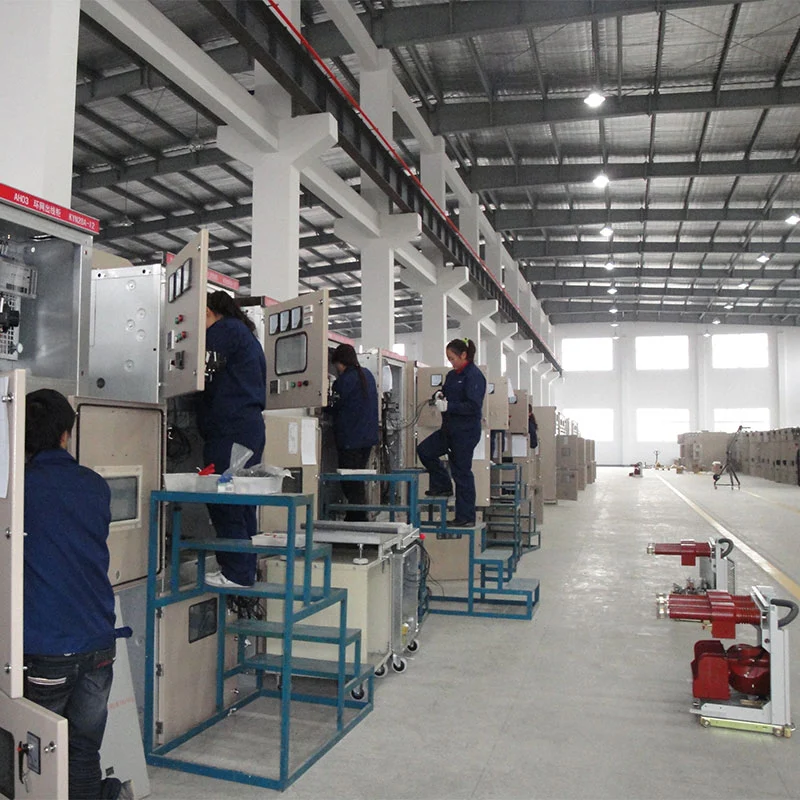
Quality inspection is implemented throughout the manufacturing process, covering components, assembly, electrical testing, and finished equipment. Routine tests are completed before shipment to verify product performance.

Production Support

For standard configurations, the typical production period is approximately 15–20 days after technical confirmation and payment. The actual lead time depends on the product configuration, order quantity, and project requirements.

Technical Documentation

Usune provides product test reports and technical documentation to support customer inspection, supplier qualification, project approval, and commissioning procedures.

FAQ

What is a drawer-type medium-voltage panel?

A drawer-type medium-voltage panel is an indoor metal-enclosed switchgear system using withdrawable functional units for medium-voltage power receiving, distribution, measurement, control, and protection. Its modular configuration allows different cabinet functions to be combined according to the electrical system.

What voltage levels are available?

The KYN28 series supports 3.6kV, 7.2kV, and 12kV applications. The exact rated voltage and insulation requirements should be confirmed according to the customer's electrical system.

Can different cabinet types be combined?

Yes. Incoming, outgoing, PT, metering, bus sectionalizer, and isolation cabinets can be combined into one switchgear lineup according to the project's single-line diagram and distribution requirements.

Is the system suitable for factory power distribution?

Yes. The modular arrangement is suitable for factories with multiple feeders, motors, transformers, and production loads that require organized medium-voltage power distribution.

Can the equipment support future expansion?

The modular cabinet concept allows project engineers to plan different functional units according to current and anticipated distribution requirements. Future expansion should be considered during the initial electrical room and switchgear lineup design.

Does Usune provide OEM service?

Yes. Usune supports OEM requirements including customer logos, company names, and project-specific configurations, subject to technical confirmation.

What is the normal production time?

For standard configurations, the typical production period is approximately 15–20 days after technical confirmation and payment. The final schedule depends on order quantity and configuration.

What documents can be provided?

Usune can provide technical specifications, product test reports, quality documentation, and other project-related documents according to customer requirements.

What is the warranty period?

The standard warranty period is 12 months from the shipping date, subject to the agreed technical and commercial conditions.

Request a Project Quote

If you are sourcing Medium Voltage Drawer Type Panel for a manufacturing plant, substation, mining project, commercial building, infrastructure facility, or specialized electrical installation, Usune can provide a configuration based on your actual distribution requirements.

Send your single-line diagram, rated voltage, rated current, short-circuit level, number of incoming and outgoing circuits, cabinet functions, and installation conditions to Usune for technical evaluation and quotation.

Hot Tags: Medium Voltage Drawer Type Panel, China, Manufacturer, Supplier, Factory
Send Inquiry
Contact Info
If you have any inquiry about a quotation or cooperation, please feel free to email or use the following inquiry form. Our sales representative will contact you within 24 hours.
X
We use cookies to offer you a better browsing experience, analyze site traffic and personalize content. By using this site, you agree to our use of cookies.Privacy Policy
RejectAccept